
Certificate Templates
A certificate puts something worth marking into a form people keep. A finished course, a years-of-service milestone, a new pet welcomed home, shares issued to a founder, each becomes a record once it is written out and signed. These certificate templates handle the formal presentation, with the wording open for you to set, so the work left is naming who it is for and why. Find the kind of certificate the occasion calls for and start there.













A certificate exists to be read by someone other than the person who made it. A reader needs to take in at a glance who it names, what it attests, and who stands behind it, then trust the document enough to act on it or keep it. That is why the wording on a certificate is rarely loose. The recognition certificate that thanks a volunteer, the completion certificate filed in an HR record, and the official-looking certificate kept near legal paperwork each have to say exactly what they certify and no more, because the reader is relying on the precise claim.
These certificate templates are built around that demand for clarity. Each kind is designed for what its certificate has to say, the recognition certificates built around a name and a reason, the records around dates, identifiers, and signer lines, the keepsakes around the people and the day. The range reaches across recognition and appreciation, course and training completion, official and technical records, and personal keepsakes, so the design already fits the certificate’s purpose and your part is the specifics. Set the names, the date, and the wording for your occasion, and the certificate is ready to sign and issue.
Good to know: Some certificates here are celebratory keepsakes and others are formal records, and a few touch documents with legal weight, like adoption or marriage, where the printed certificate is a memento and the official record comes from a court or government office. The page for each kind explains where that line falls, so you can pick a design knowing what it does and does not stand in for.
Types of certificate templates you can use
The certificate types this collection spans, and what each one is meant to do.
Honor a specific achievement or contribution, naming the recipient and the reason. The standard for ceremonies, competitions, and recognition programs where the moment is being singled out.
Thank someone for service, effort, or a role filled well, without ranking performance. Common for volunteers, staff, members, and partners an organization wants to acknowledge.
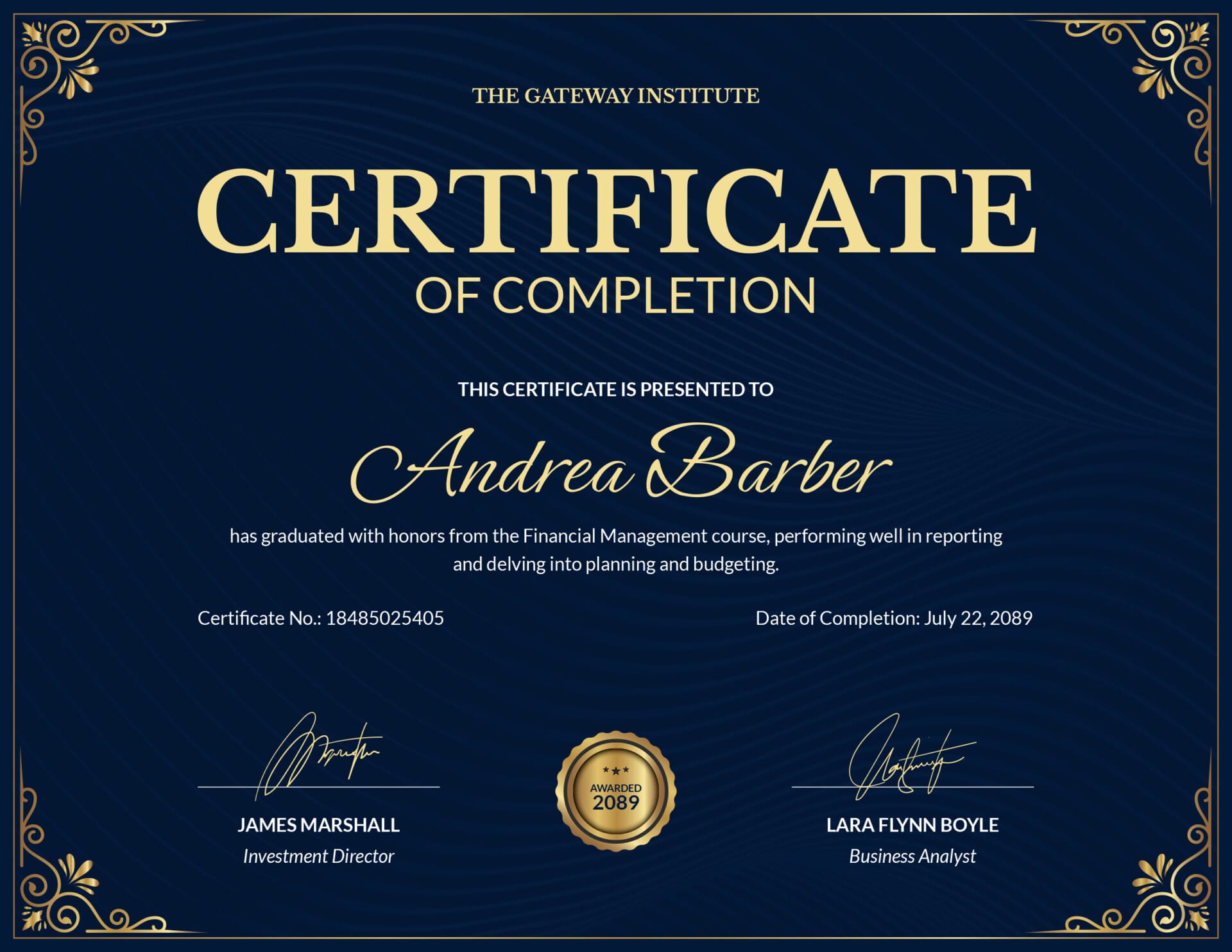
Confirm that a course, training requirement, or job was finished. Worded to read as a record for an HR file, a continuing-education log, or a compliance audit, where the precise claim matters.
Document that a person completed a specific training program, from workplace onboarding to safety and skills courses, so the certificate can be filed and referred back to later.
Mark finishing a school year, a course of study, or a program, issued to a class or cohort and built to read as a formal milestone worth keeping.
Recognize standout work over a set period, naming the person and the month. Designed for recurring internal programs that need a consistent look each time.
Declare that delivered goods meet the purchase order and governing standard, issued at dispatch in manufacturing and regulated industries. Built around part, batch, and standards traceability.
Record ownership of a stated number of shares in a corporation, issued to founders, investors, or employees, with the share count, class, and certificate number a holding needs.
A commemorative record of a new baby or a new pet, naming who was born, when and where, and to whom. A keepsake, separate from the official record a vital records office issues.
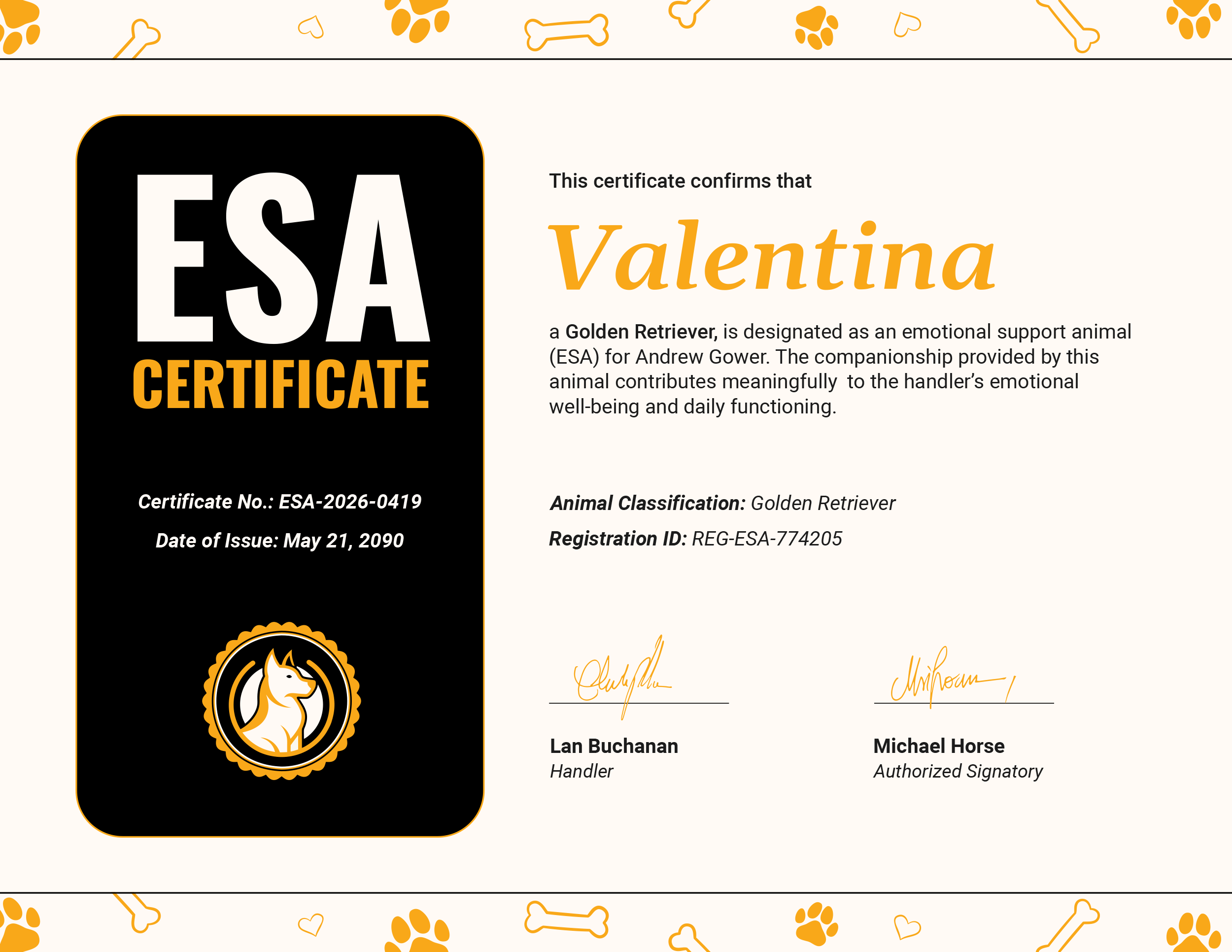
Celebrate the day a child, an adult, or a pet joins a family, in tones from playful pet designs to formal sealed keepsakes that sit alongside the legal paperwork.
A certificate the couple signs and frames after the vows, recording the marriage as a memento rather than the legal marriage certificate a government office registers.
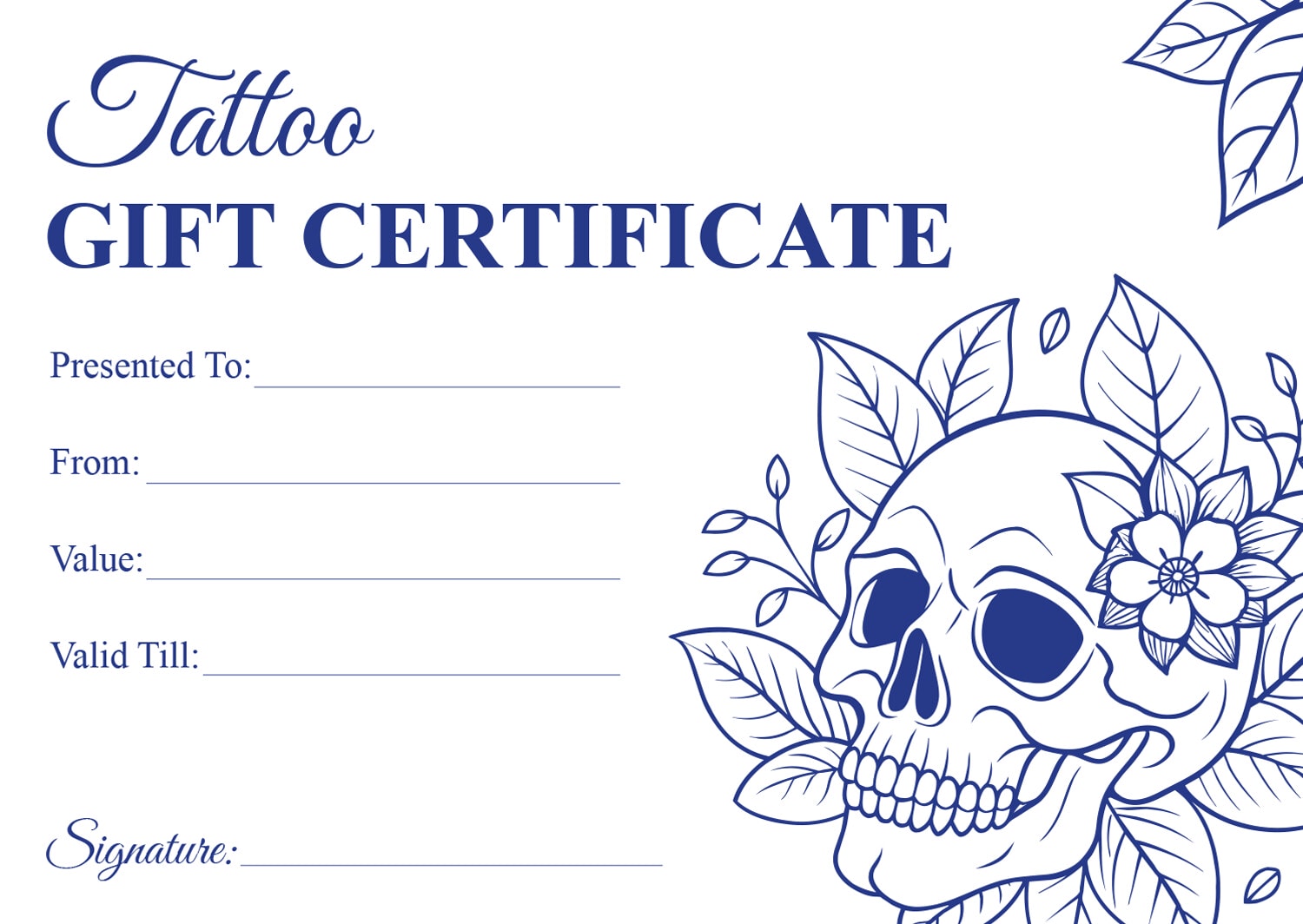
State a value or service to be redeemed later, with room for the recipient, the offer, and an expiry or terms line, for retail, services, and personal gifting.
How to fill in and issue a certificate
What to get right at each stage so the finished certificate reads as deliberately issued and stays reliable for whoever reads it later.
Match the certificate to what you are actually attesting, an award to honor an achievement, a completion certificate to confirm finished work, a conformance certificate to document a shipment. The type sets the wording and tone its reader expects, so the closest match leaves you the least to rewrite.
A classroom thank-you and an auditor-ready record sit at opposite ends of the same range. A heavier bordered, sealed design reads as official; a lighter one reads as warm. Choose the level the moment calls for, since that look shapes how the certificate is received before a word is read.
Set who the certificate is for and the specific reason behind it, the course title, the contribution, the shares, the occasion. The reason is what a later reader checks, so word it precisely; a vague line undercuts a certificate meant to be relied on.
Tip — For records like completion or conformance, name the exact program or specification rather than a general phrase, since that wording is what an HR file or an audit reads.
Fill in the date, and where the certificate is a record, a certificate number, case or order reference, or quantity that lets it be matched to other paperwork. A consistent numbering format is what makes a past certificate easy to find again.
Name who signs and their title, and keep the seal or badge where the certificate needs to read as authorized. A named signer with a title is much of what gives a certificate its standing, so use a real role rather than a placeholder.
Where the certificate comes from a school, company, club, or agency, add that name or logo so it is plainly issued under it. This is the difference between a certificate that looks official and one that looks generic.
Read the name, the reason, and the dates back once for accuracy and once for tone. A certificate meant to be trusted is undone by a misspelled name or a wrong date, so the final read is worth the minute it takes.
Hand or send the finished certificate to its recipient and keep one for your own records, especially for anything that may need to be verified or reissued later. Each template card shows the formats available, so you can print or share it as the situation calls for.
FAQs
What kinds of certificates does this collection include?
The range is broad. It reaches across recognition and appreciation certificates, course and training completion certificates, official and technical records like stock and conformance certificates, keepsakes such as birth, wedding, and adoption certificates, and gift certificates. Find the kind that matches your occasion and start from a design built for it.
Do a printed certificate and an official legal record mean the same thing?
Not always. Recognition, completion, and gift certificates are issued by the organization behind them and stand on their own. Keepsake certificates for a birth, wedding, or adoption are mementos, and the legal record for those comes from a court or government office. The page for each kind makes that distinction clear.
What makes a certificate read as officially issued?
Mostly the signer and the source. A named signer with their title, a seal or badge, and the issuing organization’s name or logo are what tell a reader the certificate was issued deliberately rather than printed casually. The records-type certificates add a certificate number or reference for the same reason.
What file formats are the templates available in?
The collection spans the formats people work in, including Word, PowerPoint, Google Docs, and Google Slides, with some designs in other formats. Which apply depends on the certificate, so each template card shows the formats available for that design. You can work in the program you already use.
How do I choose the right certificate?
Start from what you are certifying rather than the look. To thank or honor someone, a recognition or award certificate; to confirm finished work, a completion certificate; to document a fact like ownership, a records certificate; to mark a family occasion, a keepsake. Once the purpose is clear, the kind follows and you can pick the design that fits the moment.