
Free Document Templates
From a business proposal to a rental receipt, a school roster to a resignation letter, most documents follow a form that is well established and tedious to rebuild from scratch each time. These document templates give you that form already in place, so the only work left is the part that is yours. Find the type you need and start from a version built for it.







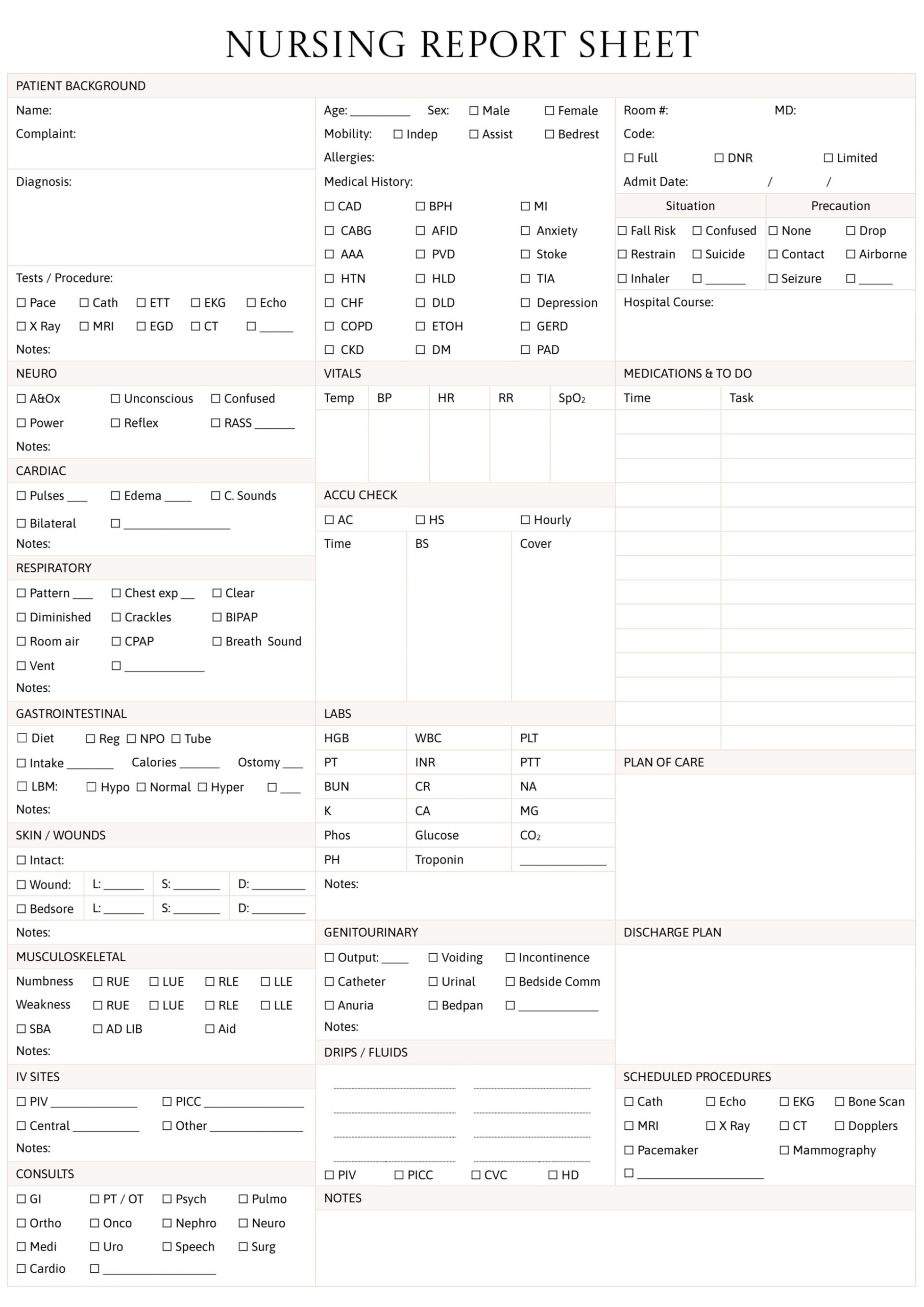























A document does its job when its reader can trust it and act on it. A proposal that states its case cleanly wins the work; a receipt with the right details settles a dispute; a notice that says the right thing on time protects both sides. Good documentation is less about elaborate writing than about having the right structure, the right details in the right place, and a tone that fits the reader. That is exactly what is hard to get right from a blank page and easy to get wrong under time pressure.
That is the thinking behind this collection. Each type of document here is researched before it is designed. We look at what the document is for, who reads it, what it has to include to be taken seriously, and where people often go wrong. The templates are then built around that, so the structure and the professional presentation are already handled and your work is the substance. The range is deliberately broad, covering business documents like proposals, quotes, and reports, workplace and personal letters, planners, schedules, and calendars, records like logs, inventories, and receipts, and specialized documents for real estate, education, and more. Whatever you are creating, you can start from a version that already knows what it needs to be.
Worth knowing: The templates span the file formats people actually work in, including Word, Google Docs, Excel, Google Sheets, PowerPoint, Google Slides, PDF, Adobe Photoshop, and Adobe Illustrator. Each template card shows the formats available for that template, so you can work in the program you already use.
What this collection covers
The kinds of documents these templates span, and what each group is for.
Proposal, RFP, and quote templates for pitching work and responding to requests. Each is built to make a case a client can say yes to, with the sections that decision-makers look for.
Contract templates that set out terms both sides can rely on. The structure keeps obligations, dates, and signatures clear, which is what makes an agreement hold up later.
Report, capability statement, and fact sheet templates for presenting information so a reader takes it in fast. Built to lead with what matters and keep the detail readable.
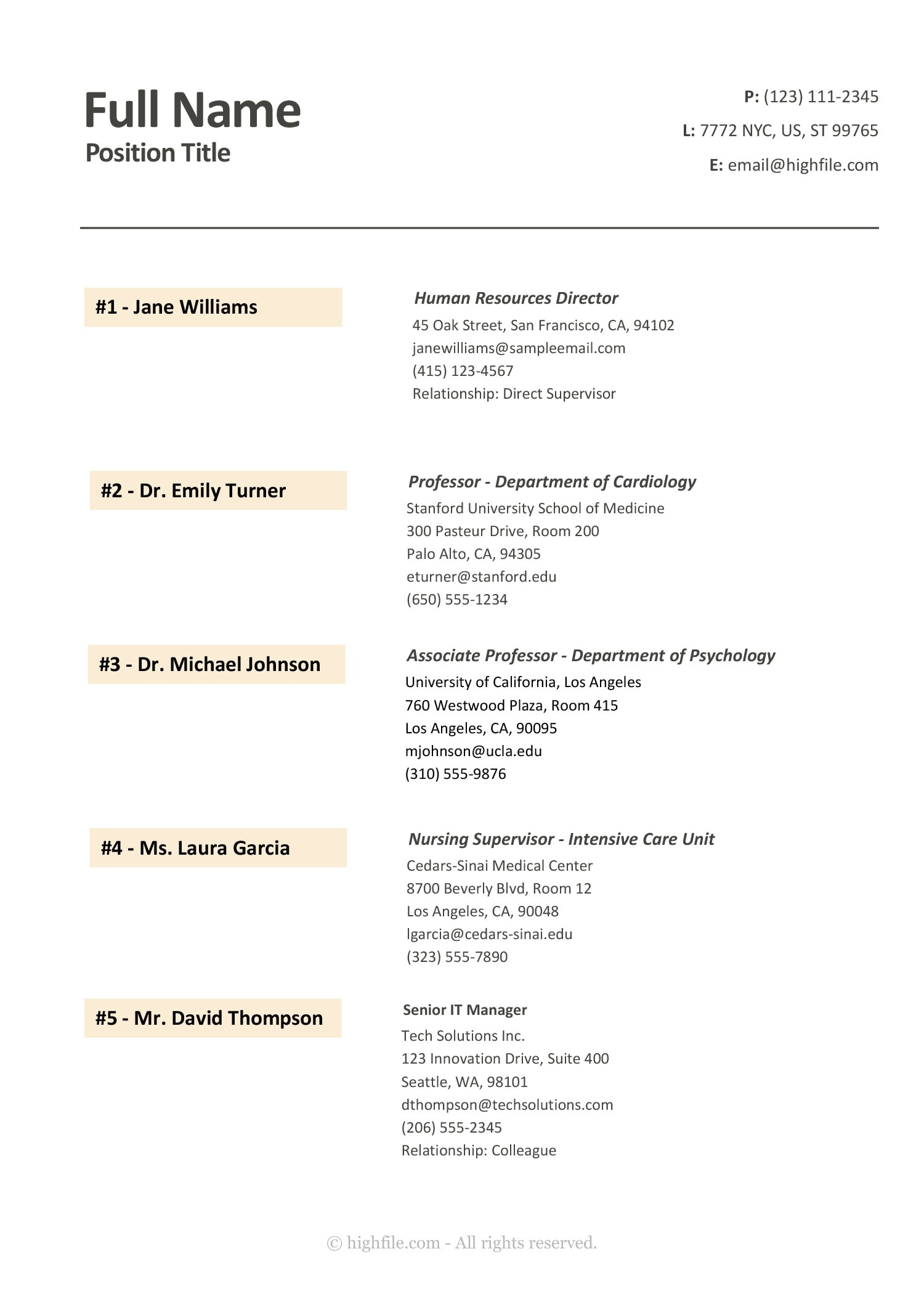
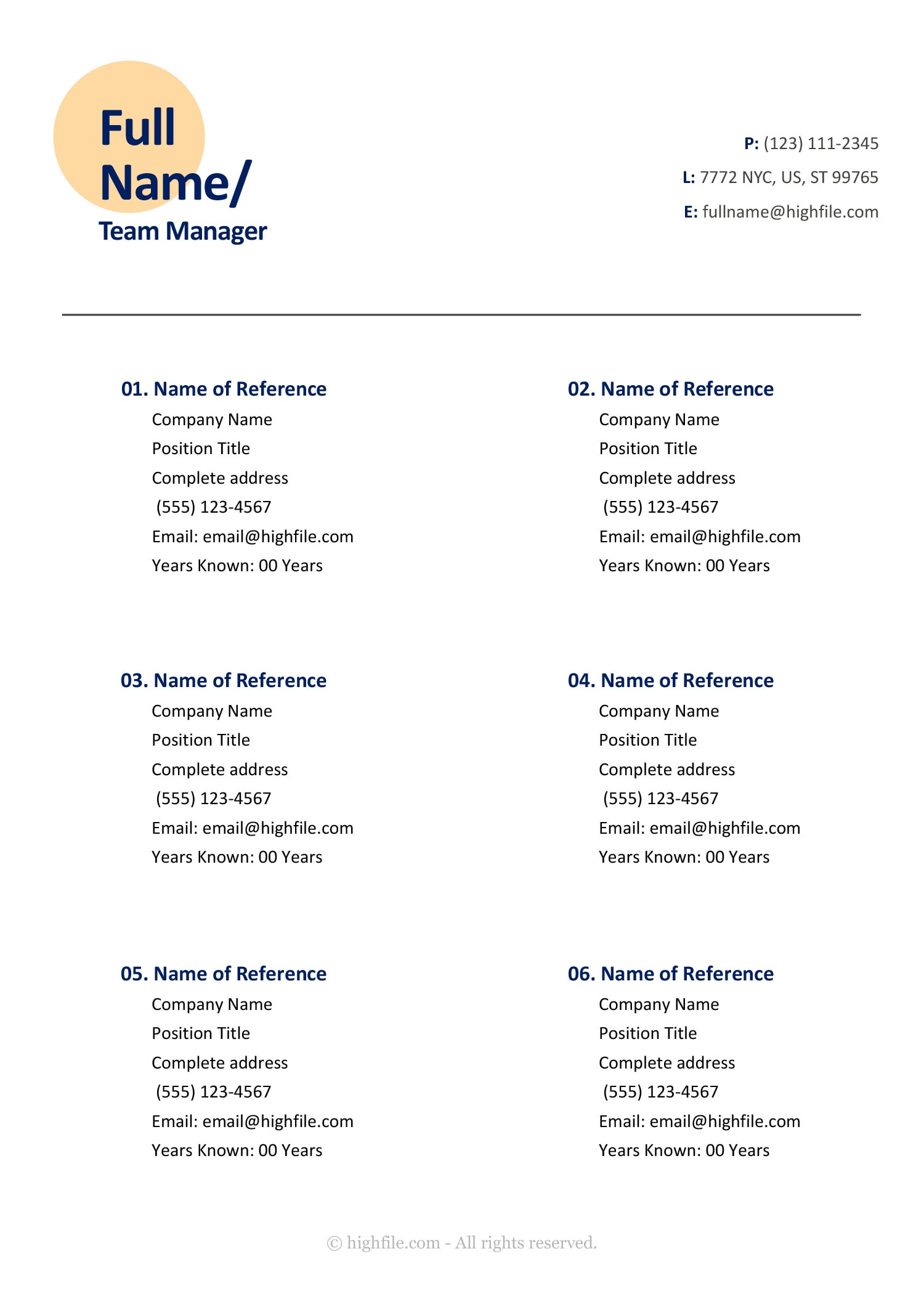
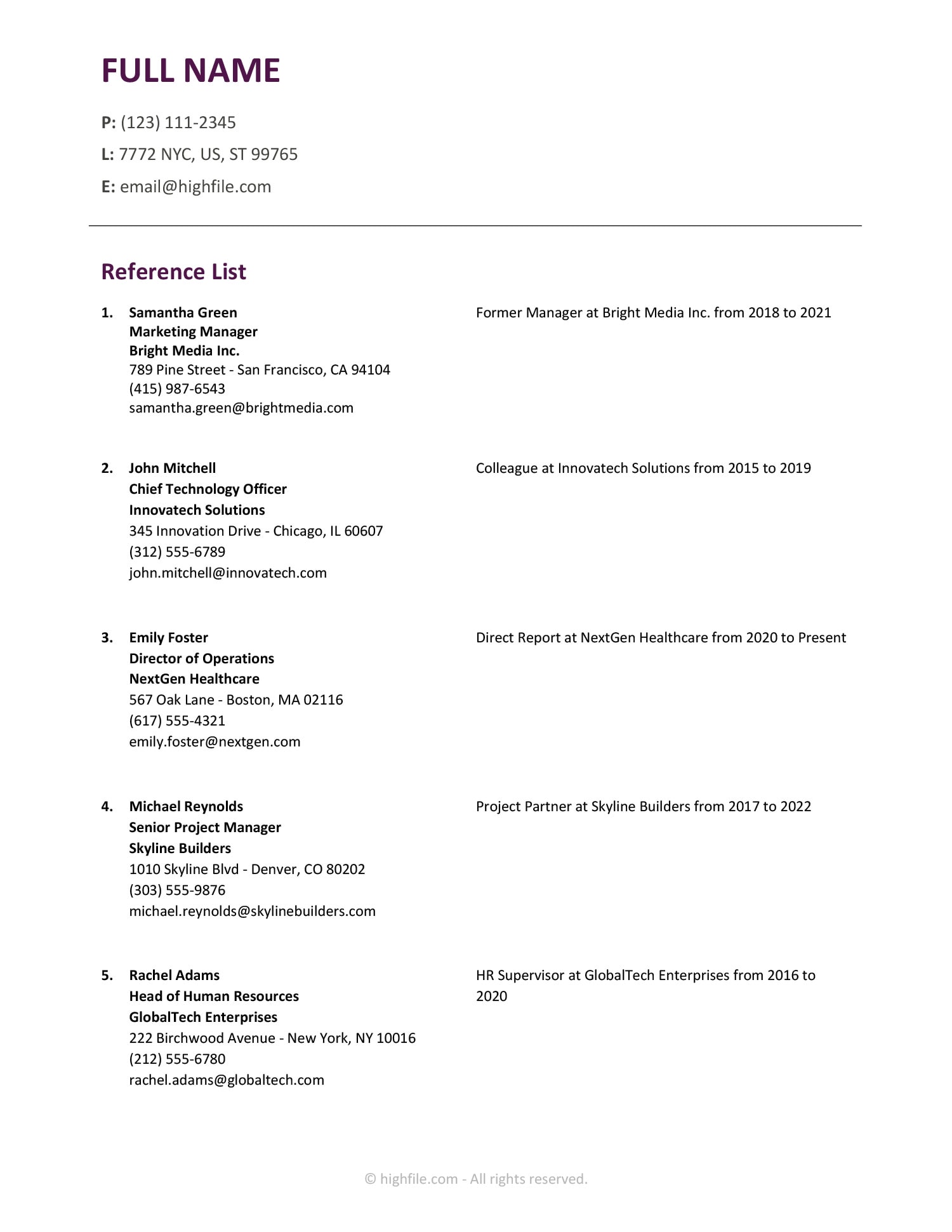
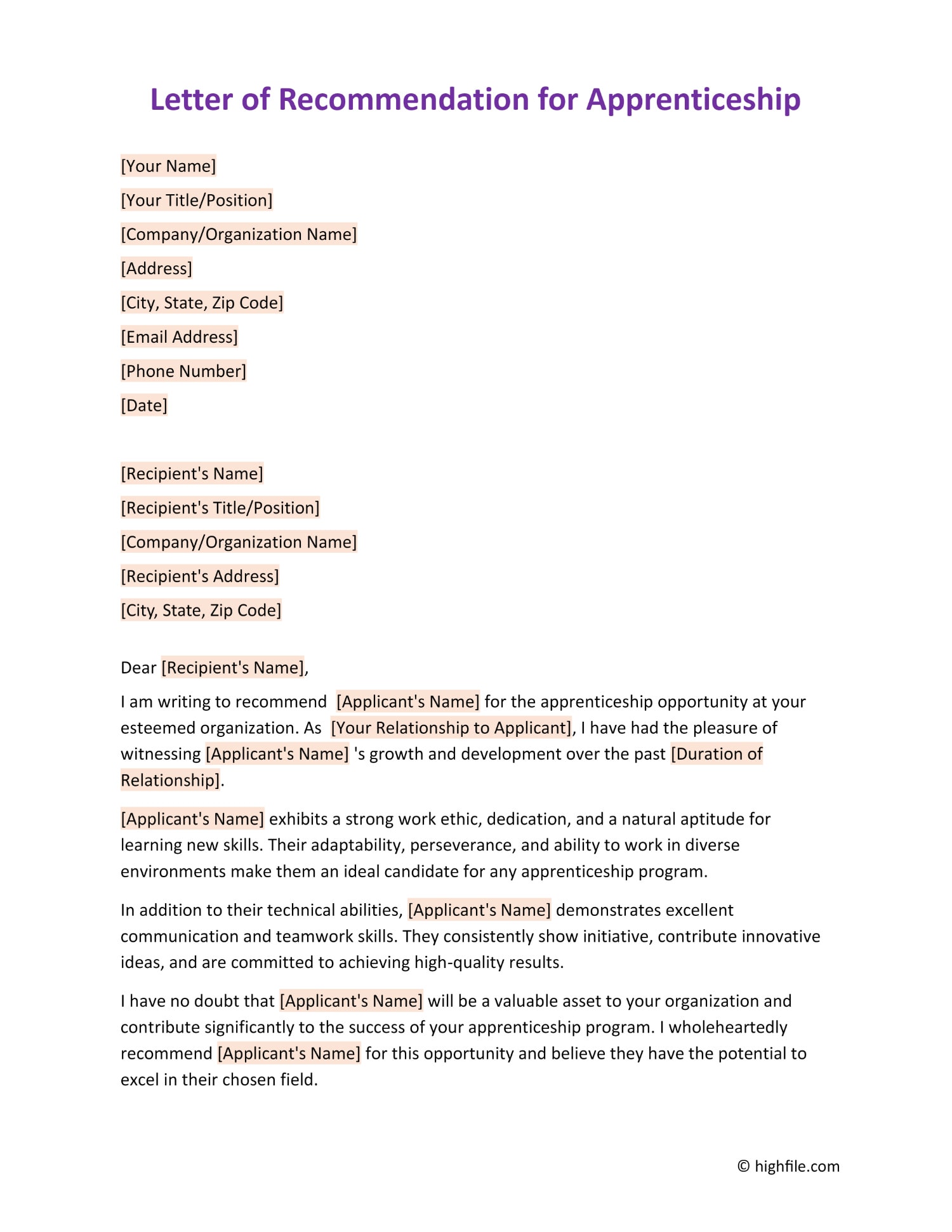
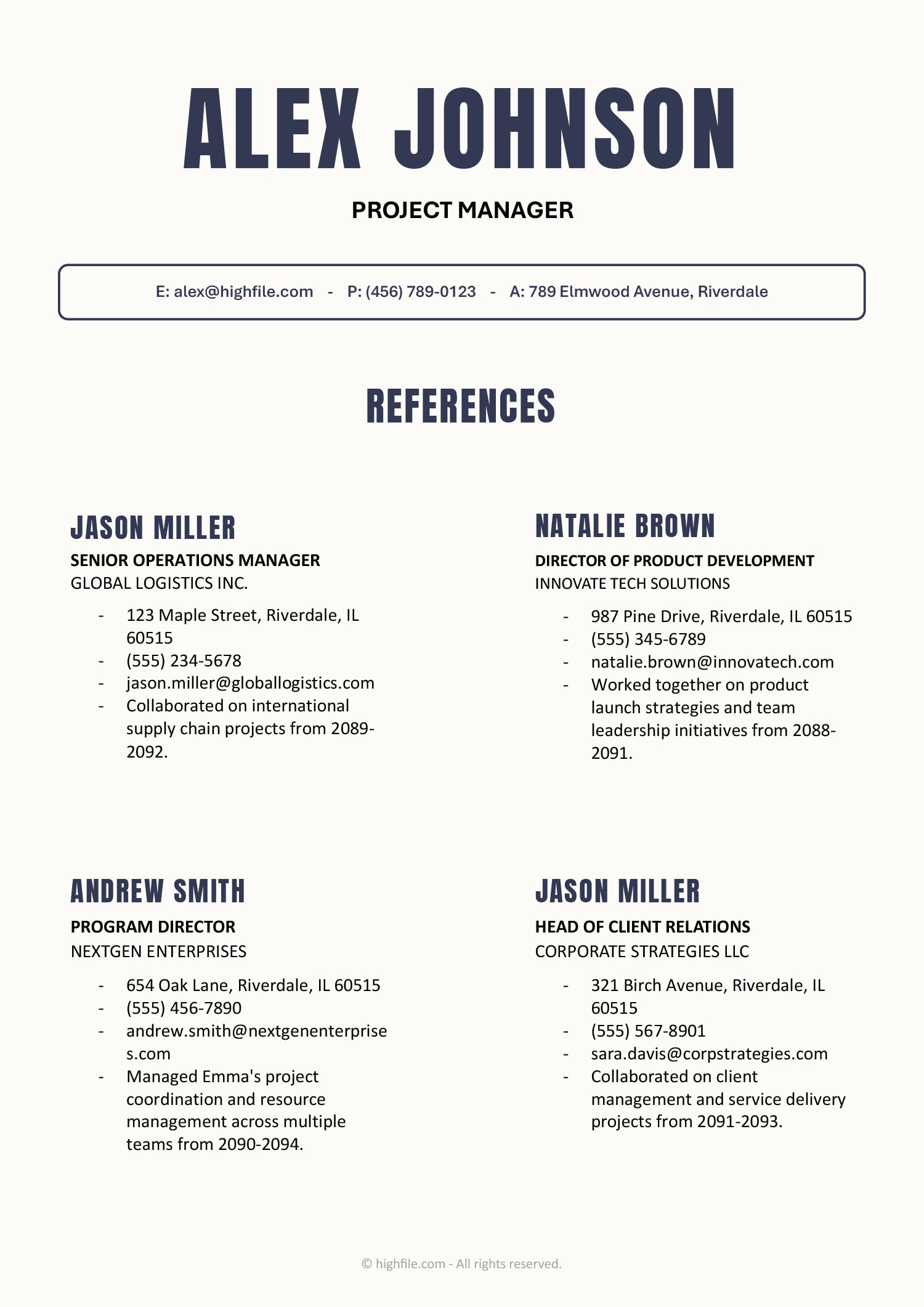
Cover, recommendation, reference, verification, and notice letters, plus letters of support, each written for its moment. The wording and tone are set for the situation, from a job application to a resignation.
Meeting minutes, evaluations, and biography templates that record what happened and who was involved. The format keeps a document accurate enough to refer back to with confidence.
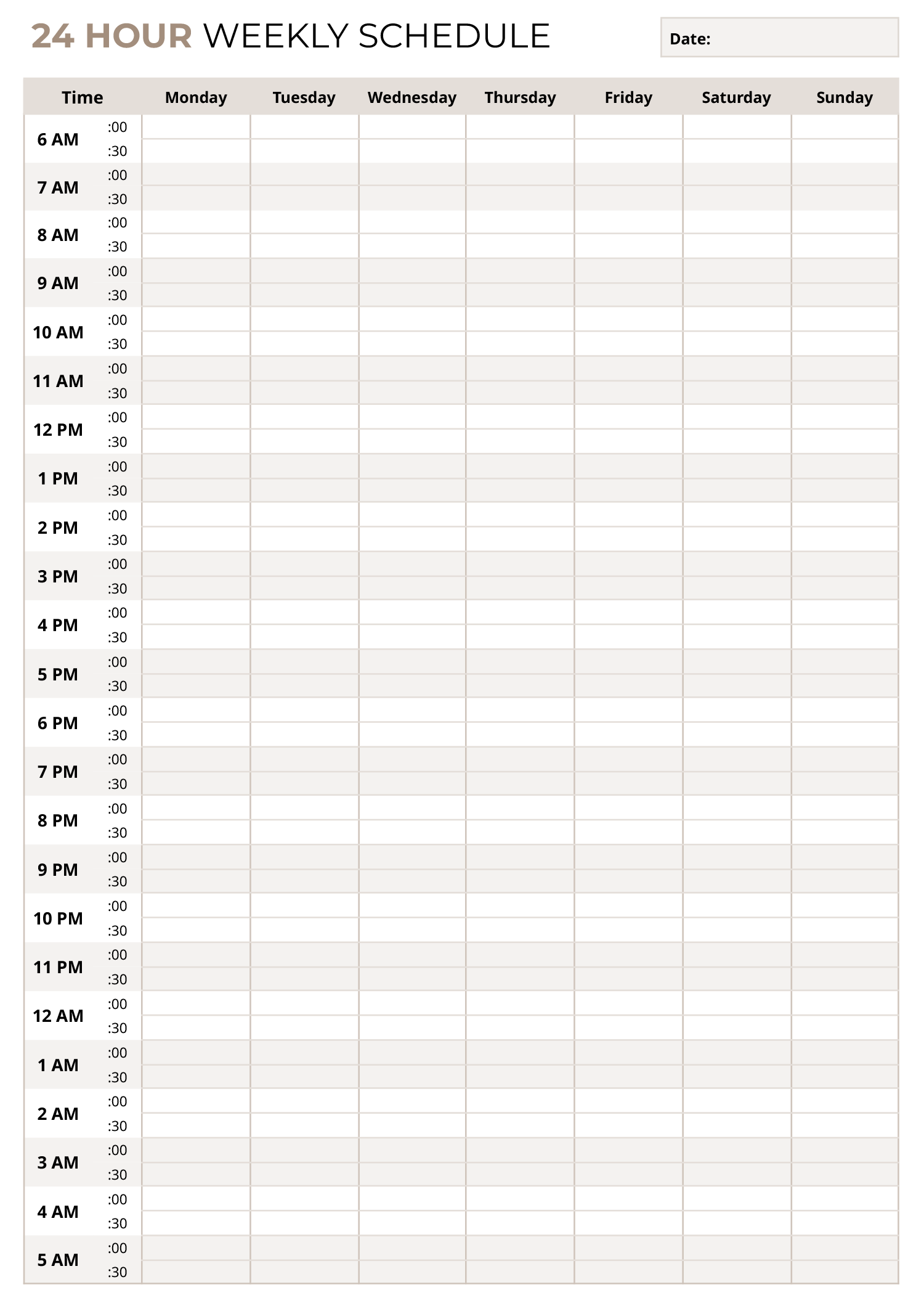
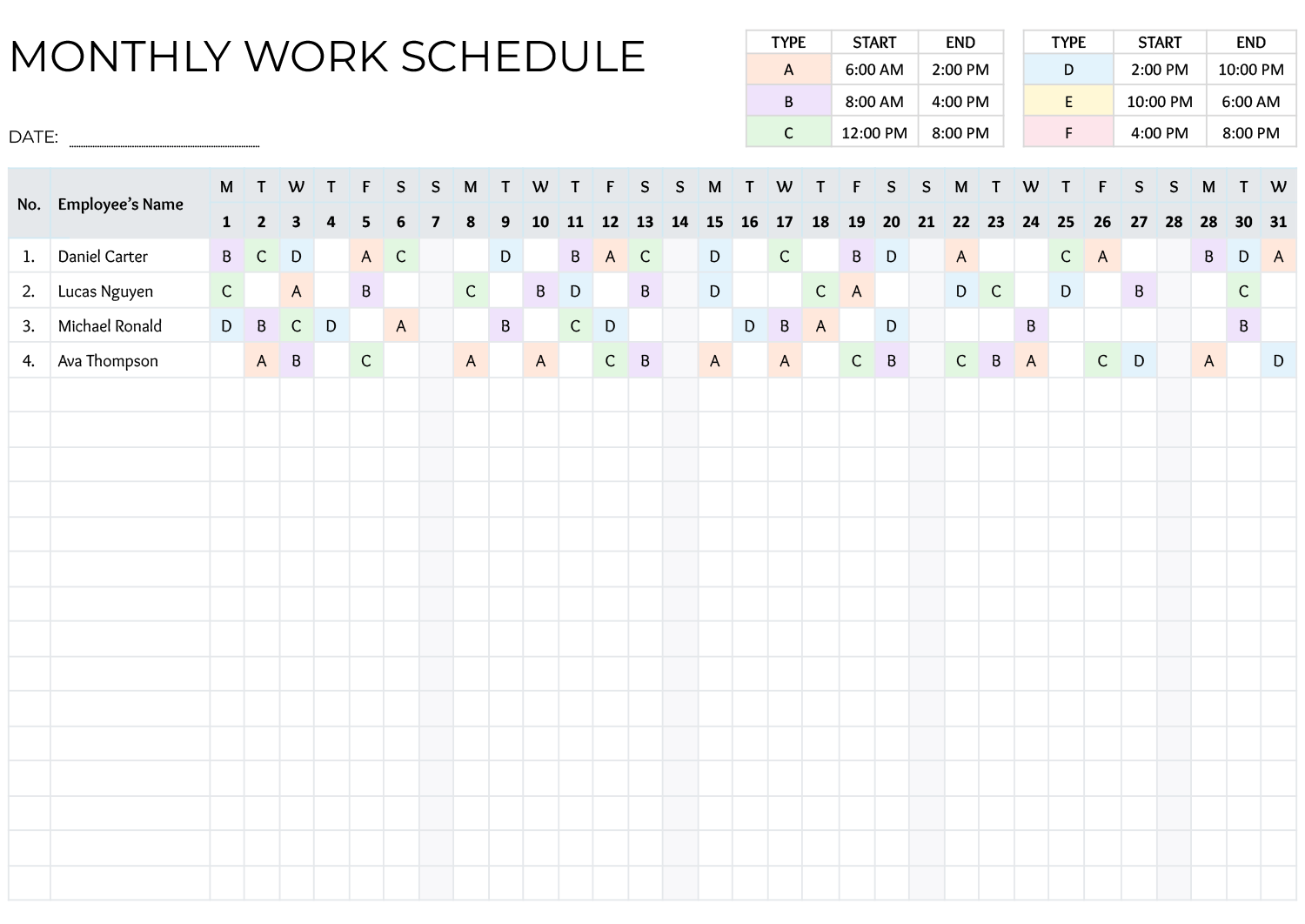
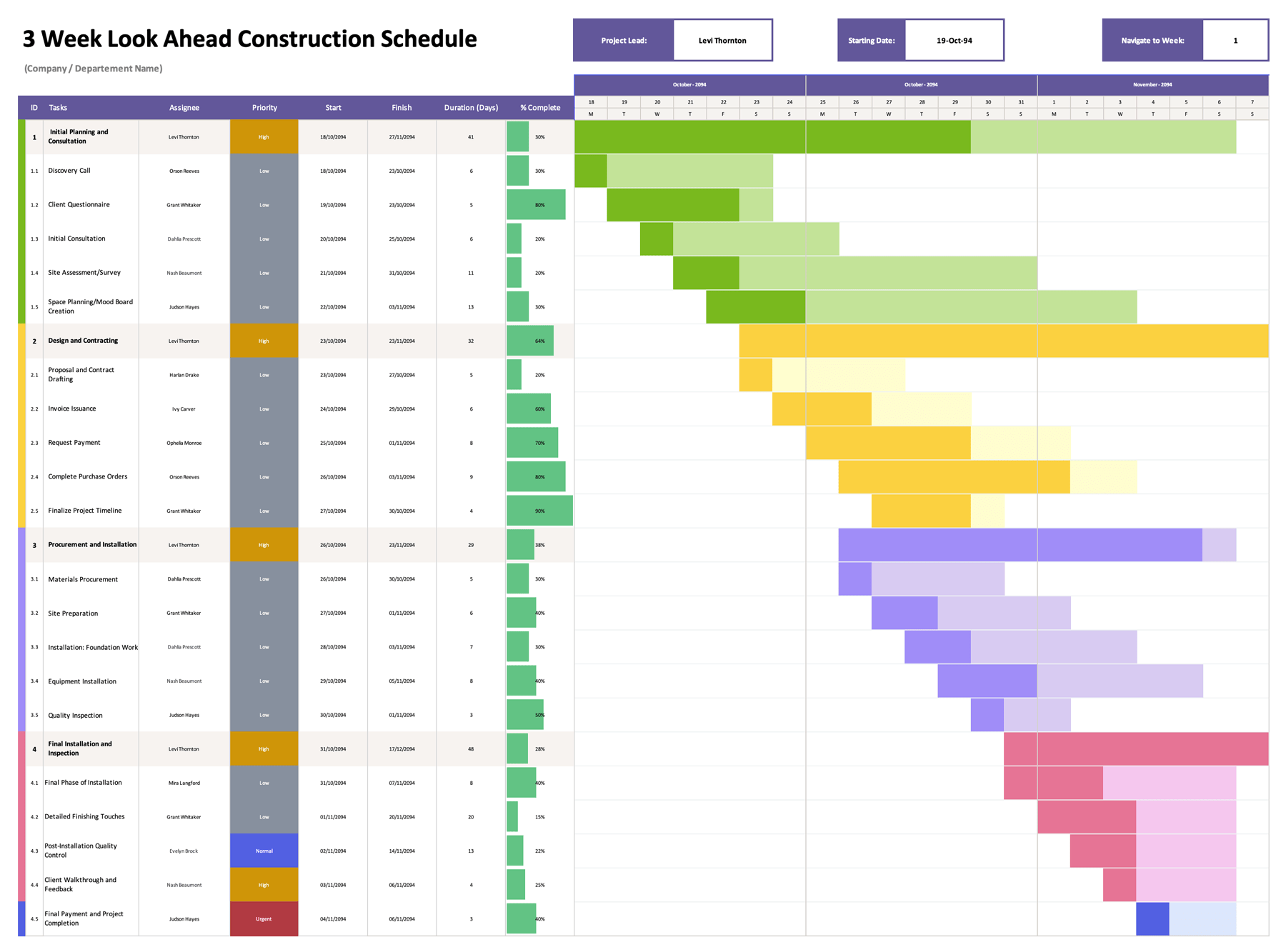
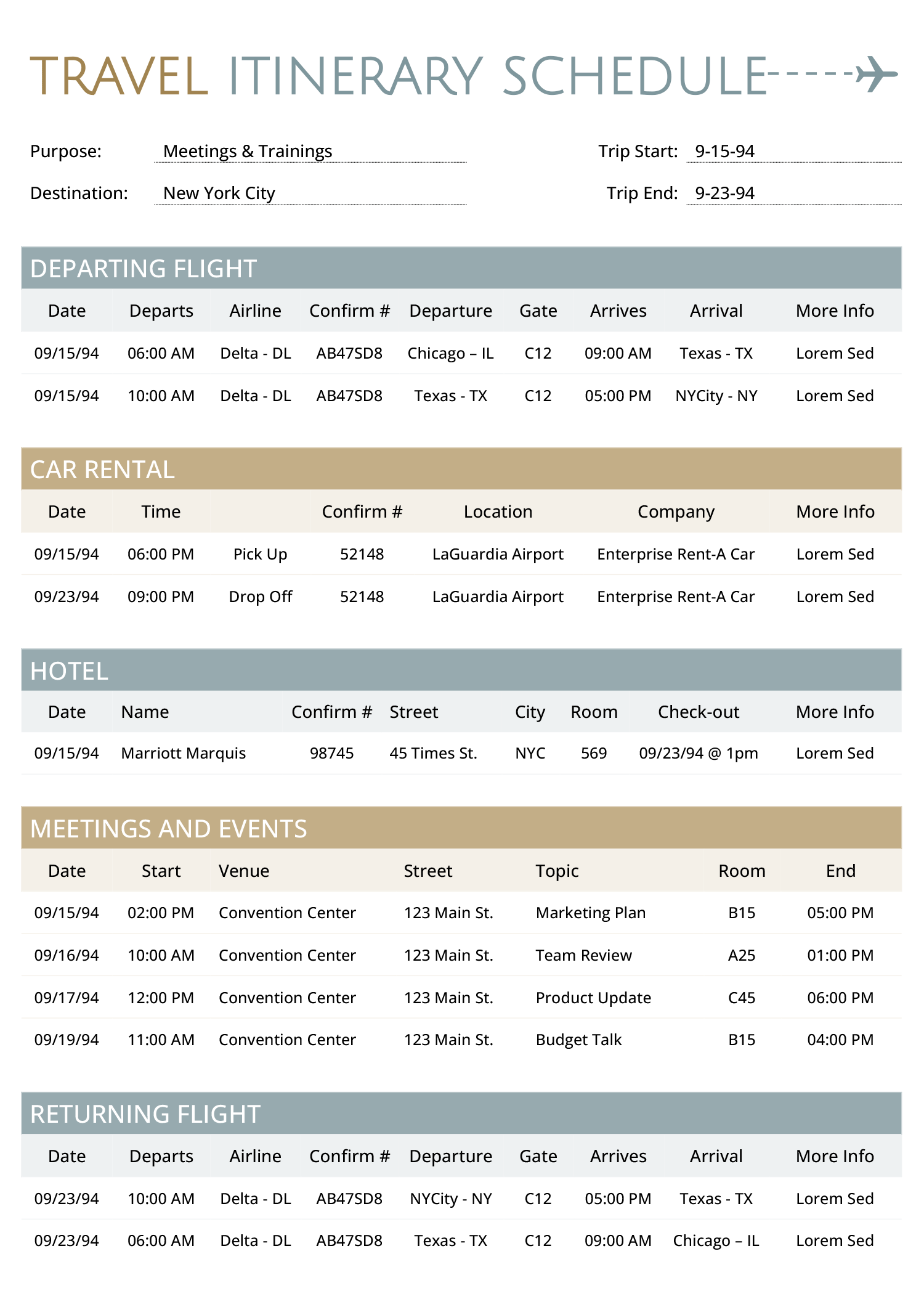
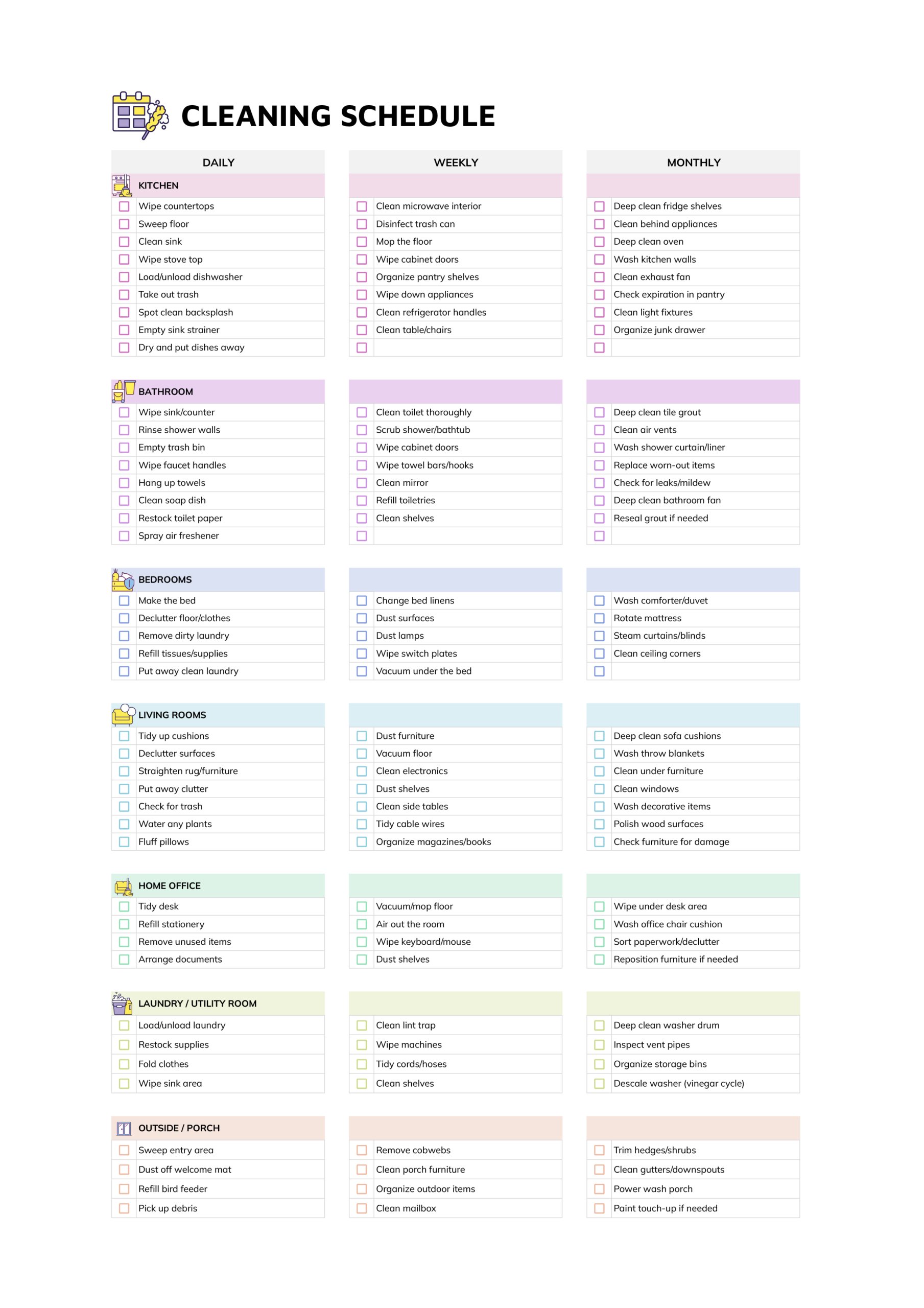
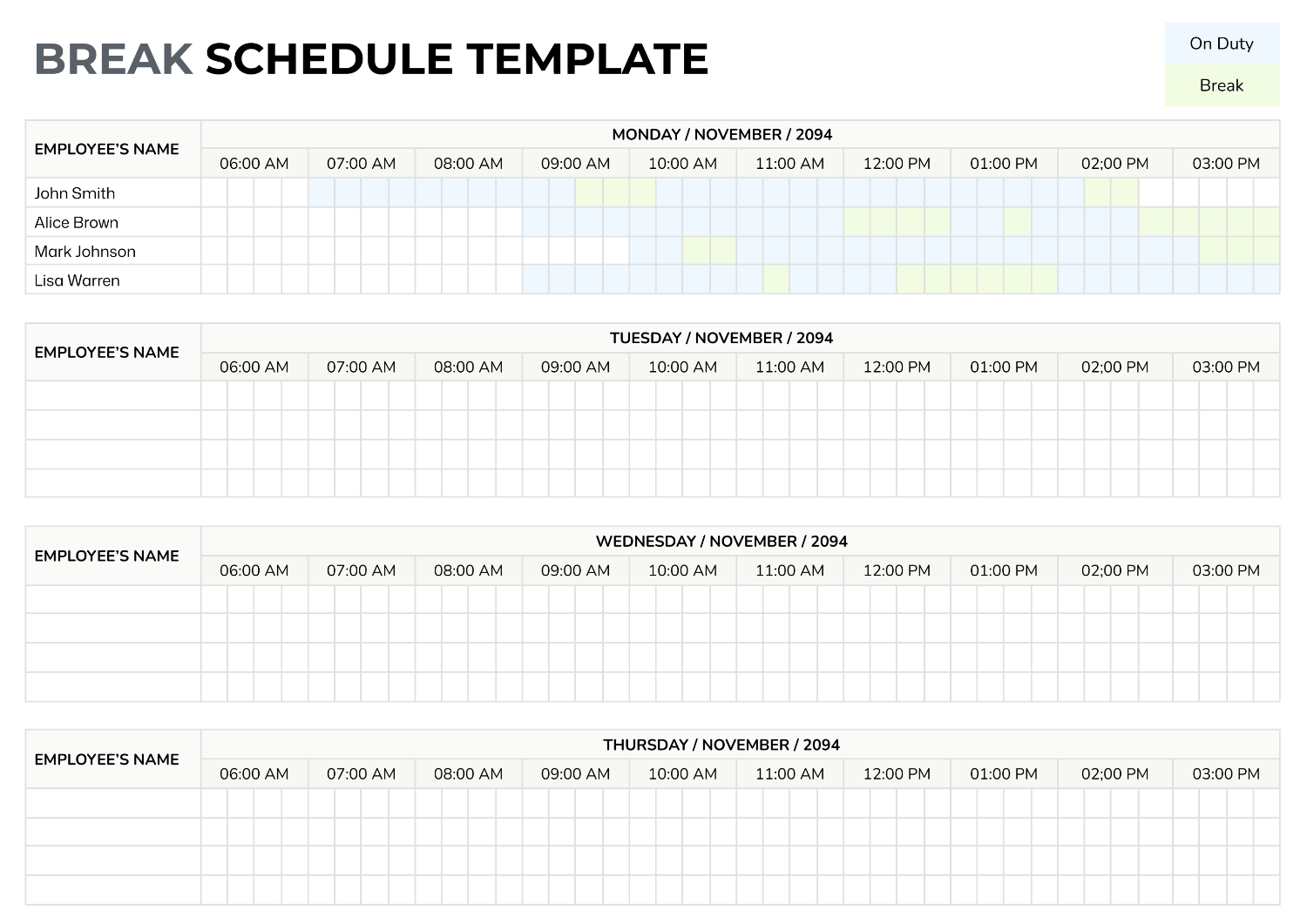
Schedules of every kind, planners, and calendars for organizing days, shifts, projects, and longer plans. Laid out so a plan is easy to read at a glance and easy to keep current.
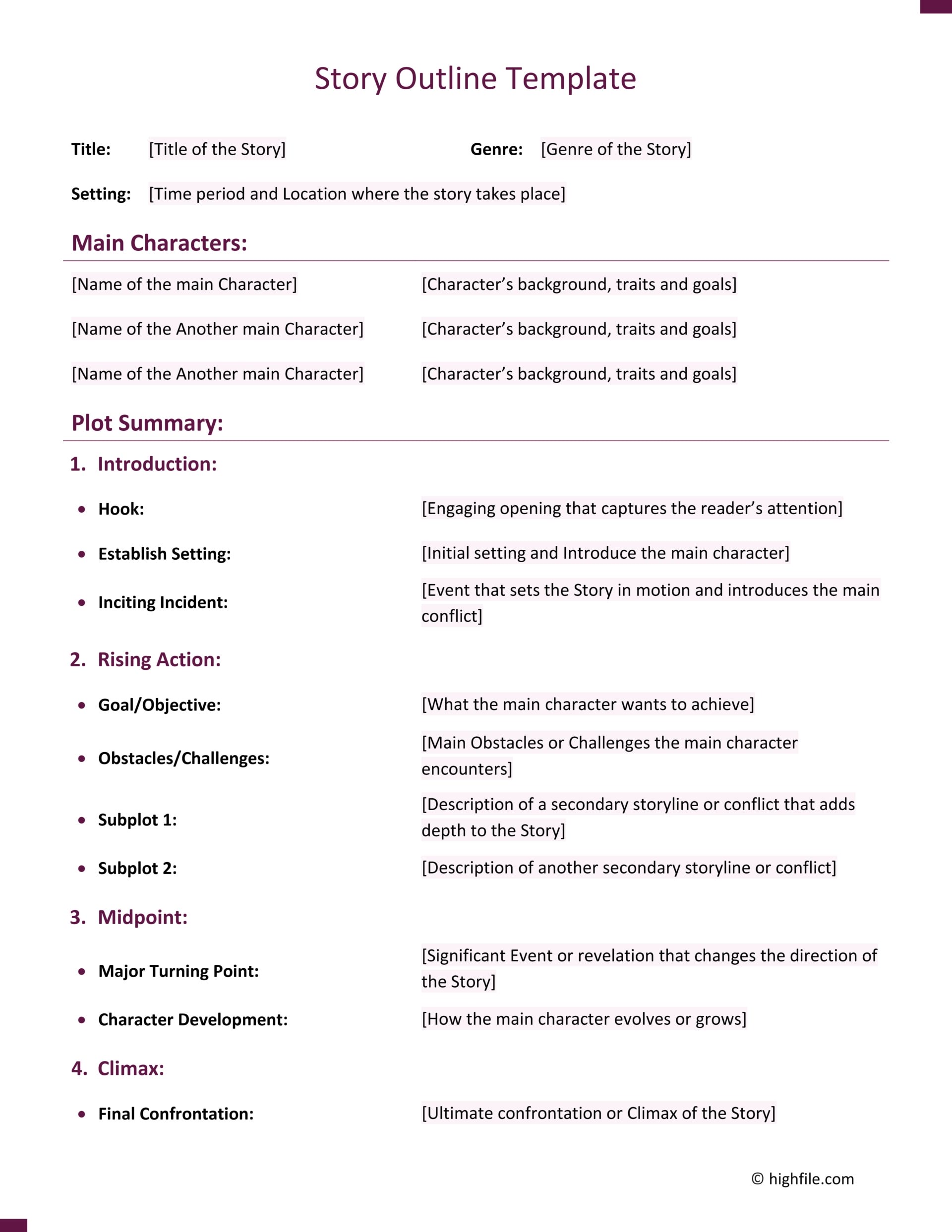
List, to-do, and outline templates for ordering tasks, items, and ideas before the work starts. A clear structure up front is what keeps nothing from slipping through.
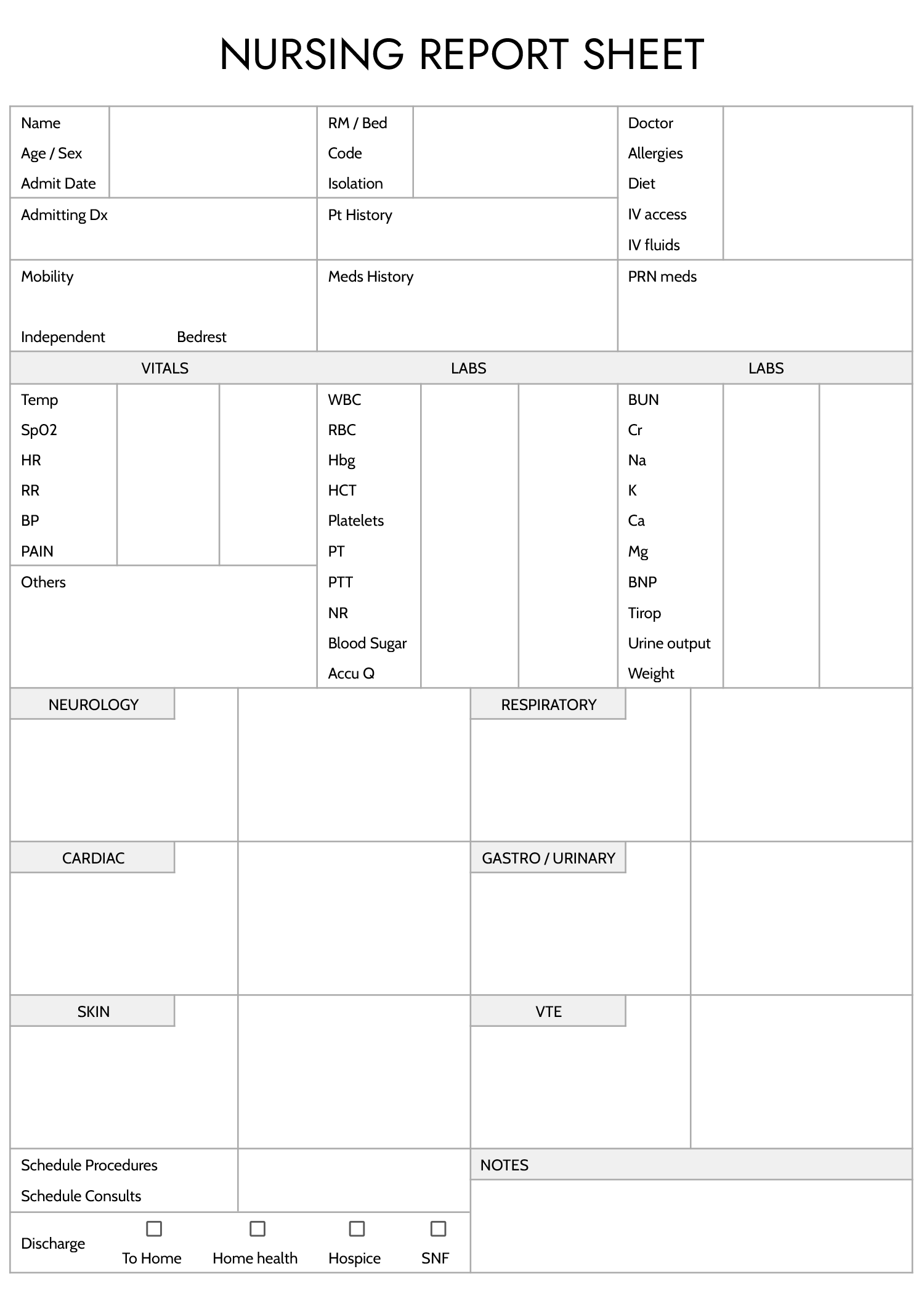
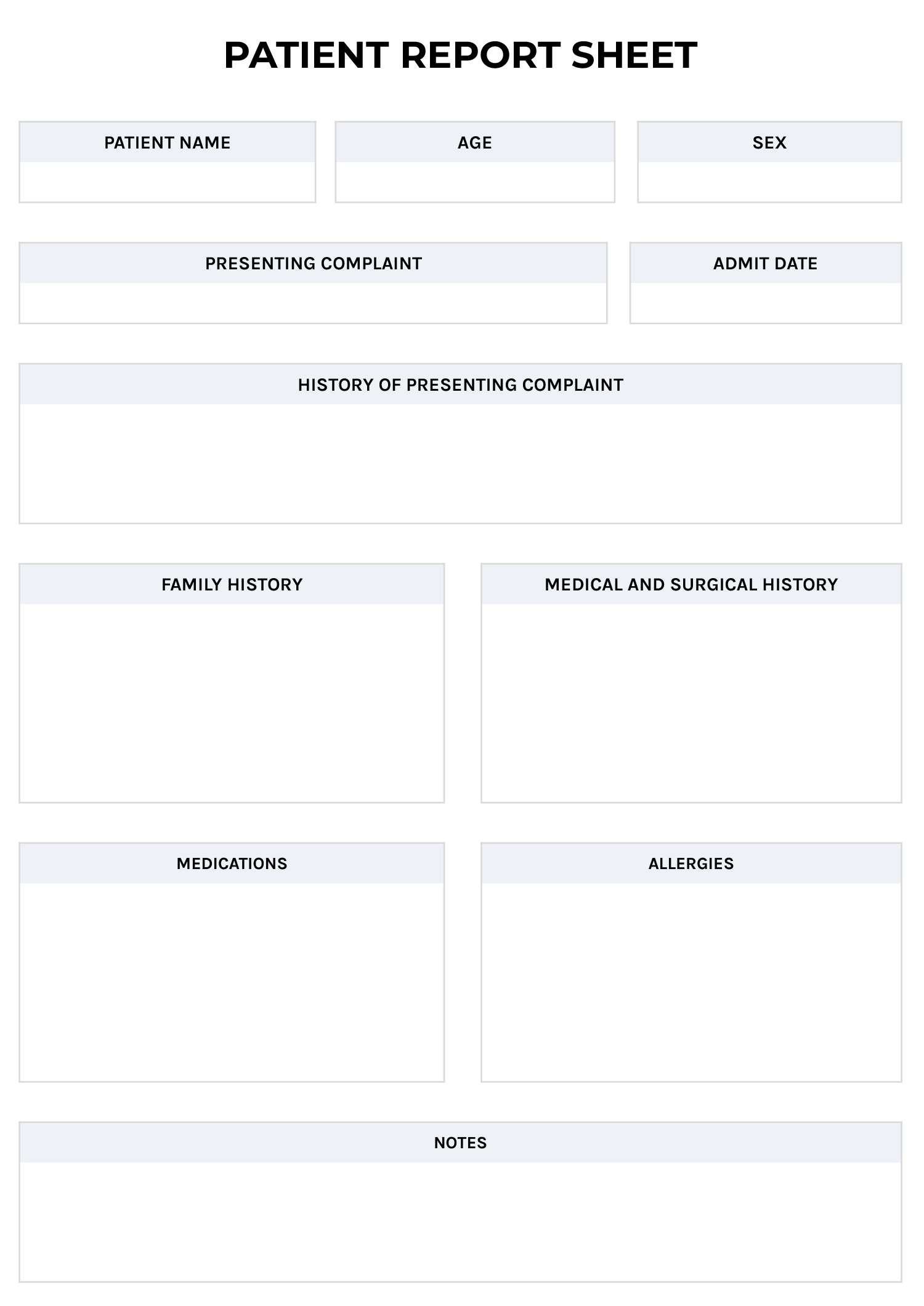
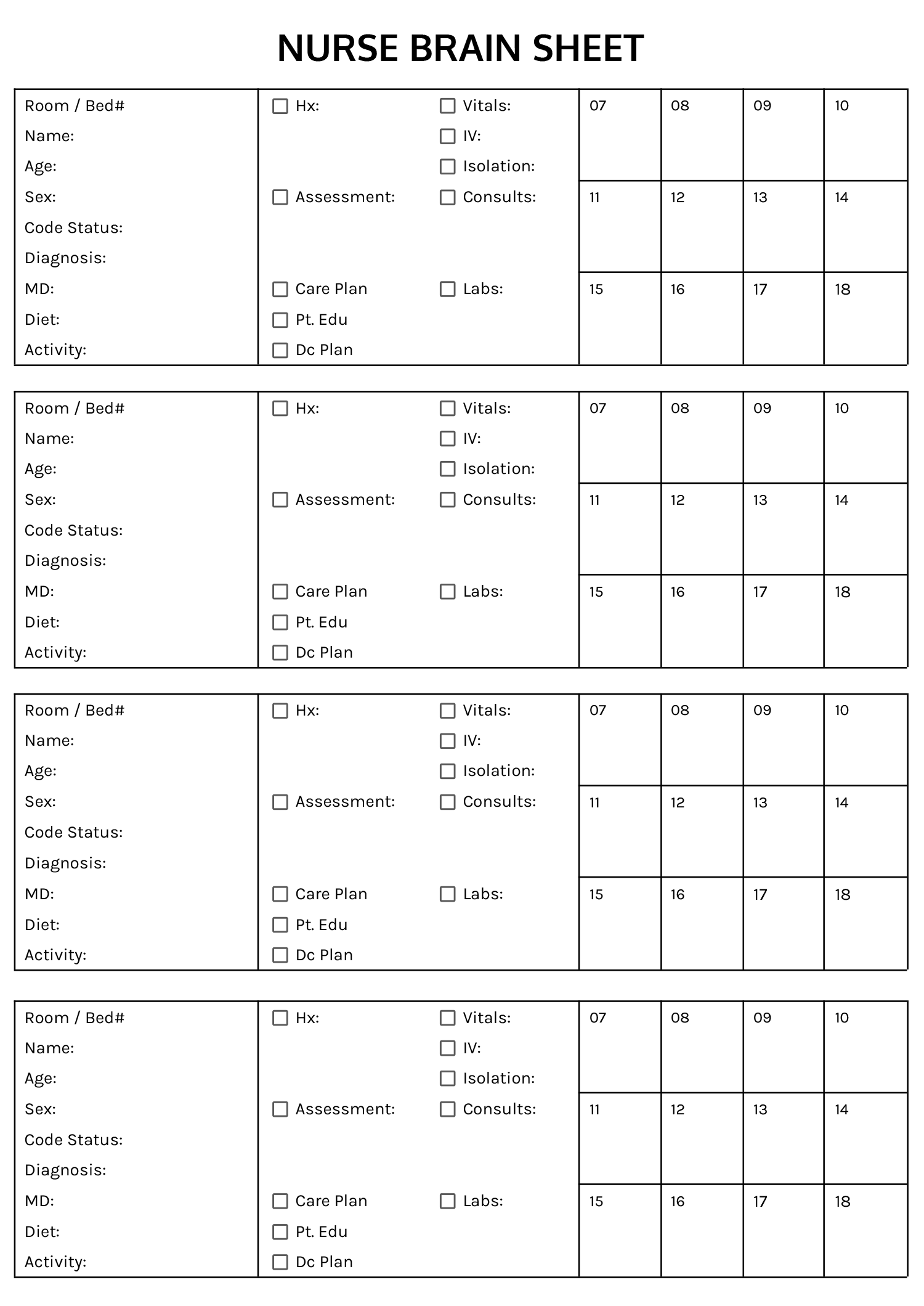
Log sheets, inventory templates, and receipt templates for tracking activity, stock, and payments over time. Built to produce a record that is consistent and verifiable.
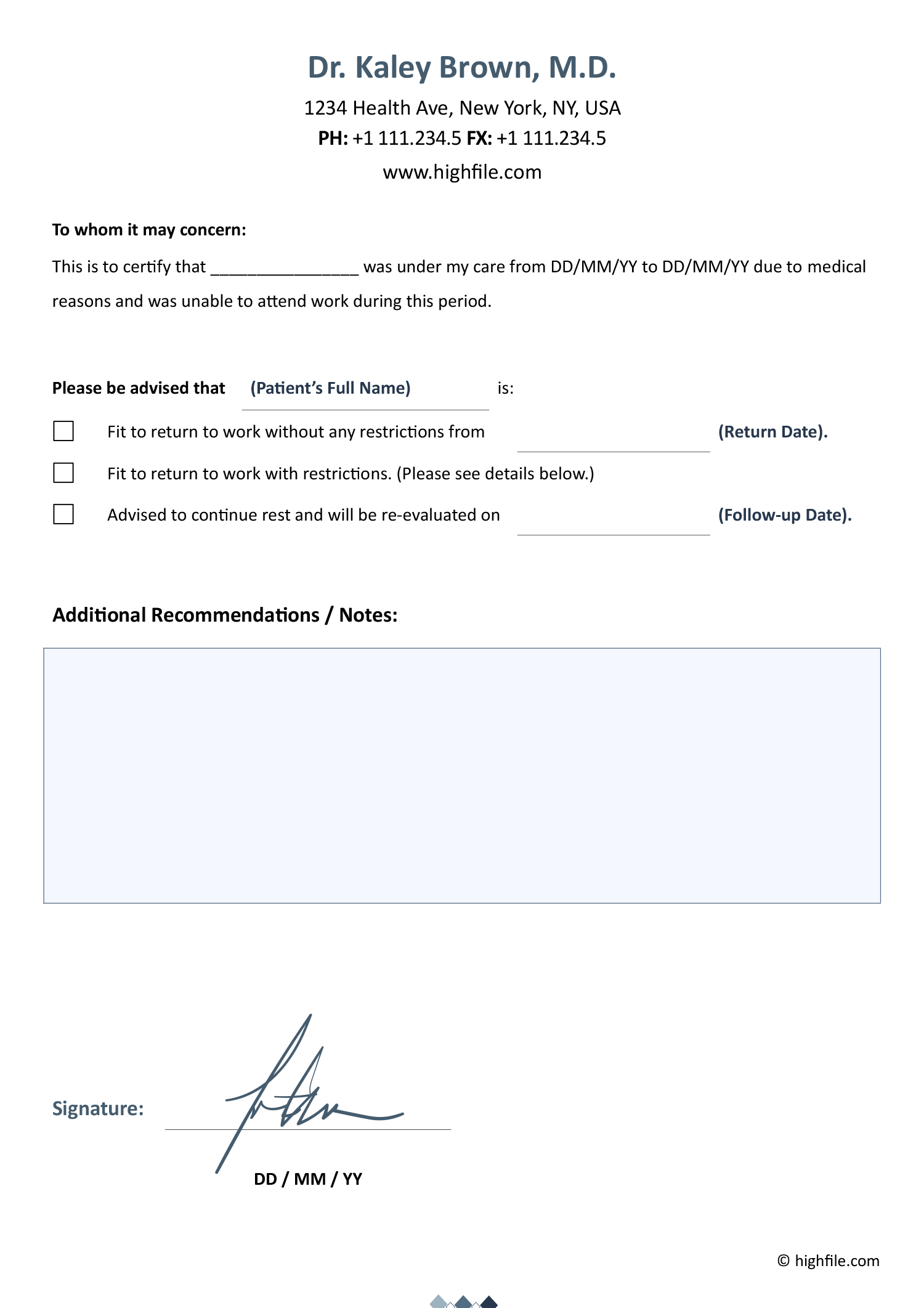
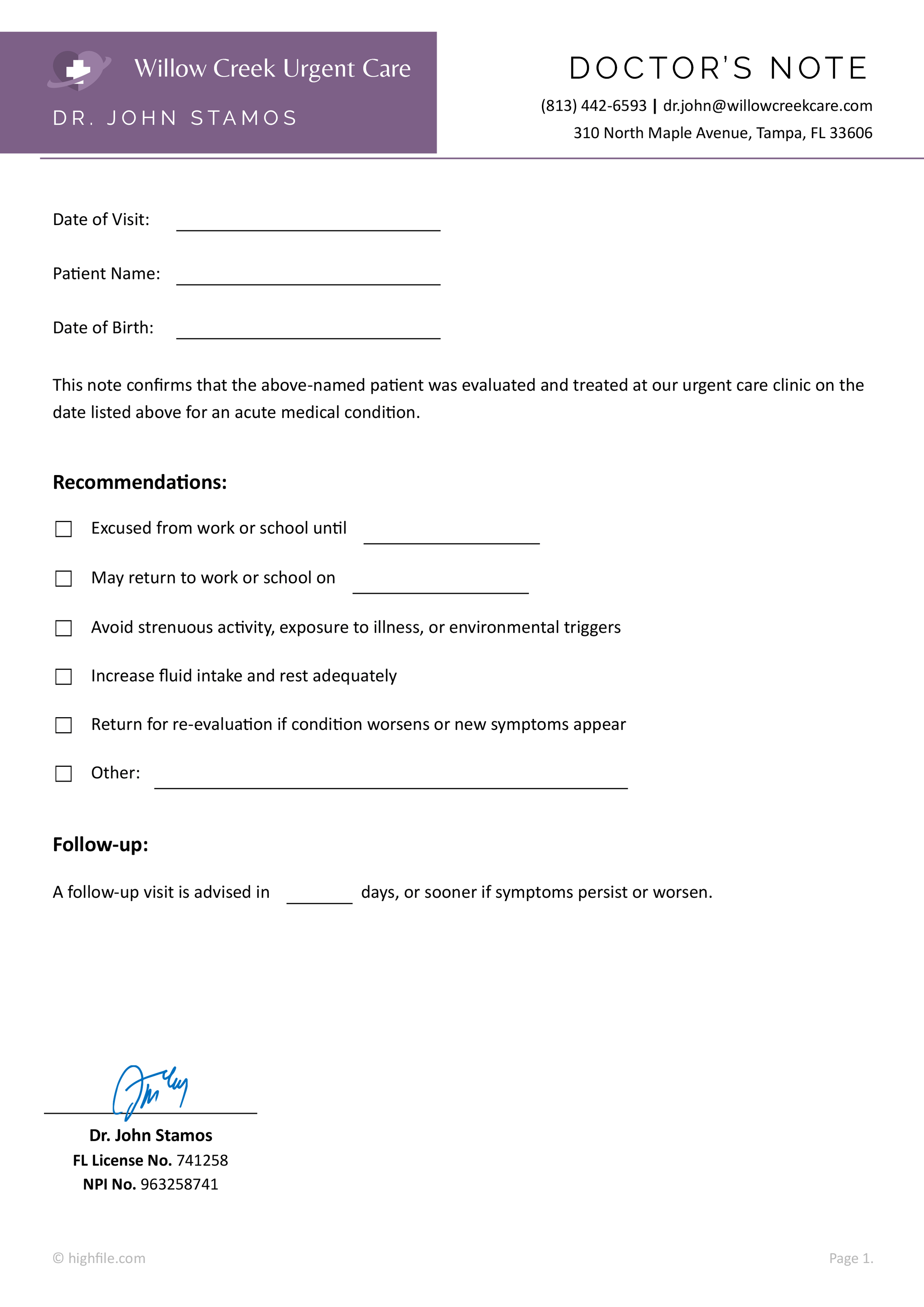
Open house sign-in sheets, notice-to-vacate letters, doctor's notes, SMART goals, and tables of contents, for the specific documents work, property, and personal life occasionally call for.
Along with these, the collection also includes document templates like contracts, meeting minutes, receipts, inventory templates, and fact sheets, plus other useful templates beyond the groups shown here. We are continually working on the collection, adding new document types and refining the ones already here, so it keeps growing alongside the documents people need to produce.
Working with a document template
From finding the right type to a finished document you can send with confidence.
Match the document to what you are actually doing, a proposal to pitch work, a notice for a formal decision, a receipt for a payment. The right starting point already sets out the structure and tone that document is expected to have.
Within a type, choose the version nearest your situation, since a construction proposal and a budget proposal open on different things. Working from the closest match leaves you less to rewrite and fewer sections to add.
Replace the placeholders with your details, names, dates, figures, and the specifics of your case. Keep what you write concrete, since the detail is what makes a document credible to the person reading it.
Some documents include parts that are there for a reason, a signature line on a contract, an issue date on a receipt, a reference number on a notice. Edit the wording, but keep the elements that let the document do its job.
Adjust tone and emphasis for who will read it. A document for a client reads differently from one for a colleague or a court, and getting that pitch right does much to land it.
Where it fits, bring the document in line with your own look, fonts, colors, and a logo on business documents like proposals, quotes, and capability statements. A consistent look reads as professional and considered.
Check the finished document once for accuracy and once for tone. A document meant to be trusted is undone by a wrong figure or a missed detail, so the final read is worth the minute it takes.
Keep an editable working copy and produce a clean version to send or print. Each template lists the formats shown on its card, so you can share it the way the situation calls for.
FAQs
What kinds of documents does this collection include?
The range is broad. It spans business documents like proposals, quotes, reports, and contracts; workplace documents like evaluations, meeting minutes, and professional letters; planning documents like schedules, planners, and calendars; records like logs, inventories, and receipts; and specialized documents for real estate, education, and personal use. Find the type you need and start from a version built for it.
What file formats are the templates available in?
The collection spans the formats people work in, including Word, Google Docs, Excel, Google Sheets, PowerPoint, Google Slides, PDF, Adobe Photoshop, and Adobe Illustrator. Which formats apply depends on the document, so each template card shows the formats available for that template. You can work in the program you already use.
Can I edit a template to fit my own needs?
Yes. The templates are built to be adapted, the wording, the details, and the design are all yours to change, so you can match a document to your situation and, where relevant, your branding. The structure gives you a sound starting point rather than a fixed form.
How do I choose the right document for what I need?
Start from what you are trying to do rather than the format. To pitch work, look at proposals or quotes; to communicate a formal decision, a notice or letter; to record a payment, a receipt; to organize time, a schedule or planner. Once you know the purpose, the type follows, and you can pick the version closest to your situation.