
Free Letter Templates and Examples
A letter puts a signed statement from a named person in front of someone who will act on it, which gives it a standing an email or a form does not. These letter templates handle the moments that call for that formality, recommending a person, vouching for them, confirming a fact, or making a request that has to be taken seriously. Each one is built in the structure and tone its occasion expects, so you can read how a strong version reads and write your own from the same footing.









What every formal letter has in common is a reader who will act on it, a hiring manager, a landlord, a court, an admissions officer. That reader is weighing not just what the letter says but how much to trust it, which is why a strong letter reads as considered and credible rather than dashed off. The wording, the specifics, and the tone do more work here than they would in a casual note, because they are what tell the reader the letter is worth relying on.
The harder part of writing one is usually the register, formal without being stiff, specific without rambling, and confident without overreaching. These letter examples are written in that register for the situation each serves, so the tone is already set and your work is the substance, the names, the facts, and the detail that make the letter ring true. Read the examples nearest what you need to see how they handle it, then write your own along the same lines.
Worth knowing: The detail that gives a formal letter its weight is the specifics, a real example, a date, a named role, rather than general praise or a vague claim. A reader trusts a letter that shows it knows the person or the facts, far more than one that could have been written about anyone.
Kinds of letters these templates cover
The collection spans the formal letters people most often need to write.
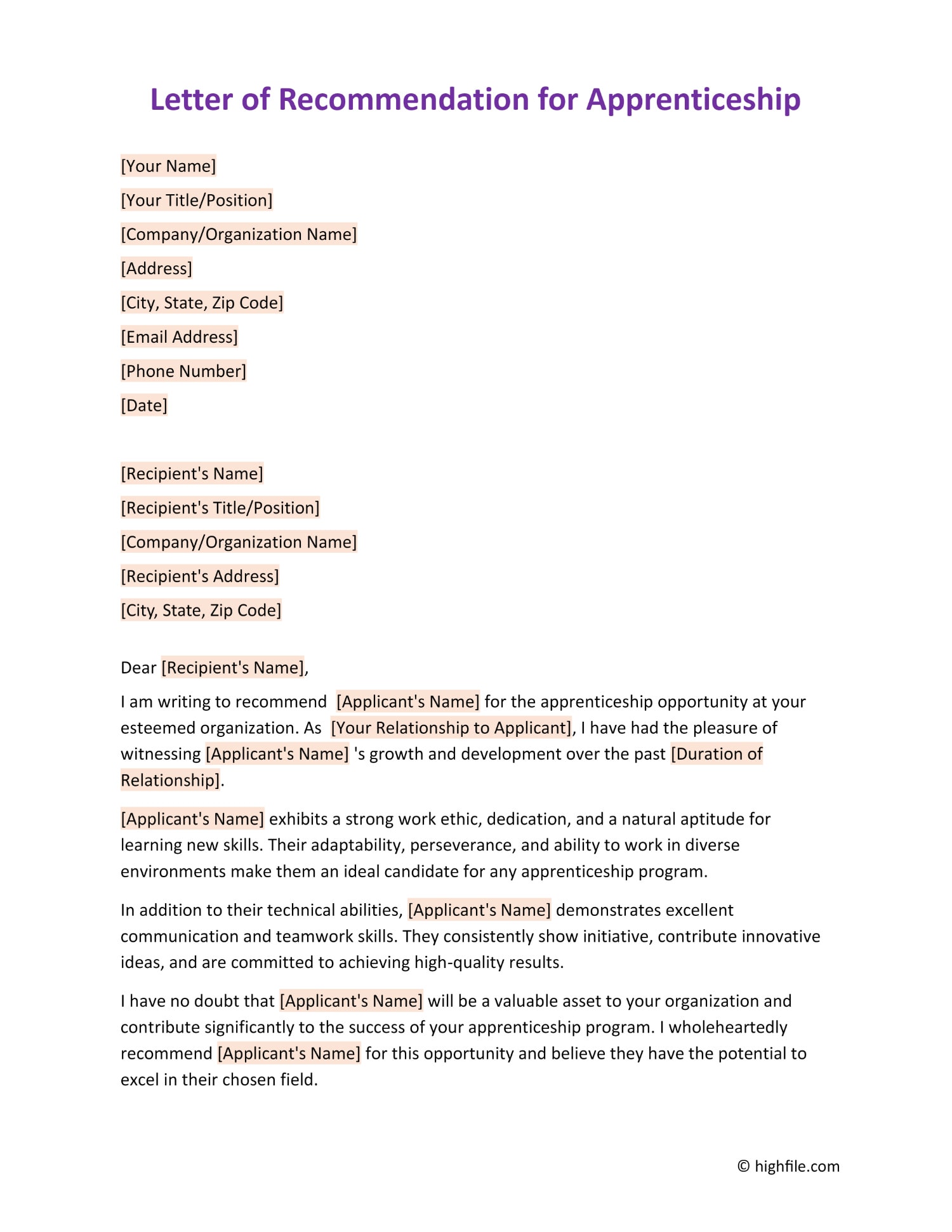
Endorsing a person for a role, a place, or an honour, written by someone whose word counts in that context.
Vouching for a person's character or reliability, often for a court, a landlord, or a prospective employer.
The opening letter of a job application, making the case for a candidate and written for the specific role.
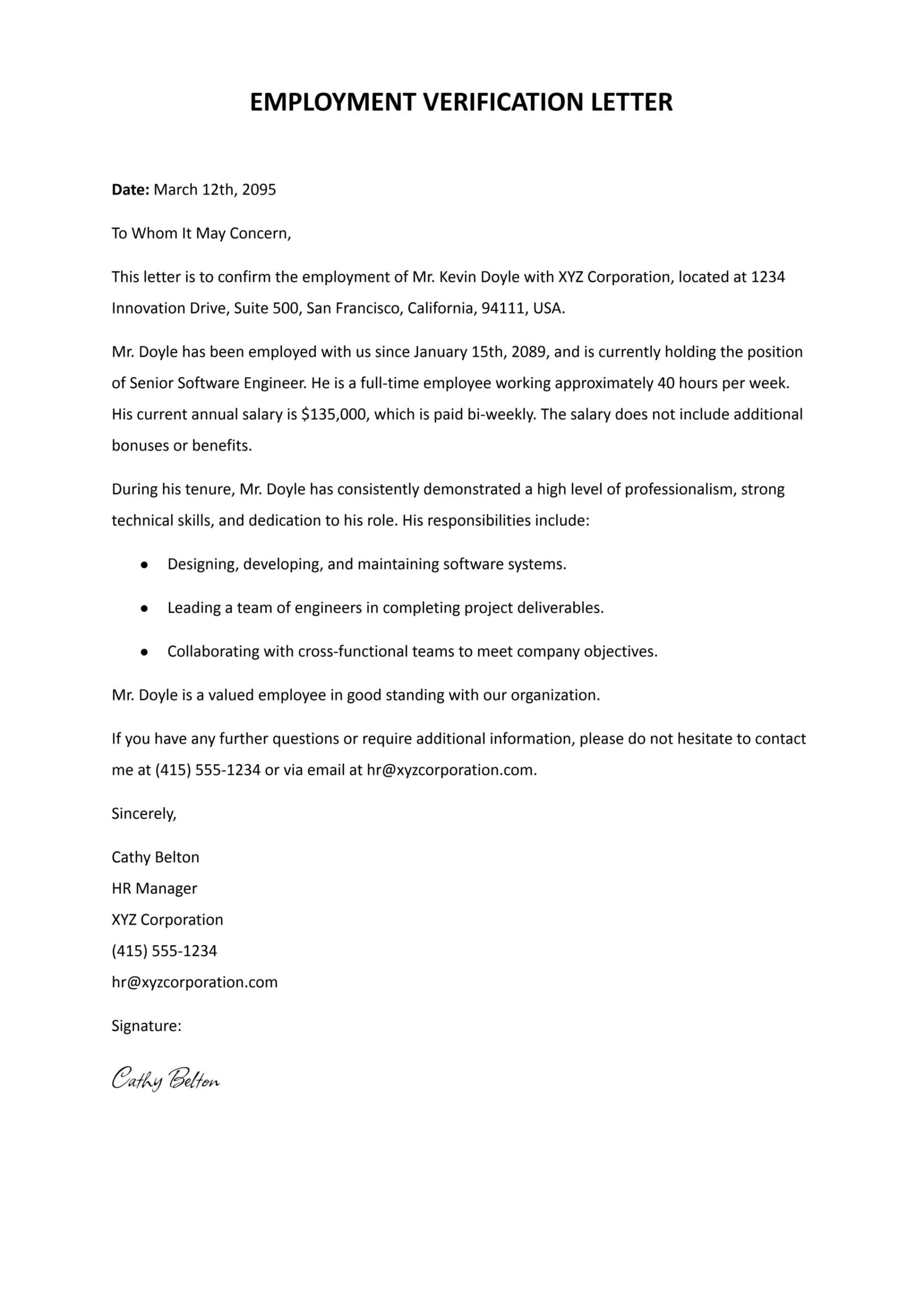
Confirming a fact about someone, most often their employment or income, for a visa, a rental, or a lender.
Confirming a need on someone's behalf, such as a letter for a service dog written by a licensed professional.
Making an official ask or statement, the kind of letter a reader is expected to file, answer, or act on.
Writing a formal letter
From choosing the right letter to one ready to sign and send.
Match the type to what you are doing, recommending a person, vouching for them, confirming a fact, or making a request. The right starting point already sets the tone and structure that situation expects.
Write to the person who will act on the letter, a hiring manager, a court, a landlord, since a formal letter is directed at a named reader rather than sent out generally. Who reads it shapes how you pitch it.
Tip — Where the letter speaks for an organisation, putting it on the sender's letterhead is often what makes a reader treat it as official rather than personal.
Open by making clear what the letter is and what you are asking the reader to do, so they know from the first lines how to read what follows.
Pitch the tone to who is reading and why, the warmth of a character reference differs from the precision of an employment verification. The right register is much of what makes a formal letter convincing.
Replace general statements with concrete detail, a named role, a date, a real example, since specifics are what make a reader trust the letter rather than skim past it.
End with a clear sign-off and the sender's name and title, so the reader knows exactly who stands behind the letter and how to reach them.
What makes a formal letter land
Across every kind of formal letter, the same things separate a convincing one from a forgettable one. The first is specifics. A reader trusts a letter that names a real role, a date, or a concrete example far more than one built on general praise that could describe anyone. The second is fit to the reader, a letter pitched to who is reading it and why reads as written for them, where a generic one reads as sent to a list.
The third is honesty in the register. A letter that overreaches, claiming more than the writer can stand behind, reads as less credible, not more, and a reader senses it. The strongest letters say what is true plainly, back it with detail, and stop there. Whatever you are writing, the same three hold. Be specific, write for the reader in front of you, and keep it honest.
FAQs
Which type of letter do I need?
It depends on what you are doing. Endorsing someone for a role or opportunity calls for a recommendation; vouching for their character calls for a reference; confirming a fact like employment calls for a verification letter; and applying for a job calls for a cover letter. The collection covers each, so you can match the letter to the purpose.
What is the difference between a recommendation and a reference letter?
A recommendation endorses a person for something specific, a job, a school, an award, and speaks to their fitness for it. A reference vouches for their character or reliability more broadly, often for a court, a landlord, or a general check. The two overlap, but the audience and the purpose usually decide which you need.
Should a formal letter be on letterhead?
When the letter speaks for a company or an official role, yes, letterhead is often what makes a reader treat it as authentic rather than personal. A character or personal reference written by an individual does not need it, though a clear signature and contact details still matter.
How long should a formal letter be?
Long enough to make its case and no longer, usually a single page. A reader acting on a letter wants the purpose, the specifics behind it, and a clear close, so one focused page reads as more considered than a letter padded to fill space.
What makes a formal letter convincing?
Concrete detail. A letter that names a real role, a date, or a specific example reads as written by someone who knows the person or the facts, which is what earns a reader’s trust. General praise that could apply to anyone is what makes a letter easy to dismiss.