
Free Letter of Recommendation Templates
A recommendation letter asks the reader to trust the writer’s judgment as much as the candidate’s record, so who writes it and how specifically they write matter as much as the praise. These letter of recommendation examples show how a credible endorsement is built, the writer’s standing, the strengths that fit the opportunity, and the specific moments that make the praise believable. Read the ones nearest your situation to see how a strong letter reads, then write your own along the same lines.
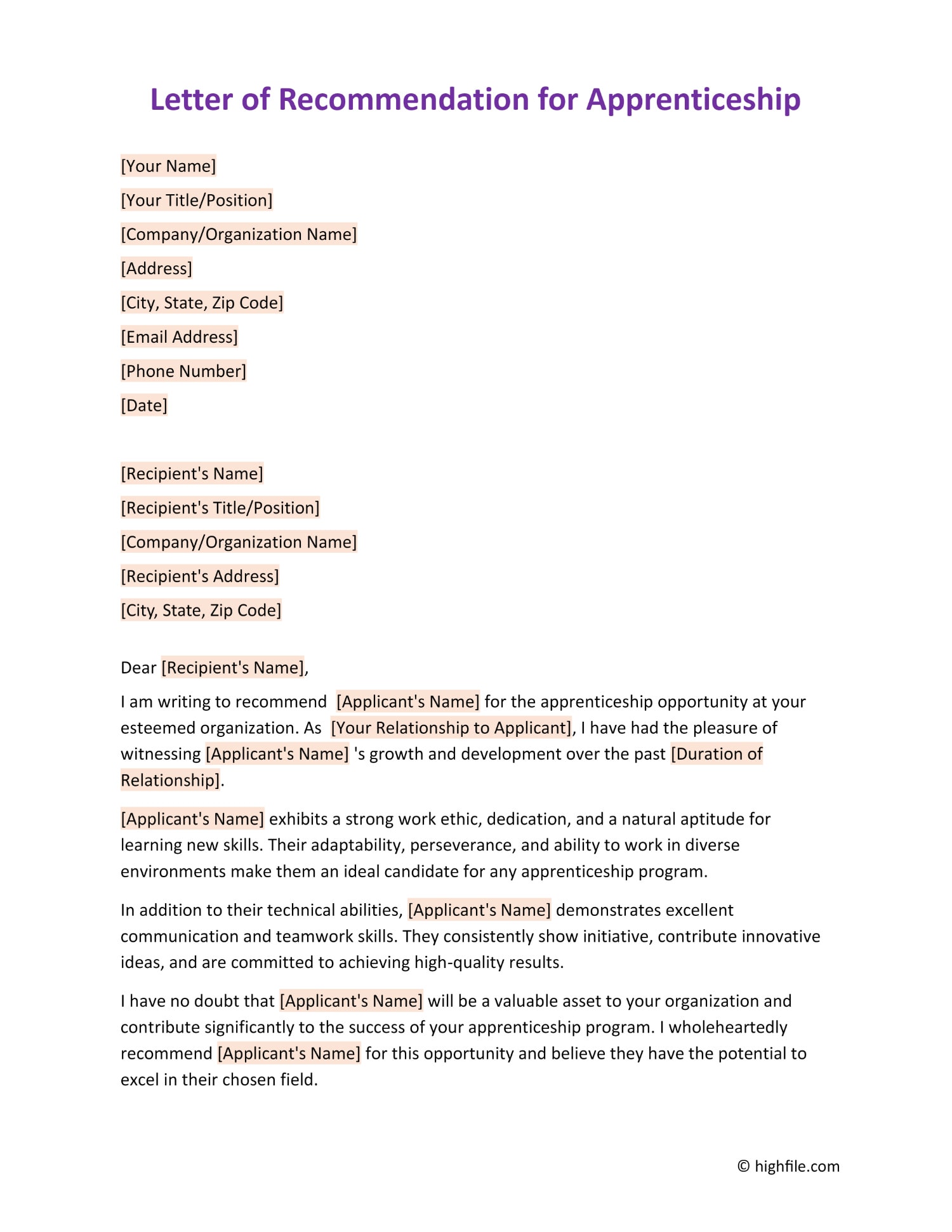





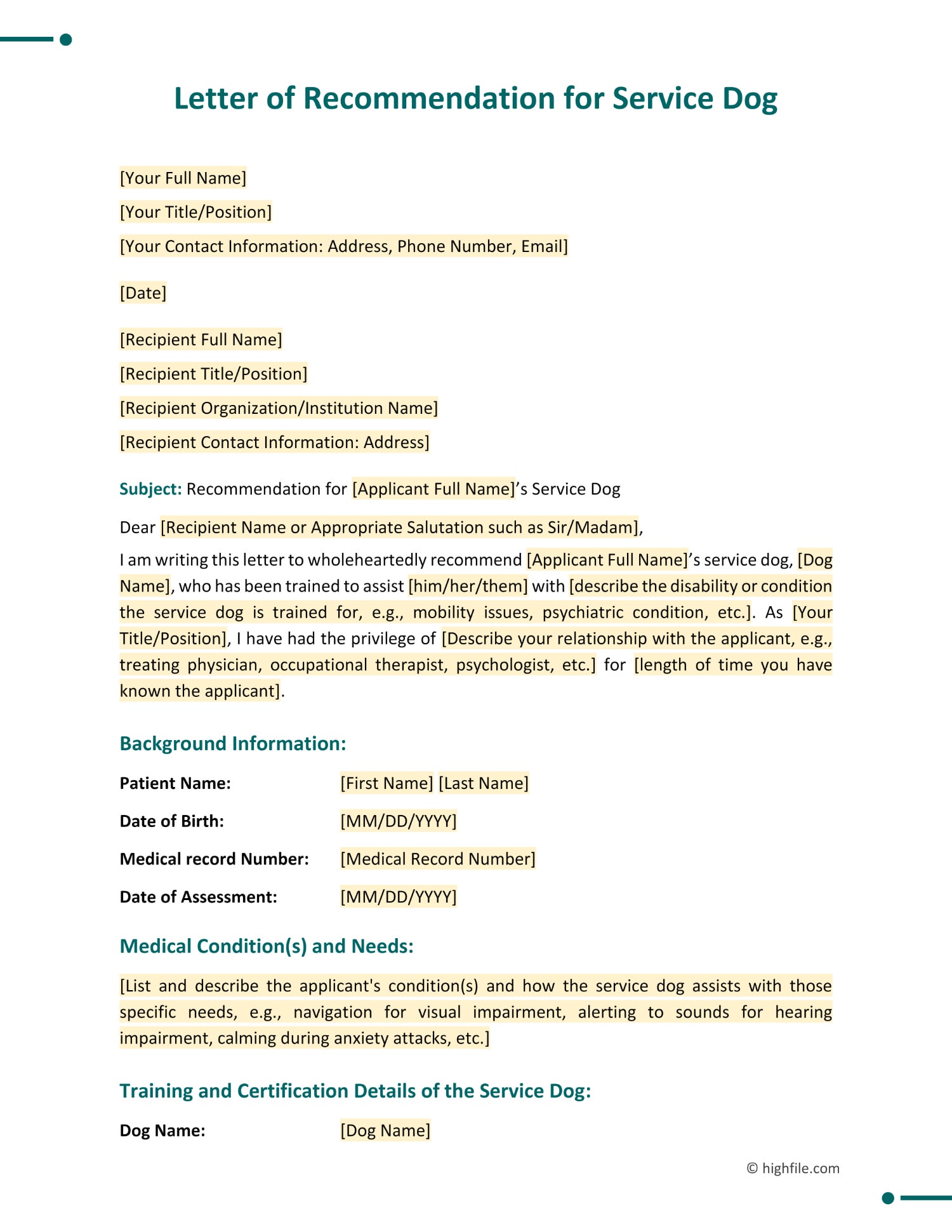


A recommendation letter works by lending the writer’s credibility to the candidate. When a manager, teacher, or mentor states that someone is capable, the reader is trusting that judgment, which is why the letter has to establish who the writer is and on what basis they can speak before the praise will land. A recommendation from someone close to the candidate’s work, who can point to real examples, does more than a senior name who can only speak in generalities.
The strongest recommendations persuade through specifics rather than adjectives. Telling a reader that a candidate is dedicated asks them to take it on faith; describing a moment when that dedication showed, and what came of it, gives them the evidence. The examples here cover recommendations for jobs, academic places, awards, adoption, and roles in fields like law enforcement and teaching, each emphasising the qualities that matter for that opportunity. Read the one closest to yours to see how it makes its case, then adapt the strengths and examples to the person you are writing for.
Worth knowing: Be plausible. A letter that makes a candidate sound flawless reads as less credible, not more, and a reader who has read many will discount it. Naming genuine strengths in specific terms, and not overstating, is what gives a recommendation its weight.
What's in a letter of recommendation
The parts that turn praise into a credible endorsement.
Who the writer is and how they know the candidate, the basis that tells a reader why this endorsement is worth weighing.
The length and closeness of the relationship, since a reader trusts a judgment formed over time and at close range more than a passing acquaintance.
The qualities that fit this specific opportunity, chosen to match what the reader is looking for rather than listing every virtue.
A real moment or two showing the strengths in action, the evidence that makes the praise believable instead of generic.
An explicit statement of how strongly the writer recommends, from a full endorsement to one given with noted reservations, so the reader is not left guessing.
A confident final line, the writer's name and title, and a way to reach them, so the reader knows who stands behind the letter.
Writing a recommendation that persuades
What turns general praise into an endorsement a reader believes.
Only write a recommendation you can give wholeheartedly. A reader senses a lukewarm endorsement, and a hesitant letter can hurt a candidate more than no letter at all.
State who you are, how you know the candidate, and for how long. This is what lets the reader weigh your judgment, so it belongs near the top rather than buried later.
Read what the role, school, or award is looking for, then lead with the candidate's qualities that fit it. The qualities that recommend someone for a teaching post are not the ones that matter for a research award.
For each strength, describe a real thing the candidate did, what came of it, and why it mattered. "Restructured delivery across four projects and met the client deadline" persuades where "hardworking" does not.
Tip — Replace soft descriptors like reliable or dedicated with the moment that proves them. A reader remembers the example, not the adjective.
Say how strongly you recommend the candidate in clear terms. An explicit endorsement reads as confident; trailing off without one leaves the reader unsure how much you meant it.
Hold the letter to a single page of the most relevant points, then read it twice. One page signals focus and respect for the reader's time, and a clean letter reflects well on the candidate.
Turning a weak line into a strong one
What separates a forgettable recommendation from a convincing one is specifics. Compare two versions of the same point. The weaker reads: “Sarah is a dedicated team leader who is great with her colleagues.” It is positive, but it could describe anyone, and a reader has no way to test it.
The stronger version names a moment: “When two projects fell behind, Sarah took over as team lead, restructured delivery across four workstreams, and brought the original client deadline back on track.” It gives the reader an action, a result, and a sense of the impact, which is what makes the praise believable. Apply the same move to every quality you raise. Name what the person did, what came of it, and why it mattered, and let the example make the point rather than the adjective.
FAQs
What is the difference between a recommendation and a reference letter?
A recommendation endorses a person for a specific opportunity, a job, a school, an award, and argues they are well suited to it. A reference vouches more broadly for character or reliability, often for a court, a landlord, or a general check. If you are backing someone for a particular role, you want a recommendation.
Who should write one?
Someone whose judgment the reader will respect and who knows the candidate well enough to be specific, a manager, teacher, supervisor, or mentor. Direct knowledge counts for as much as seniority. A writer who can cite real examples persuades more than a senior name who can only speak in generalities.
What makes a recommendation strong?
Specific evidence tied to the opportunity. A strong letter establishes how the writer knows the candidate, picks the strengths that fit the role, and shows each with a real moment and its result. General praise that could describe anyone is what makes a letter forgettable.
What if I have reservations about the candidate?
An honest letter can note them, and a recommendation that ignores every shortcoming reads as less credible. State the genuine strengths in specific terms and qualify where you must. If you cannot recommend the person at all, it is fairer to decline than to write a letter that damns with faint praise.