
Note Templates
A good note is one someone can read later, often in a hurry, and act on without guessing what the writer meant. A note might record a patient’s status, a meeting’s decisions, or a project’s progress, and, the value is in catching the right details right the first time. These note templates give a consistent structure for that, so what you write stays organized and easy to follow. Find the kind of note you need and start from a format built for it.
 ×
× ×
× ×
×


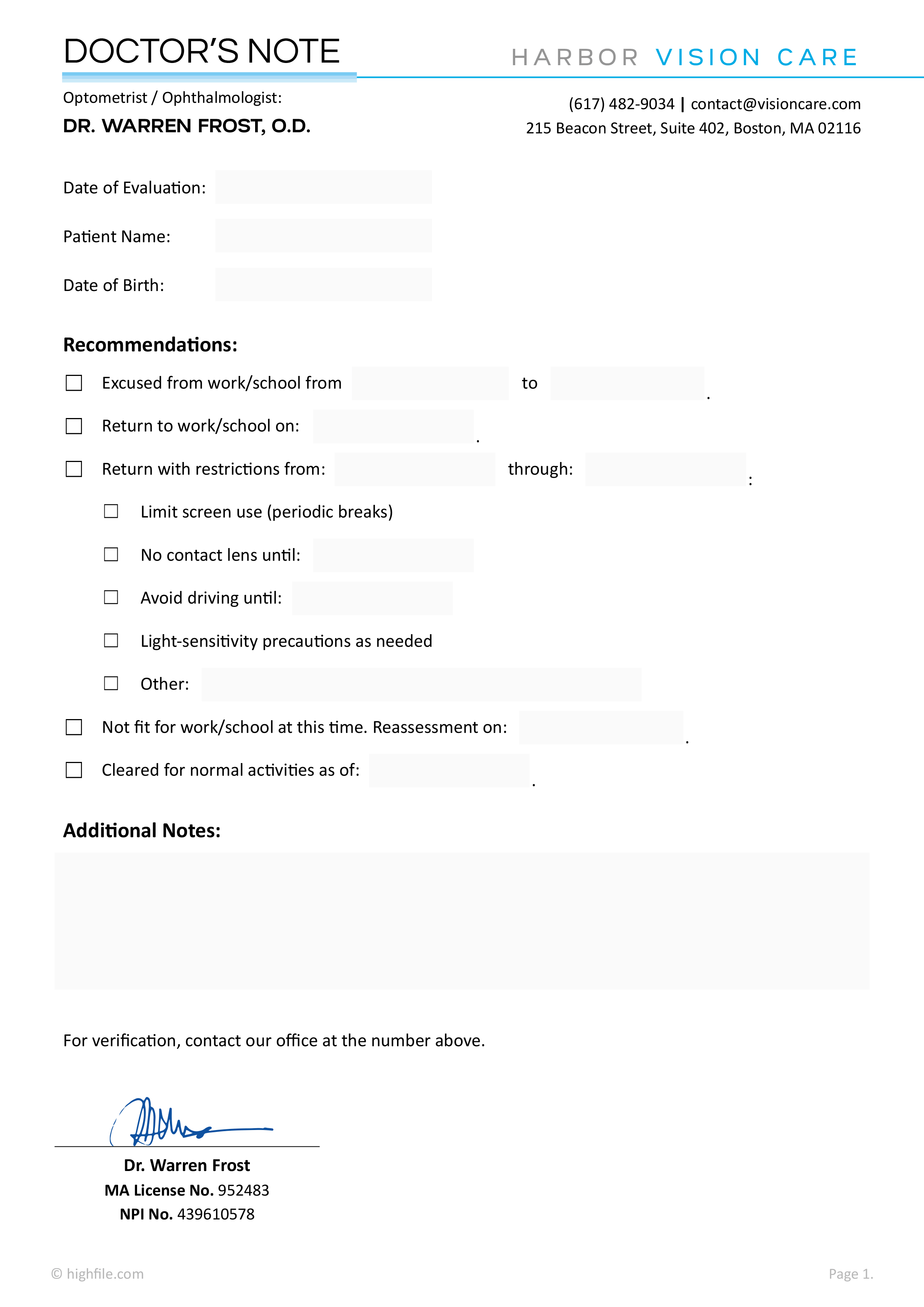


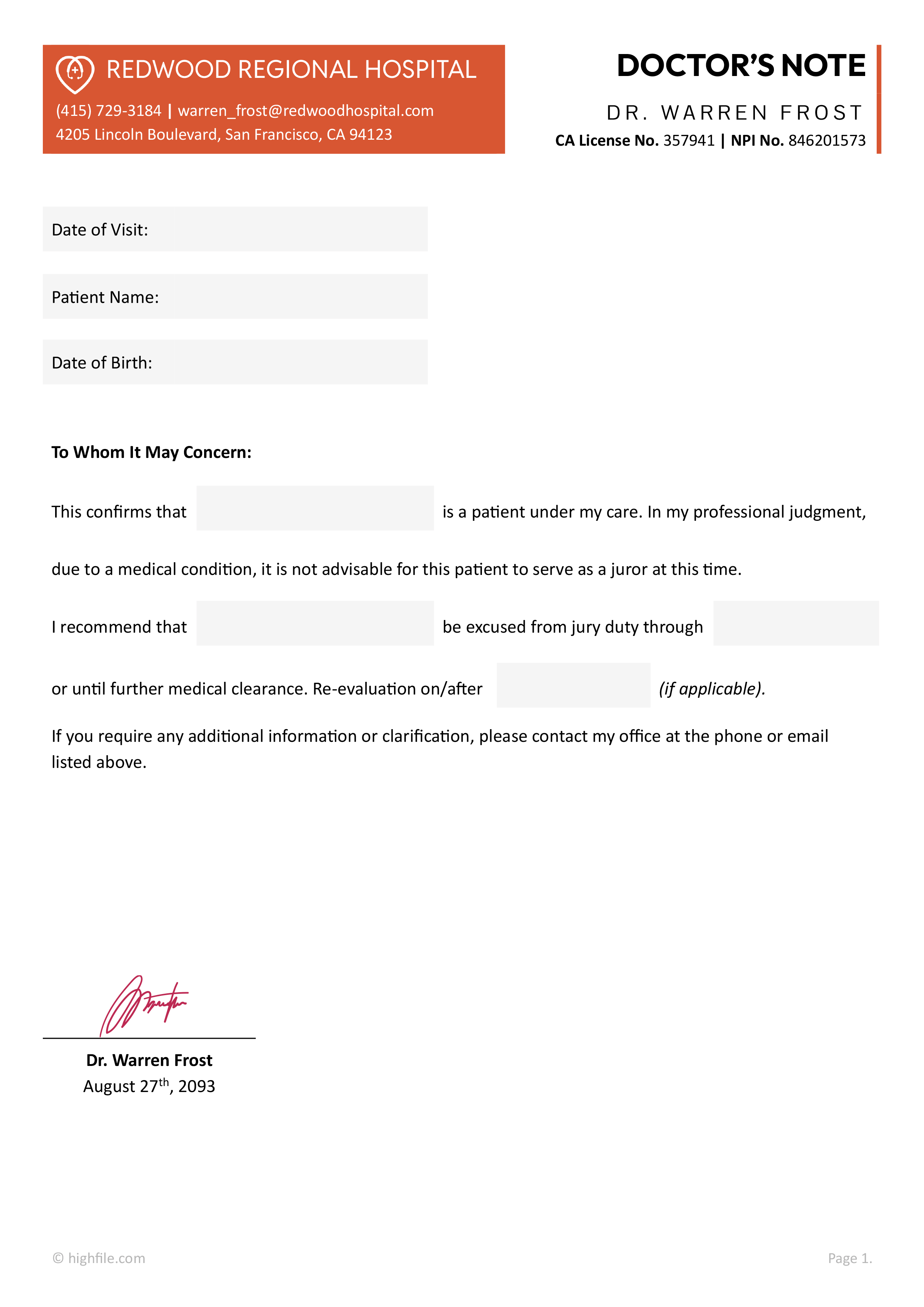
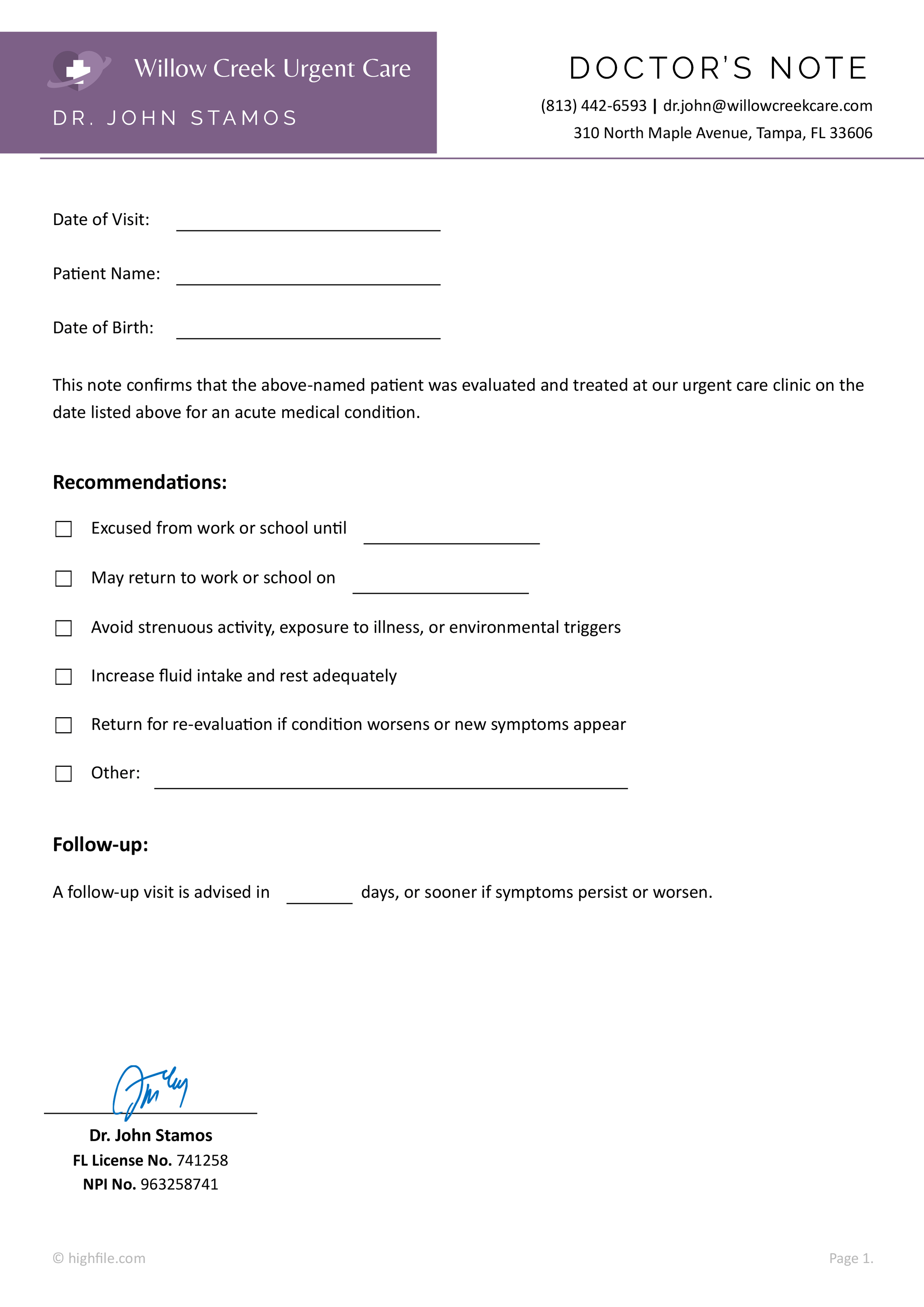
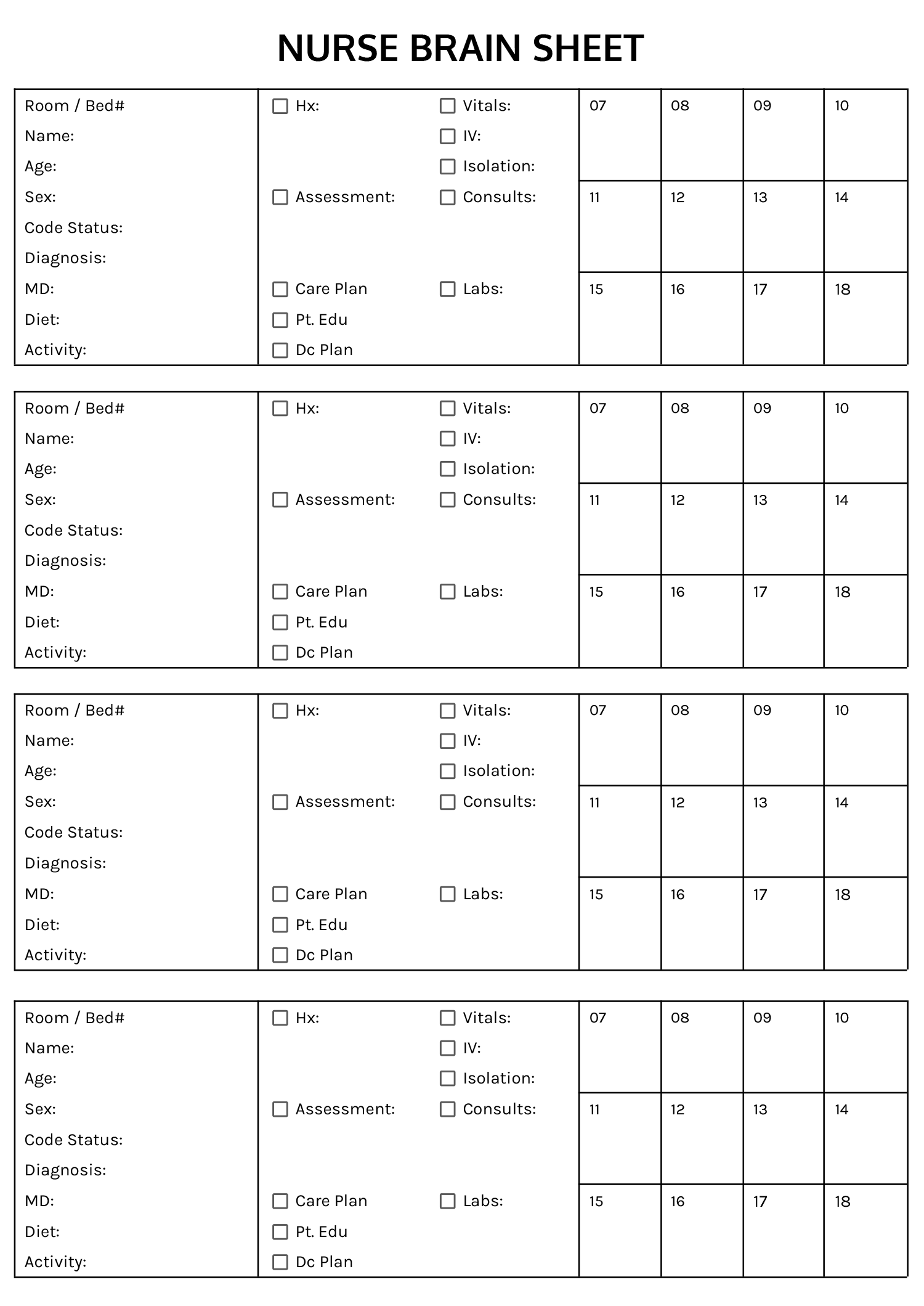
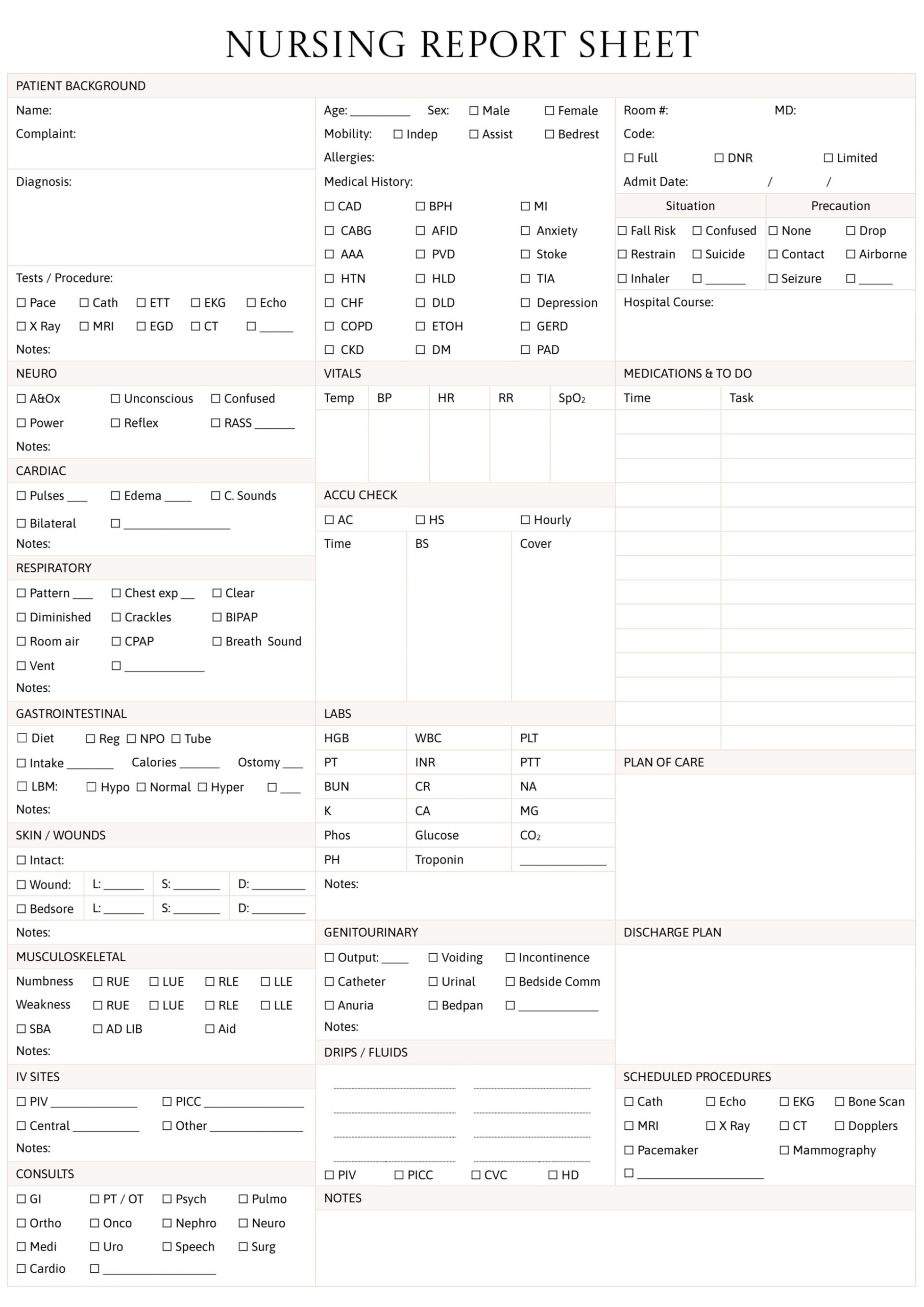


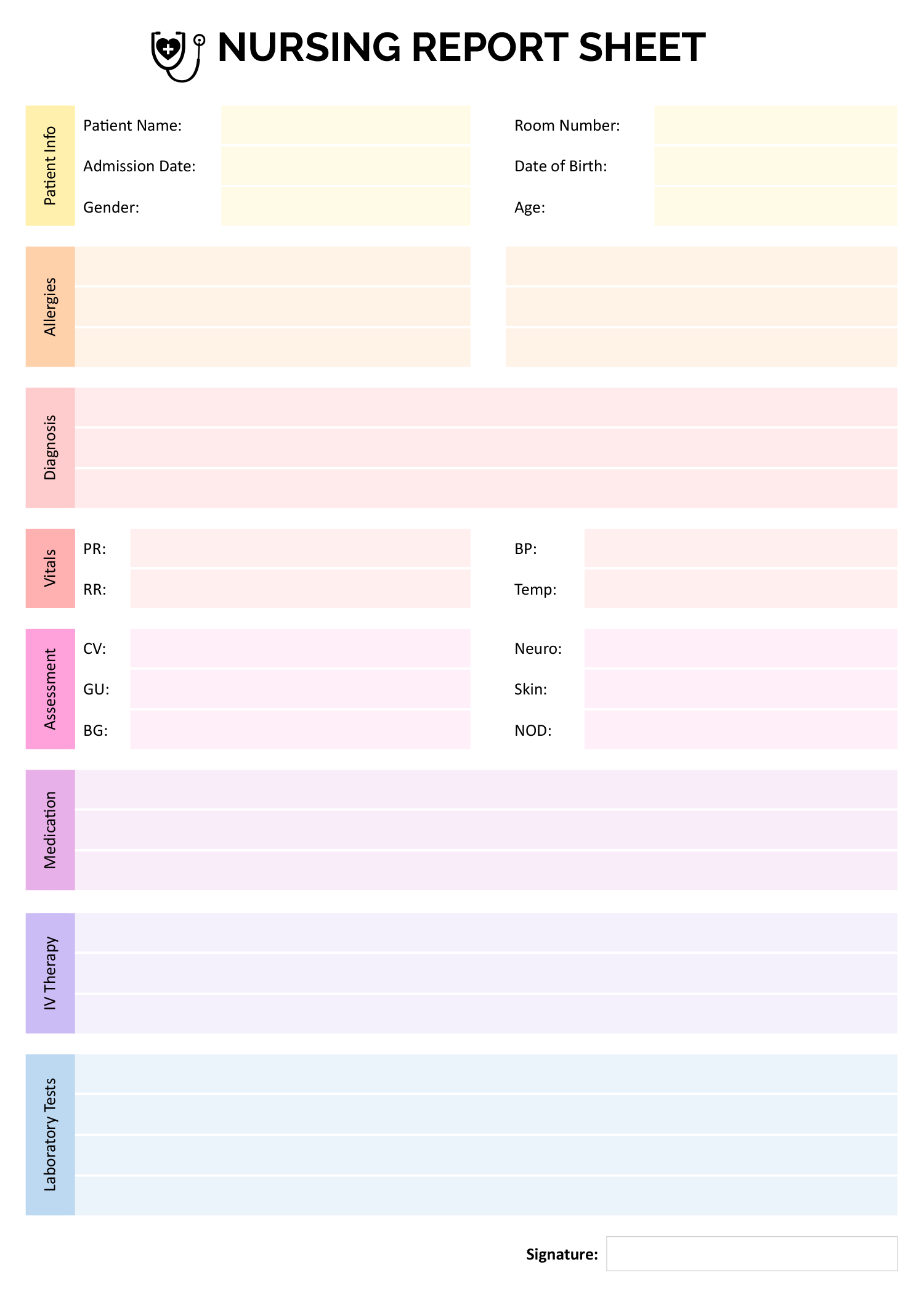
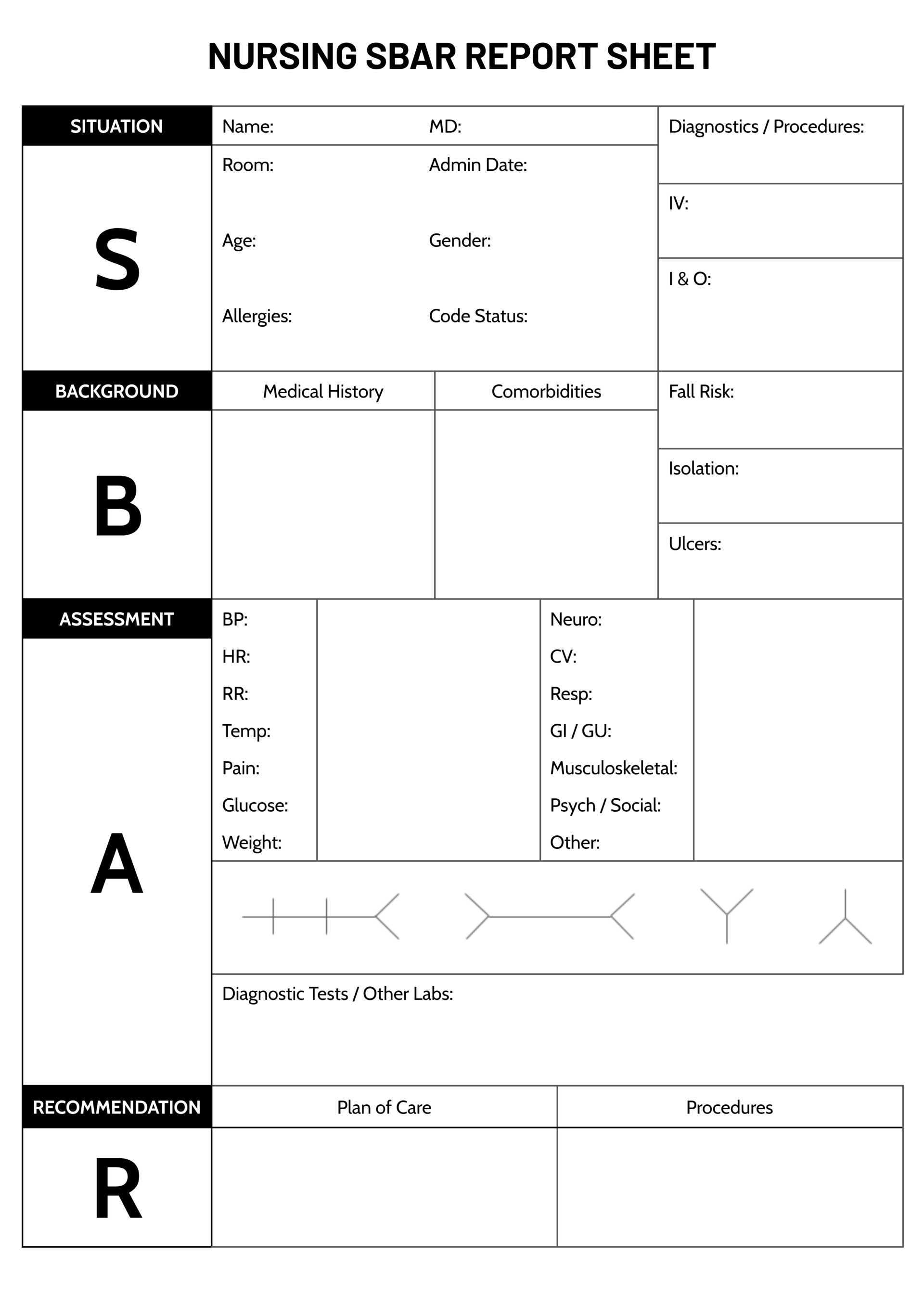


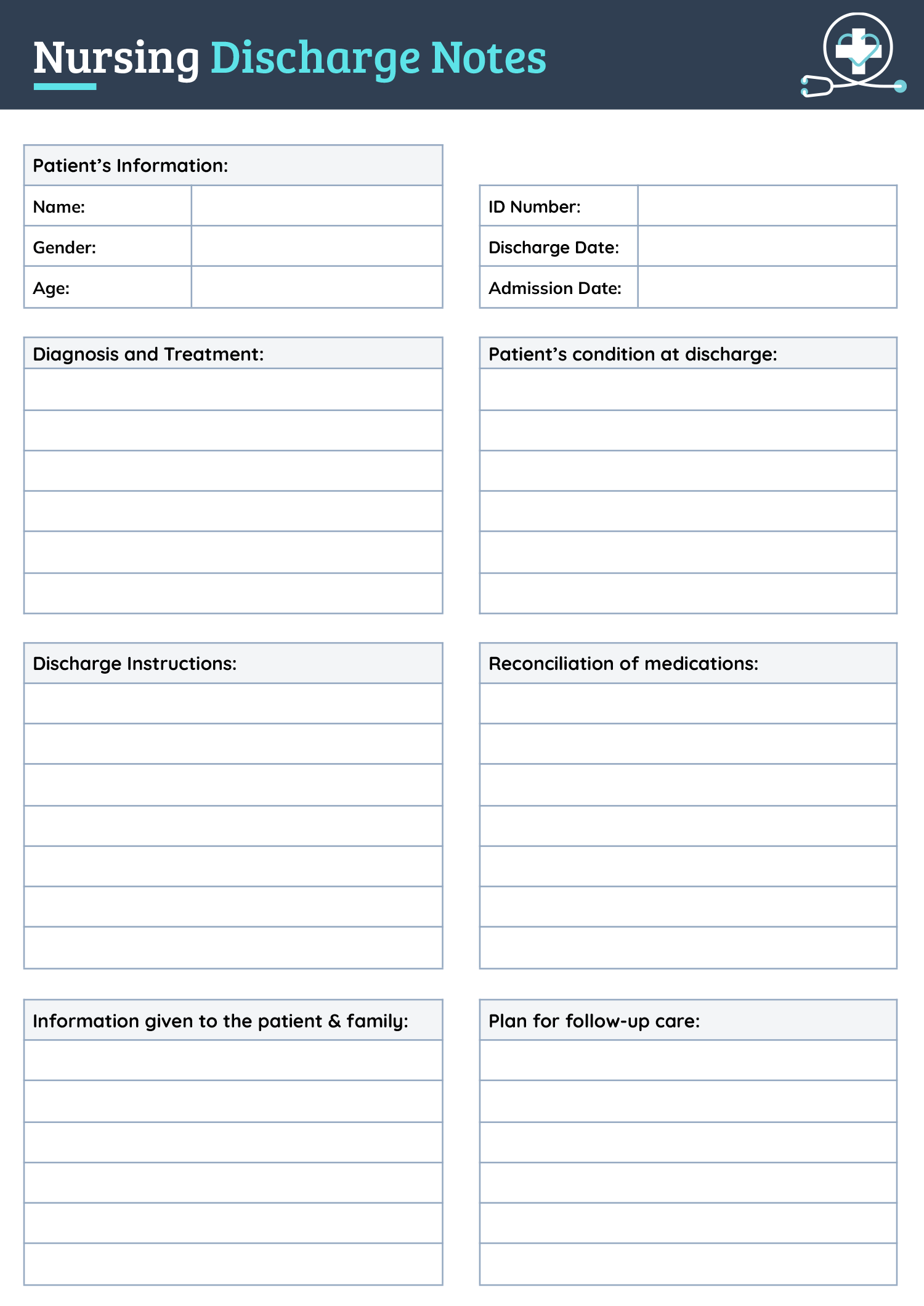
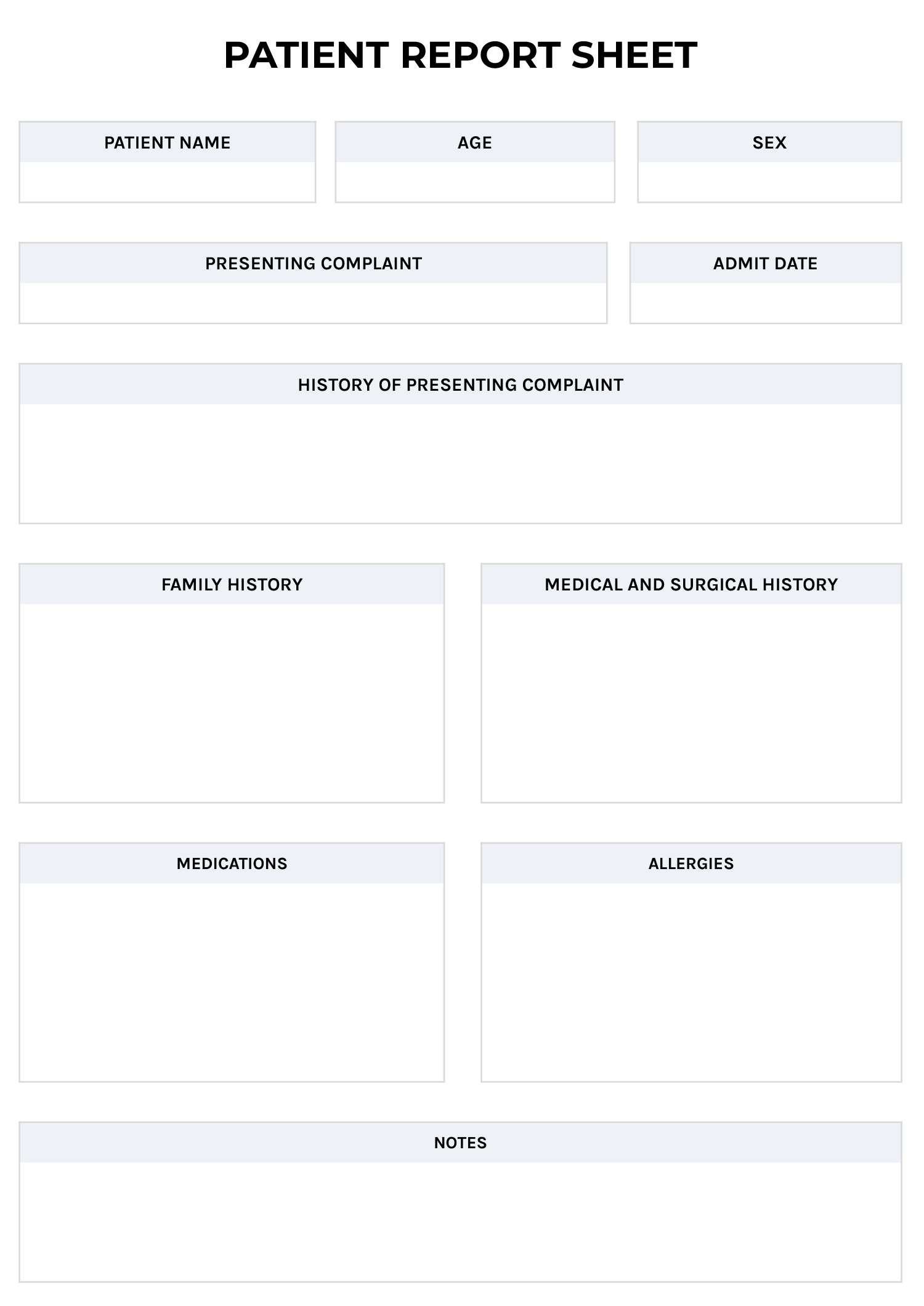
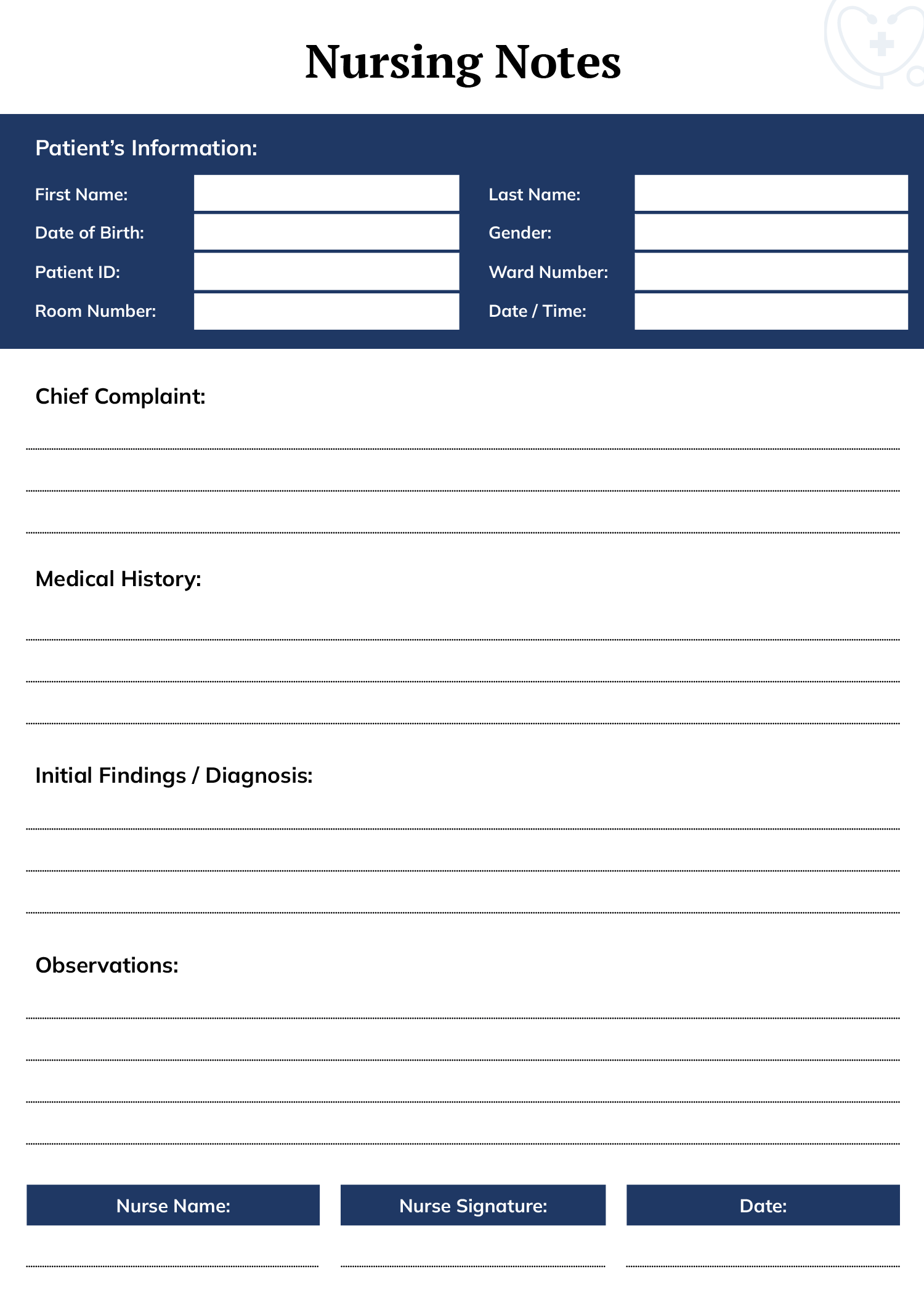
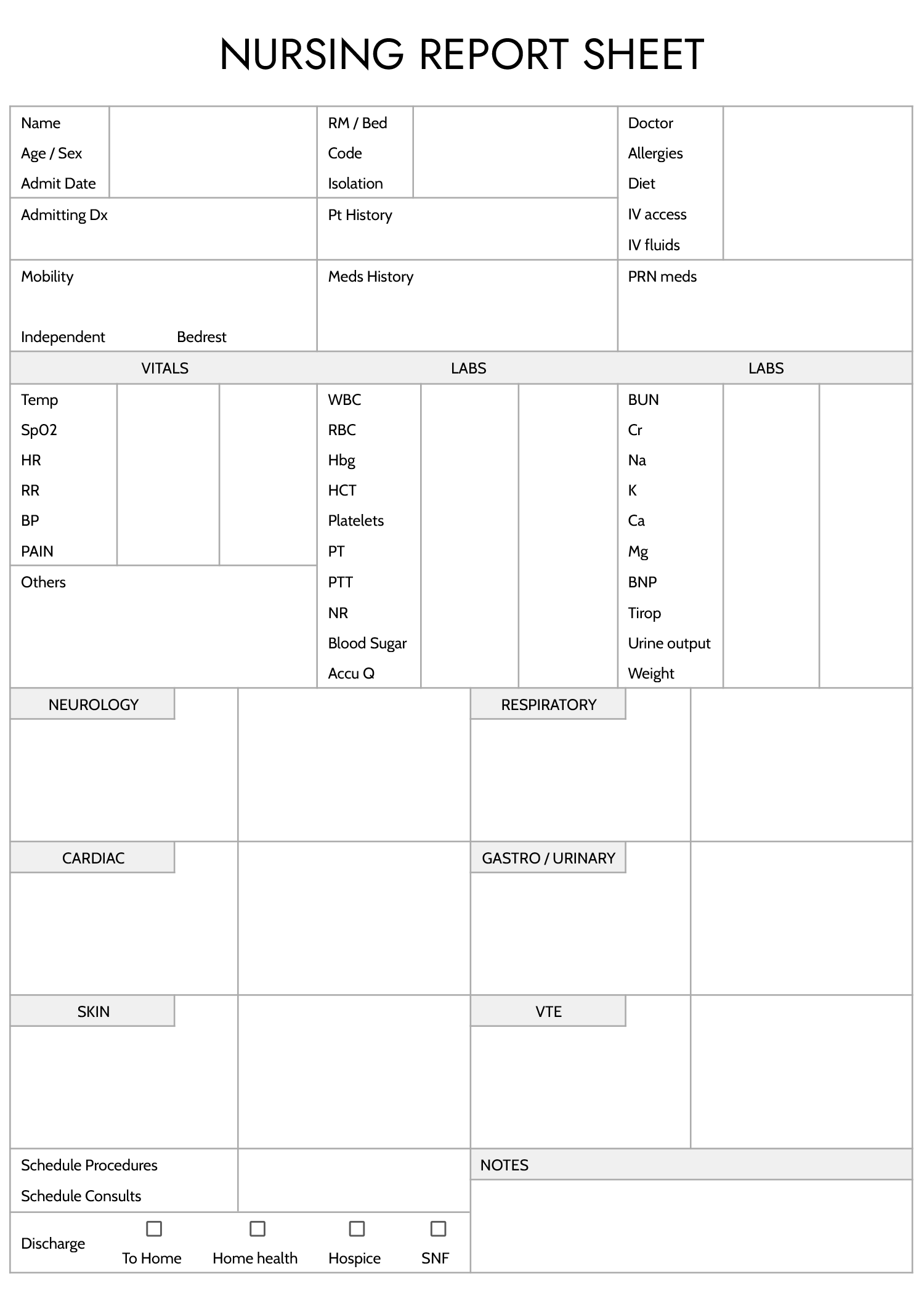


The point of writing a note is to take what was in your head, or in front of you, and put it somewhere it can be relied on after the moment has passed. A nurse handing off a shift, a doctor recording a visit, someone capturing what a meeting decided, each is trusting that the note will still make sense to a reader who was not there. That depends less on how much is written than on what is captured and how it is laid out.
These note templates give that structure across the kinds of notes people keep. Each is organized so the important information has a place and a reader can scan it fast, which is what separates a note that gets used from one that gets rewritten. The range covers clinical notes that follow recognized documentation methods, progress and report notes for tracking a situation over time, and general-purpose formats for meetings and study. The structure handles the layout so your attention stays on getting the substance right.
What this collection covers
The kinds of notes these templates span, and what each is for.
Formats that follow recognized methods like SOAP, for recording a patient's status in a way other clinicians can read and act on.
Running records that track how a situation changes across visits, shifts, or sessions, so the history stays in one place.
Structured sheets for passing information from one person to the next, built so nothing important is lost in the transfer.
Formats for recording an evaluation or examination, separating what was observed from the judgment drawn from it.
General formats for capturing decisions, action items, and discussion so they can be referred back to with confidence.
Open formats for lectures, reading, and everyday note-taking, keeping key points ordered and easy to review later.
Working with a note template
From choosing the right format to a note someone else can use.
Start from the note that matches the situation, a SOAP note for a clinical assessment, a report sheet for a handoff, a progress note for tracking over time. The format already orders the information that kind of note needs.
Fill in what you observed, plainly and specifically, separating what you saw from what you concluded. A note is most useful when a reader can tell the observation from the interpretation.
Write so someone who was not there can follow it, with the timeline and key details in order. The reader is often working fast, so structure does more than length.
Concrete entries do more than vague ones, an exact figure, time, or quote tells the next reader more than a general impression. Specifics are what make a note worth keeping.
Record when the note was made and who made it, since a note's value as a record depends on knowing when and by whom it was written.
Hold an editable version for ongoing notes and a fixed copy for the record. Each template lists the formats shown on its card, so you can keep it the way the setting calls for.
FAQs
What kinds of notes does this collection include?
It spans clinical notes that follow methods like SOAP, progress and report notes for tracking and handoffs, and general-purpose formats for meetings and study. Find the kind you need and start from a format built for it.
What is a SOAP note?
SOAP is a widely used way to organize a clinical note into four parts: Subjective (what the patient reports), Objective (what the clinician measures or observes), Assessment (the clinical judgment), and Plan (the next steps). The structure keeps a note consistent and easy for another clinician to read. Several templates here follow it.
Can I adapt a note template to my own setting?
Yes. The headings, fields, and layout are all editable, so you can match a template to how your team or practice records information. The structure gives you a sound starting point rather than a fixed form.
How do I choose the right note format?
Start from what the note is for. To record a clinical visit, a SOAP or progress note fits; to hand off to the next person, a report sheet; to record a meeting, a general note format. Once the purpose is clear, the format follows.