
List Templates
Writing something down is the simplest way to stop carrying it in your head, and a list is the form that takes. These list templates cover the range of jobs a list does, noting what to remember, organizing what you have, tracking what is done, and planning what comes next, each with a shape suited to the kind of list it is. Pick the one that matches what you are trying to keep track of and start filling it in.
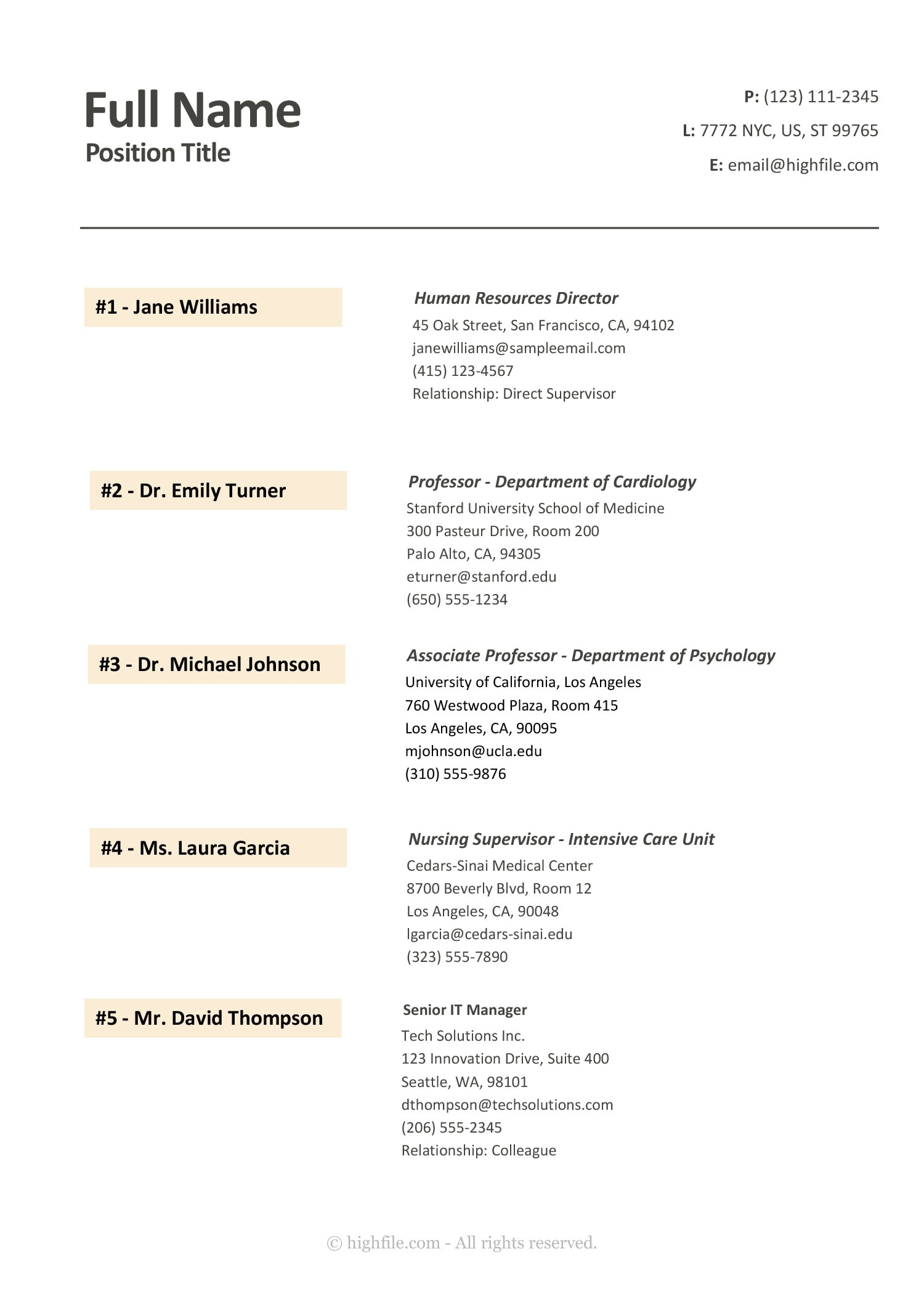


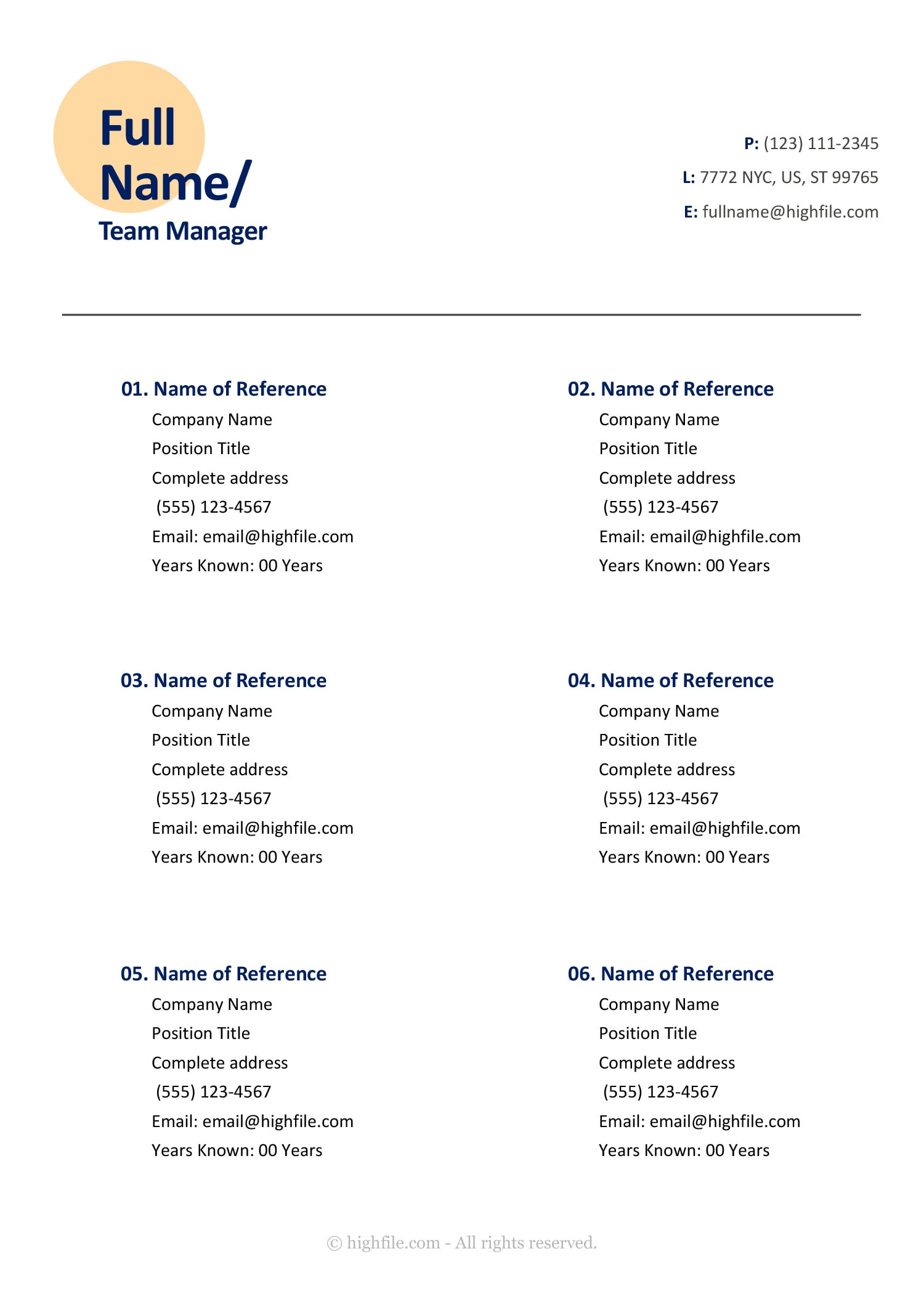
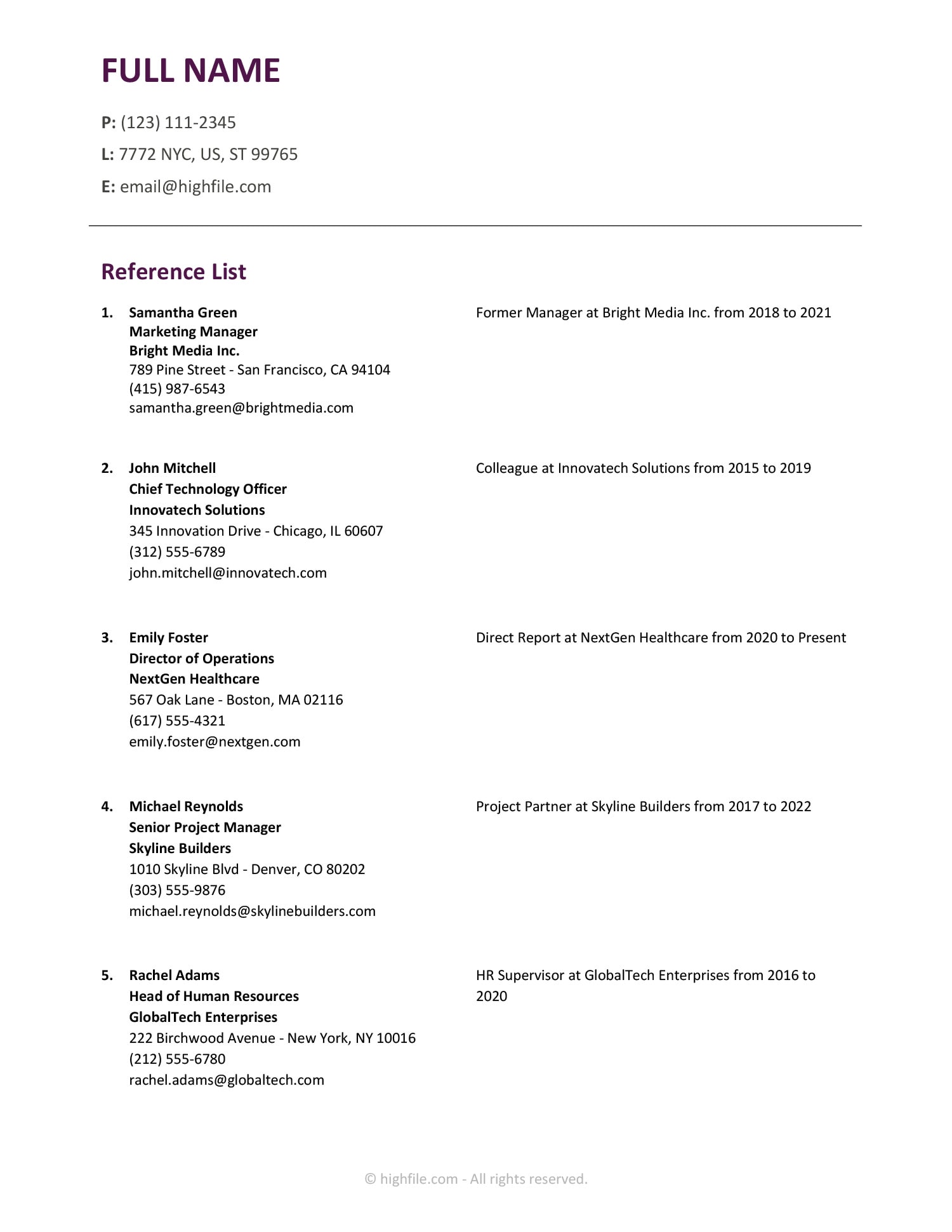






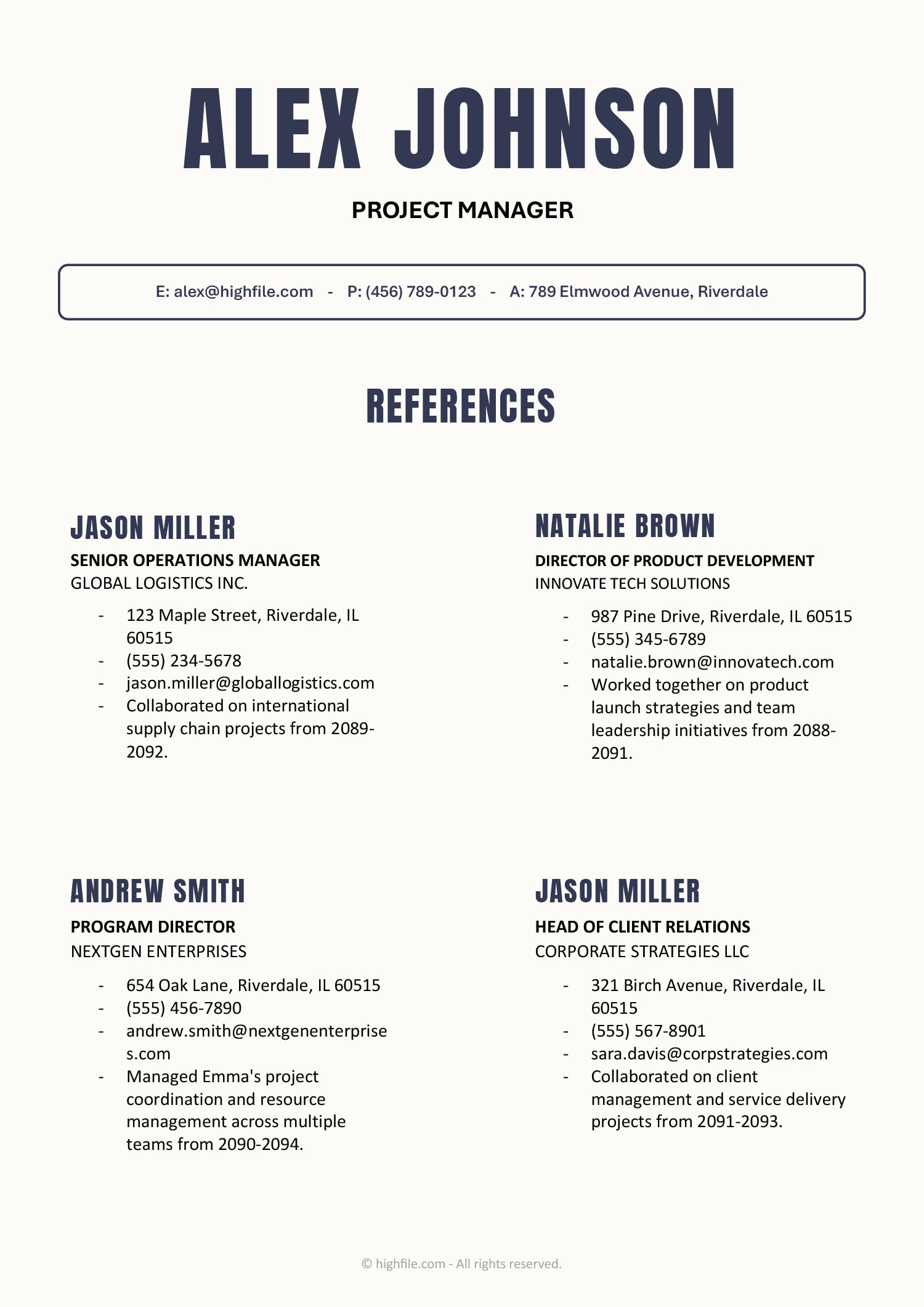


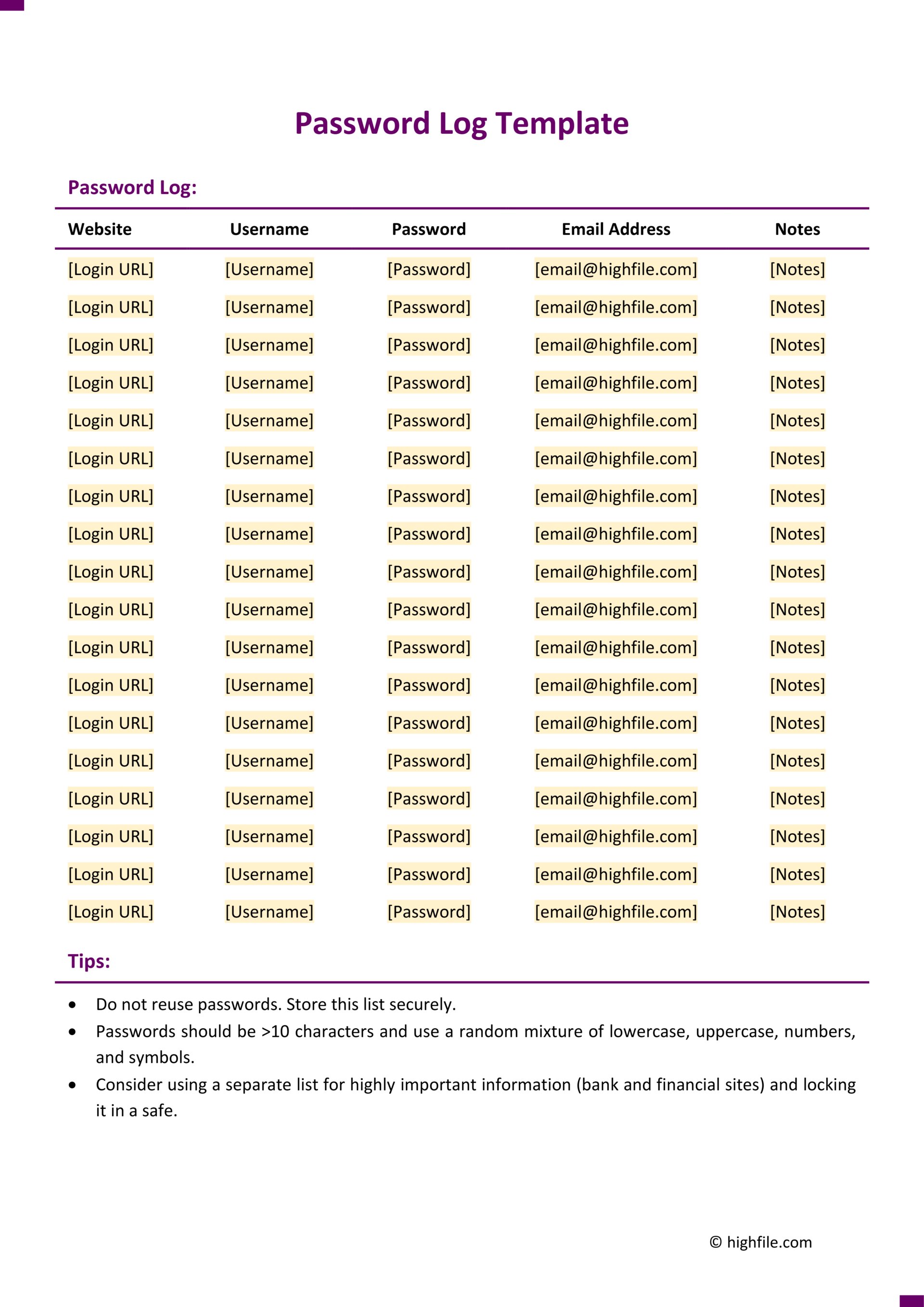

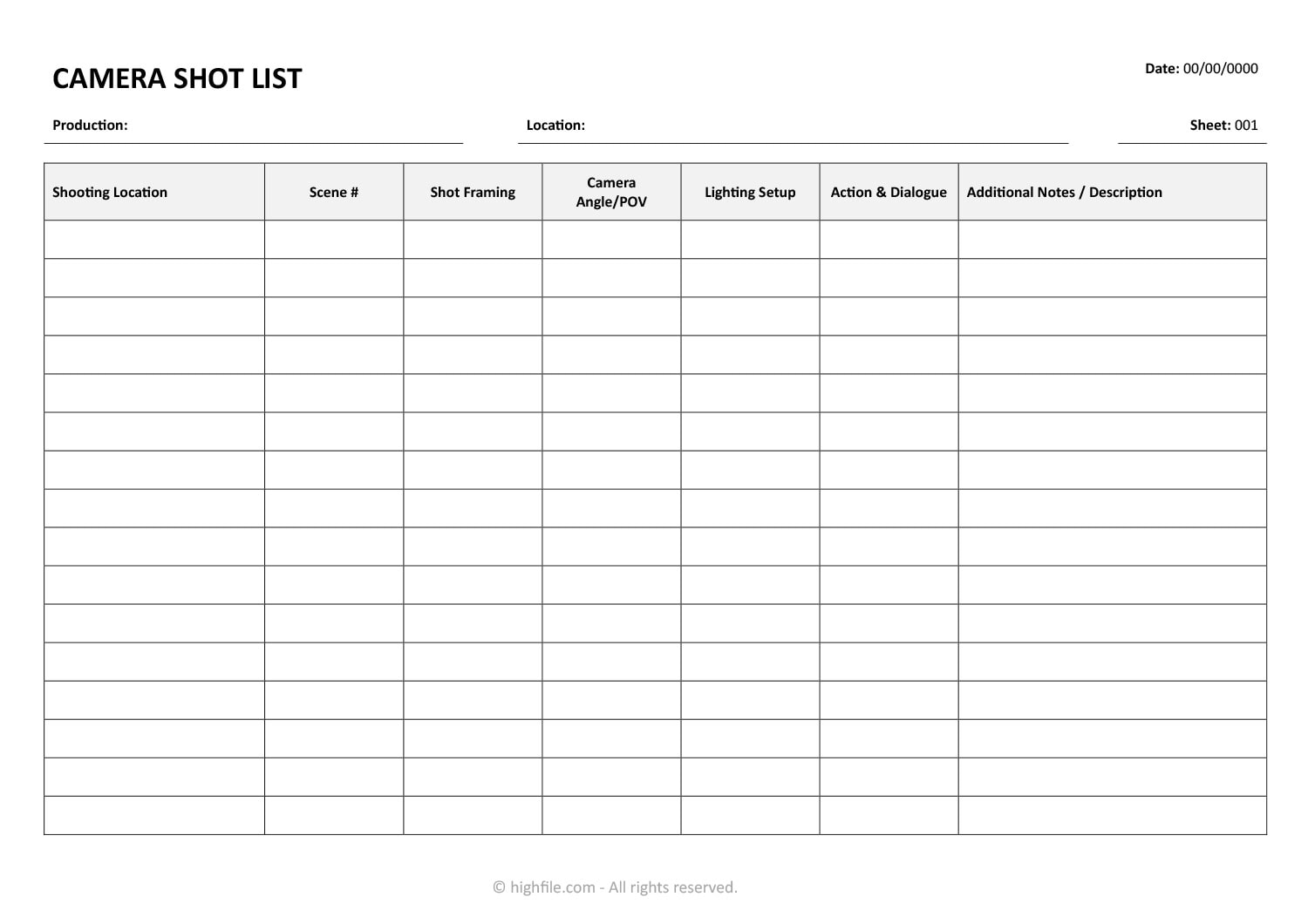
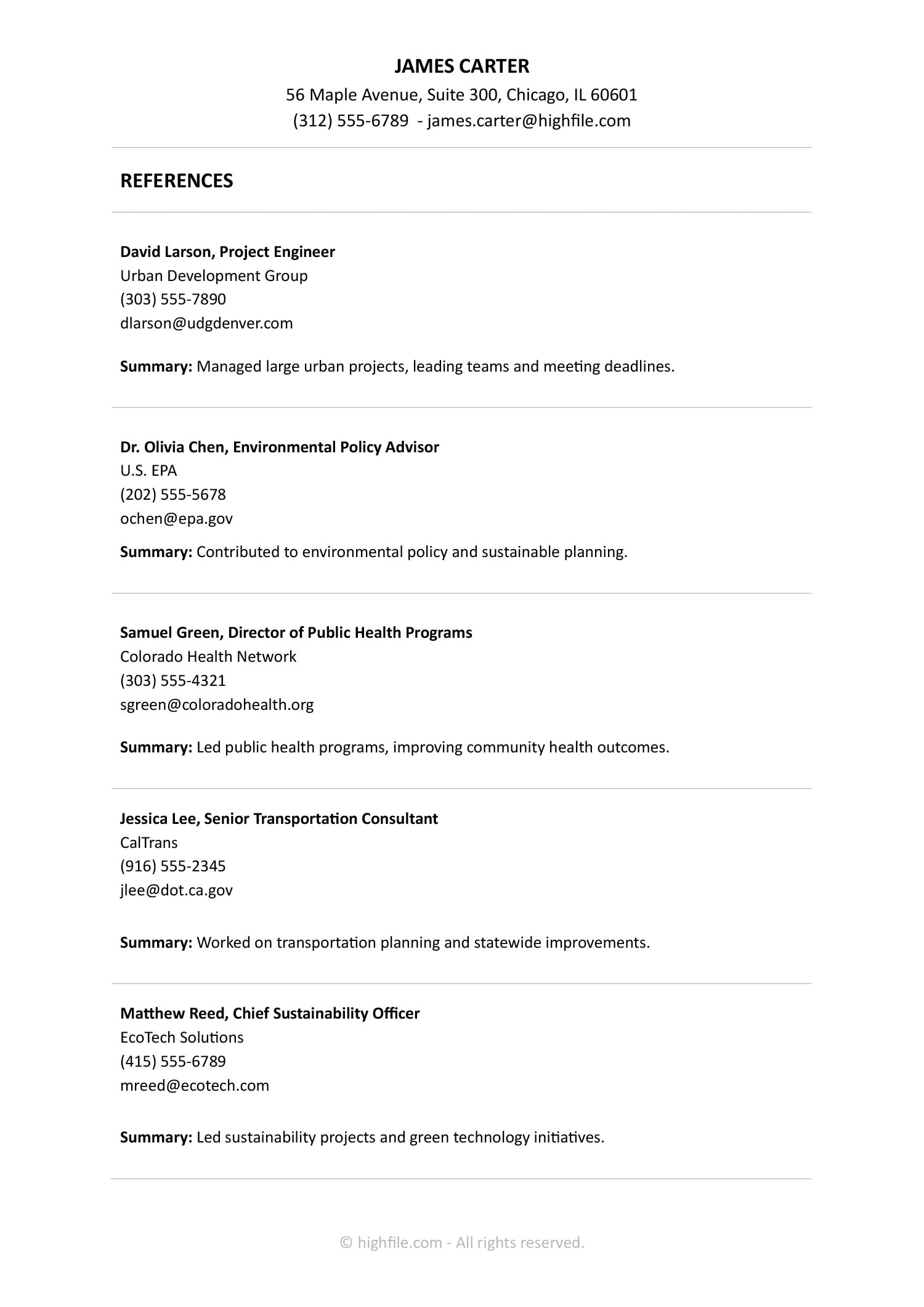


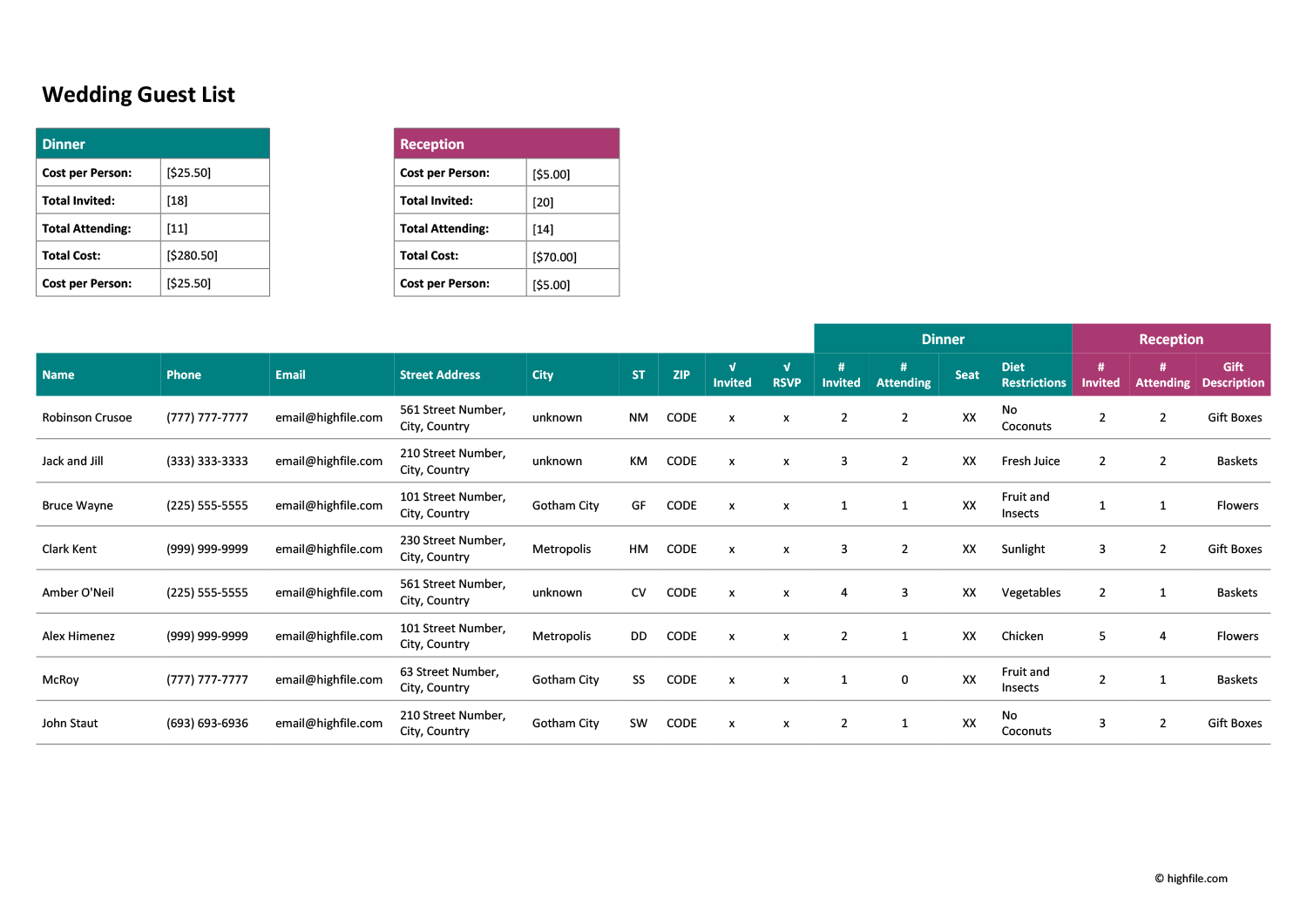

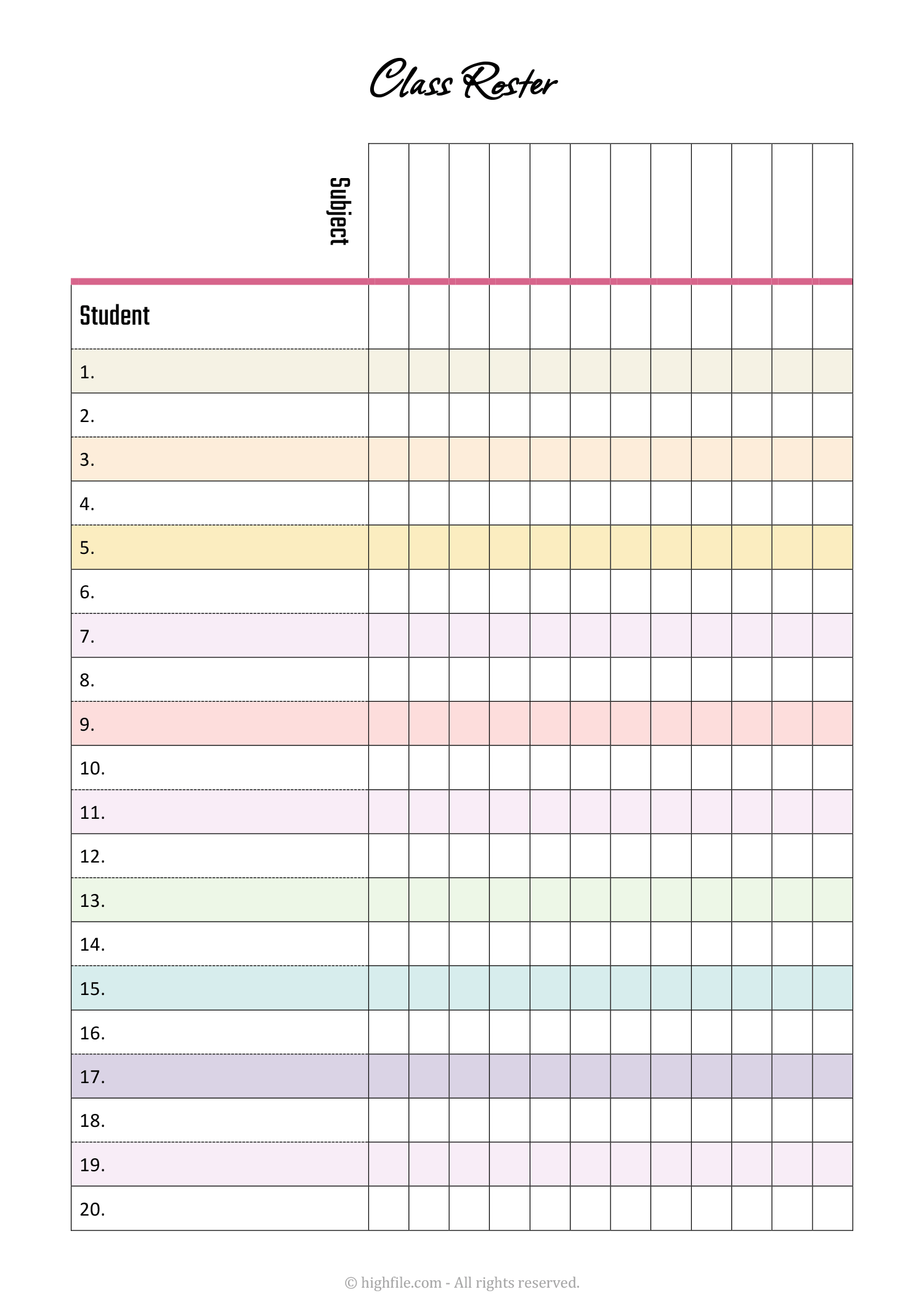
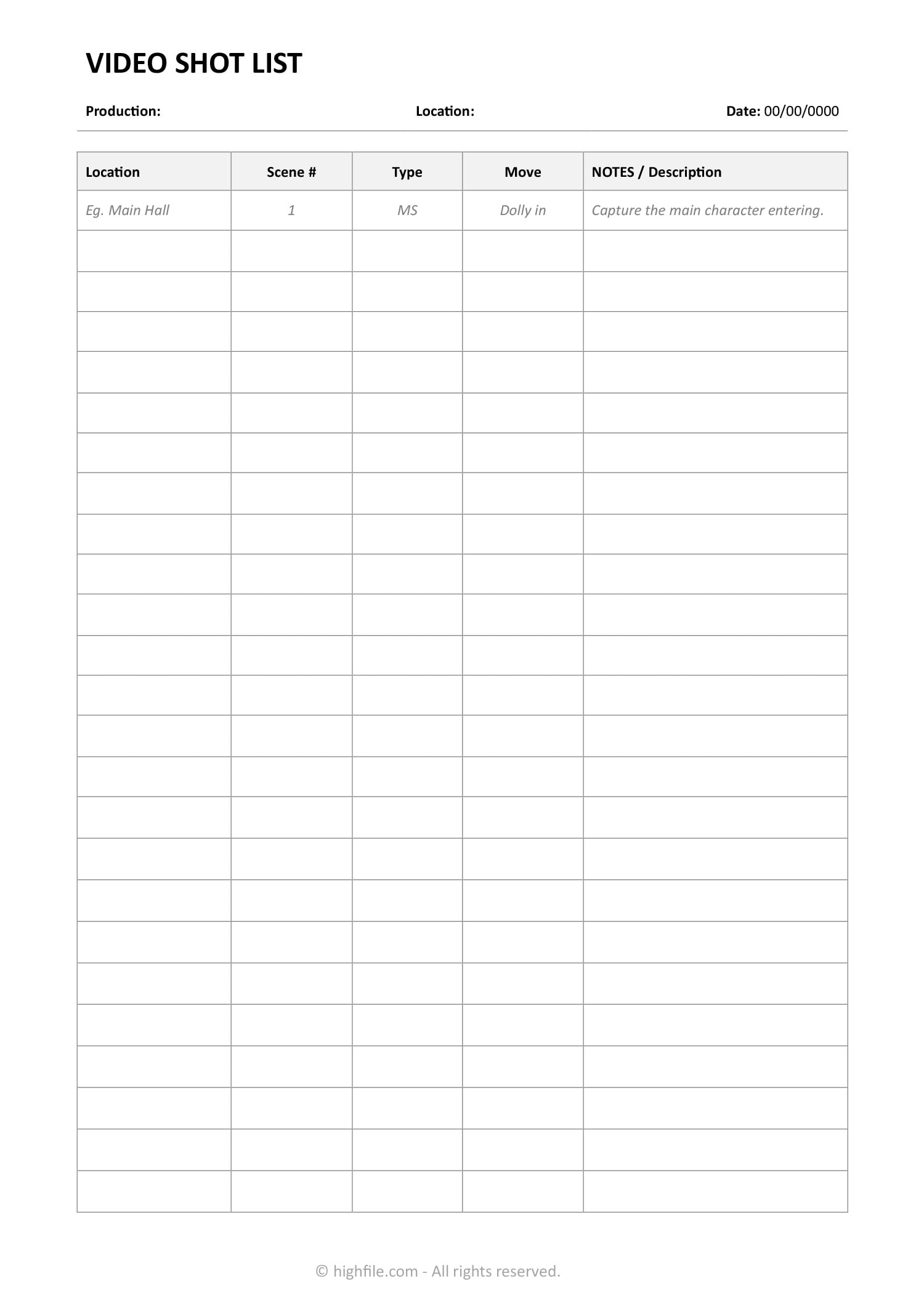
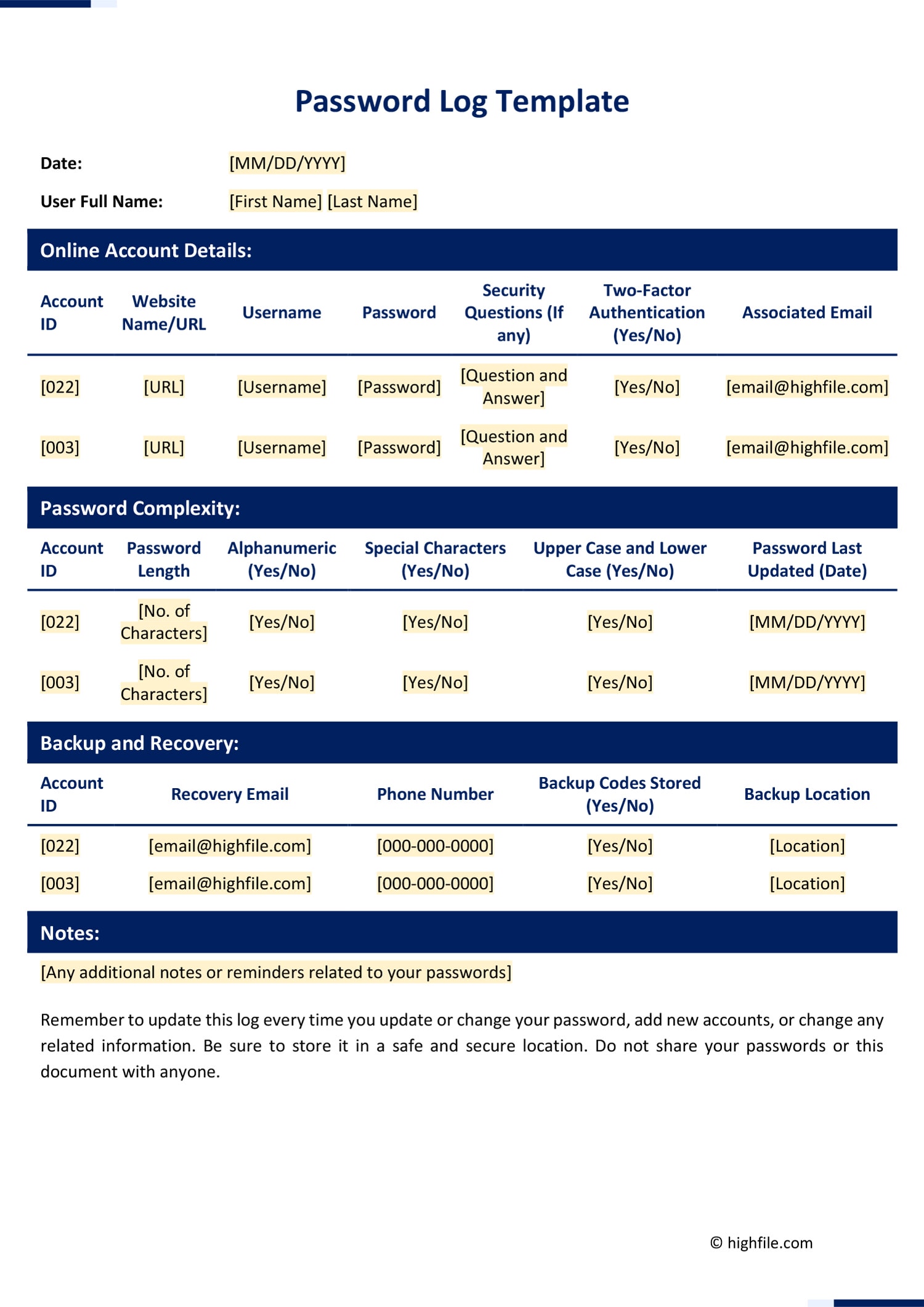
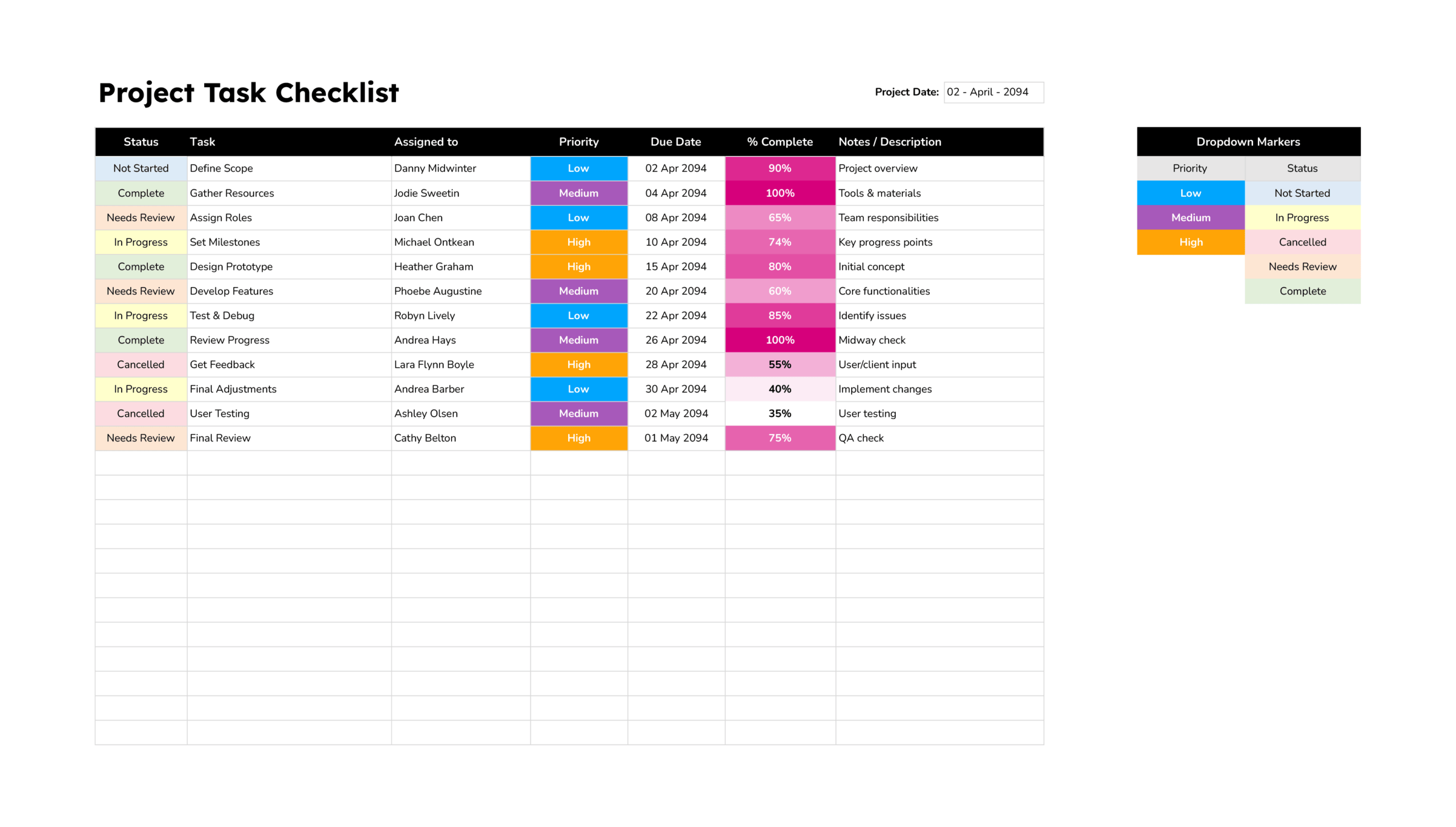

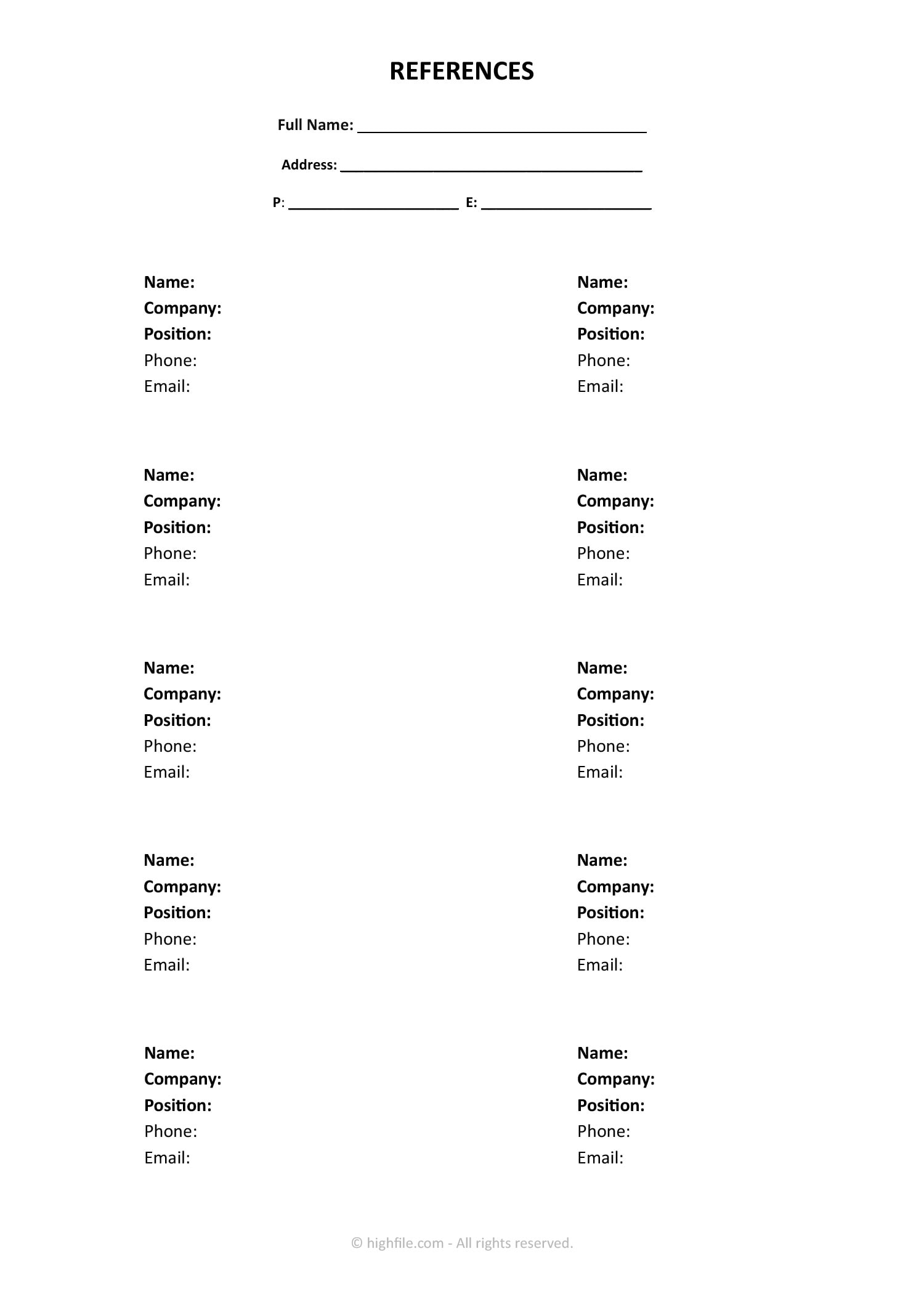






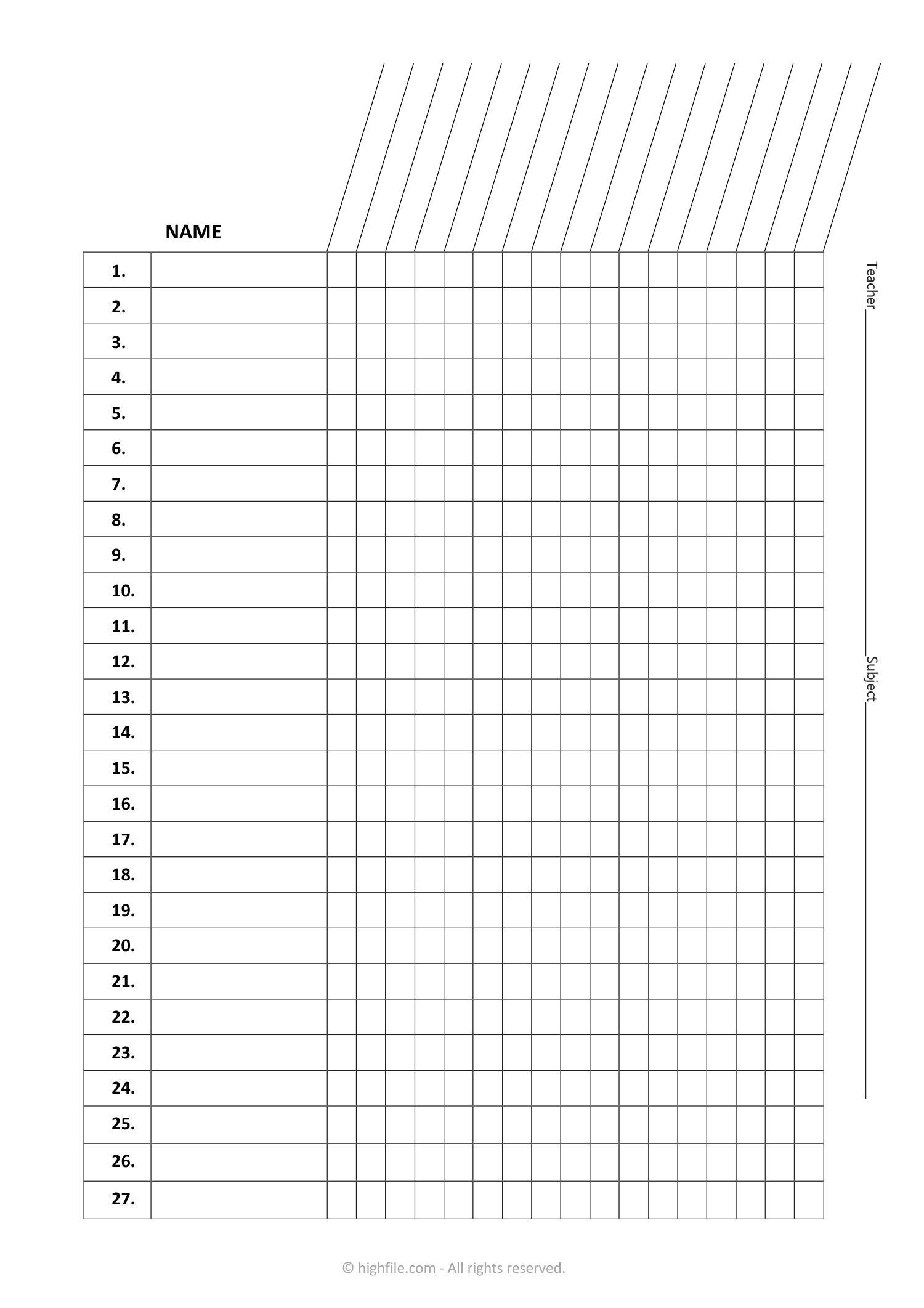


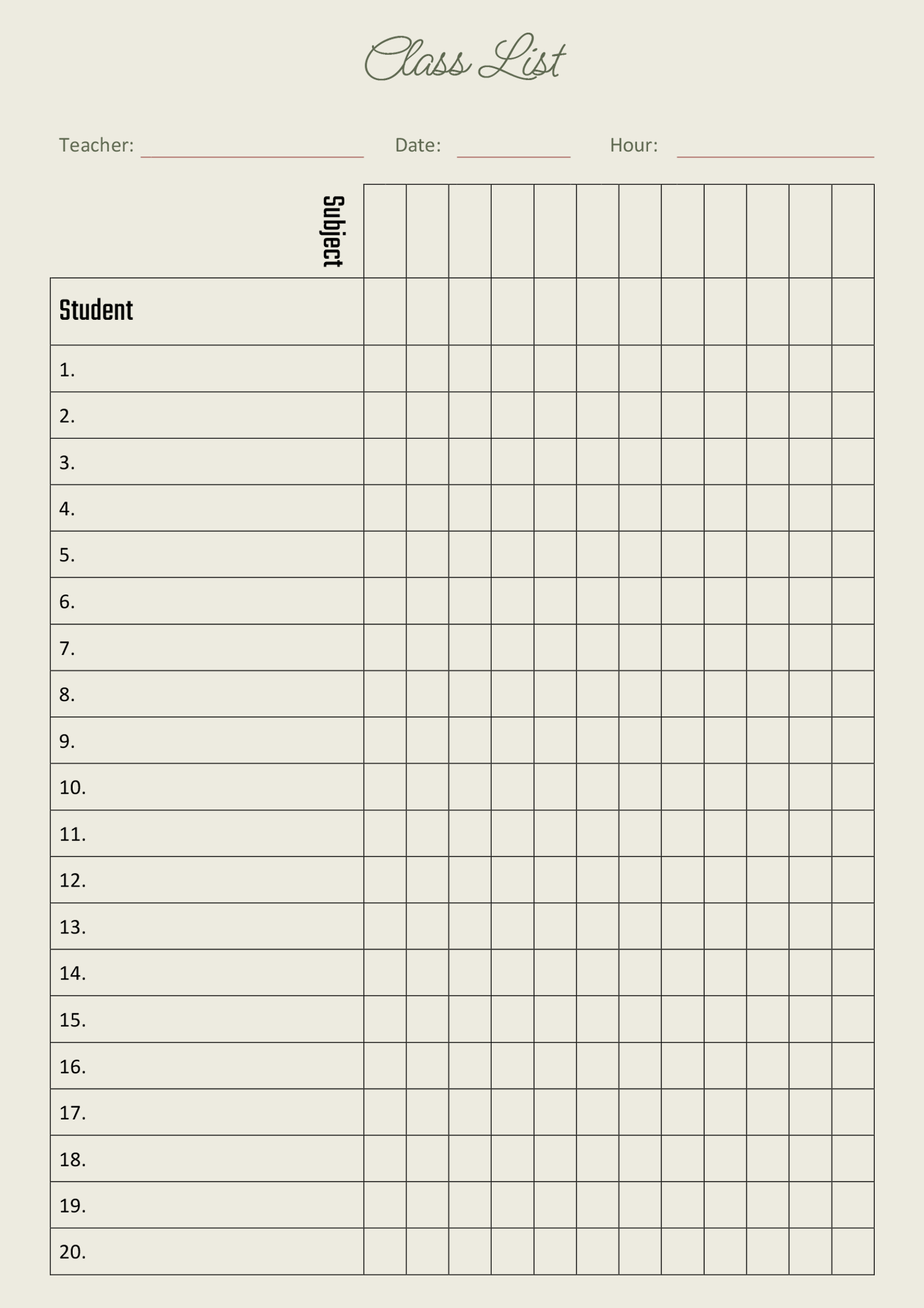


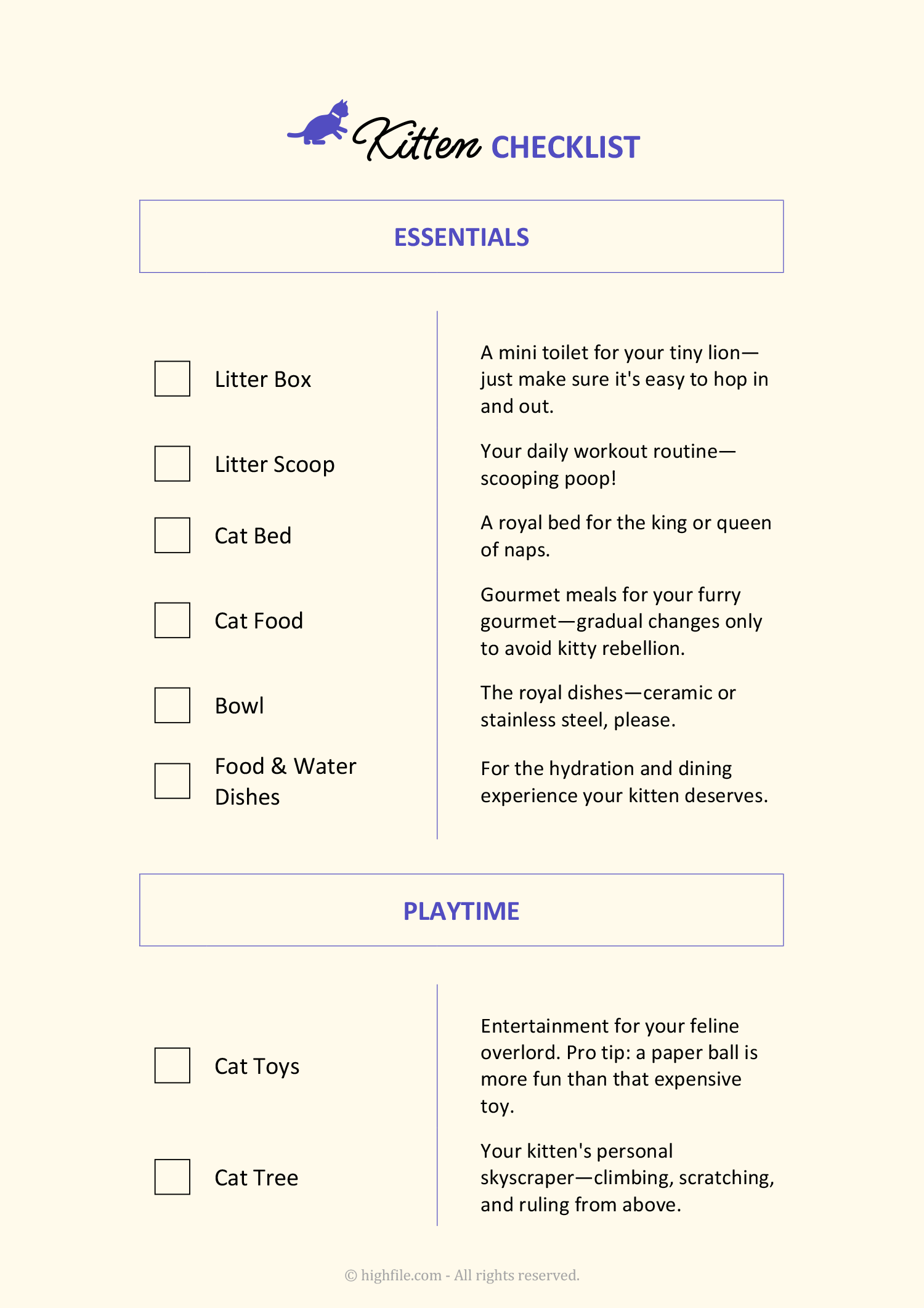
A list does something quietly powerful. It takes what you are holding in your head and puts it somewhere you can stop holding it. The grocery run you will not half-forget, the steps of a project that no longer pile up at once, the names you can hand to someone instead of recalling under pressure. Off the page those things compete for attention and some of them slip; on the page they settle into an order you can act on. That is the real work a list does, and it is why the form has lasted through every other change in how we keep track of things.
These list templates take that simple act and give it a structure suited to the job. What a list needs changes with what goes on it. A set of tasks wants checkboxes and an order, a set of names wants columns, a set of prices wants grouping. Starting from the right structure is what keeps a list readable instead of becoming a wall of text, so the form you reach for already fits how its information needs to sit, and the only work left is putting your own details in.
Worth knowing: The fastest way to make a long list unusable is to leave it as one undivided run. Grouping items into a few clear sections, by category, by phase, by priority, is what lets a reader find one entry without reading all of them, and it costs nothing but a few headings.
What makes a list work
The qualities that separate a list you act from one you abandon.
Fast to add to, so a thought lands on the page the moment you have it rather than getting lost while you look for the right spot for it.
Sorted into a few clear sections instead of one long run, so a reader finds an item without reading every line above it.
Arranged by priority or by the sequence the work happens in, so the list reads top to bottom the way you will actually use it.
Built to be read at a glance, with each item on its own line, so checking the list takes a look rather than a study.
Marked as you go, so finishing an item shows as progress and what is left stays obvious.
Clear enough to hand to someone else and have them read it the way you meant, since a list often outlives the person who wrote it.
Making any list useful
The few decisions that separate a list you act from one you abandon.
Write down everything first, in any order. Trying to organize while you are still remembering means you do both badly and usually miss something.
A run of tasks wants checkboxes; a set of people wants columns; prices want grouped rows. Picking the structure that fits the information is what keeps a list readable as it grows.
Remove anything you wrote out of guilt or habit rather than need. A list you believe is one you use; a padded one teaches you to ignore it.
Tip — If an item has sat untouched through several passes, decide it plainly, either do it, schedule it, or drop it. Leaving it to drift is what makes the whole list easy to ignore.
Sort into a few sections a reader would expect, then arrange items within each by importance or by the order they happen. The two passes are what turn a dump into something you can follow.
Give each item the detail it needs and no more. Empty fields slow a list down and make it read like a form instead of something you act from.
Print it for the wall, or keep it open beside you, and update it as things change. A list out of sight quietly stops being the list you are working from.
FAQs
How do I pick the right kind of list?
Start from what the list has to do. If you are tracking things to finish, a task list with checkboxes fits; if you are keeping details about a group of people, a roster with columns does; if you are presenting costs, a grouped price list reads best. Matching the form to the job is what keeps the list readable, since each kind of information reads differently on the page.
What turns a long list from overwhelming into usable?
Grouping and order. A long undivided list is hard to read and easy to abandon, but the same items sorted into a few clear sections, and ordered within each by importance or sequence, become something a person can scan and act from. The structure does the work of making a large list feel manageable.
Can I add my own columns or sections?
Yes. The layouts are a starting structure, so you can add a due-date column to a task list, a phone column to a roster, or a new category to a price list. The thing to avoid is adding columns you will not fill, since empty fields slow a list down and make it read like a form rather than a working document.
What file formats do the list templates come in?
The collection spans Word, Google Docs, Excel, Google Sheets, PowerPoint, Google Slides, and PDF, though not every list is offered in all of them. A roster or price list with a lot of rows is suited to Excel or Sheets, where you can sort and total; a checklist or a printable task list is at home in Word, Docs, or a fillable PDF. Each template shows the formats it comes in, so you can pick the one that matches how you want to build and share the list.