
Checklist Templates
The value of a checklist shows the second time you use it, when the same list catches the step you forgot last time. These checklist templates set out the items for a recurring job, a make-ready inspection, a BBQ, a panel maintenance round, as a list you tick so nothing slips. Pick the one closest to your task and check off each item as you go.
 ×
× ×
× ×
× ×
× ×
×


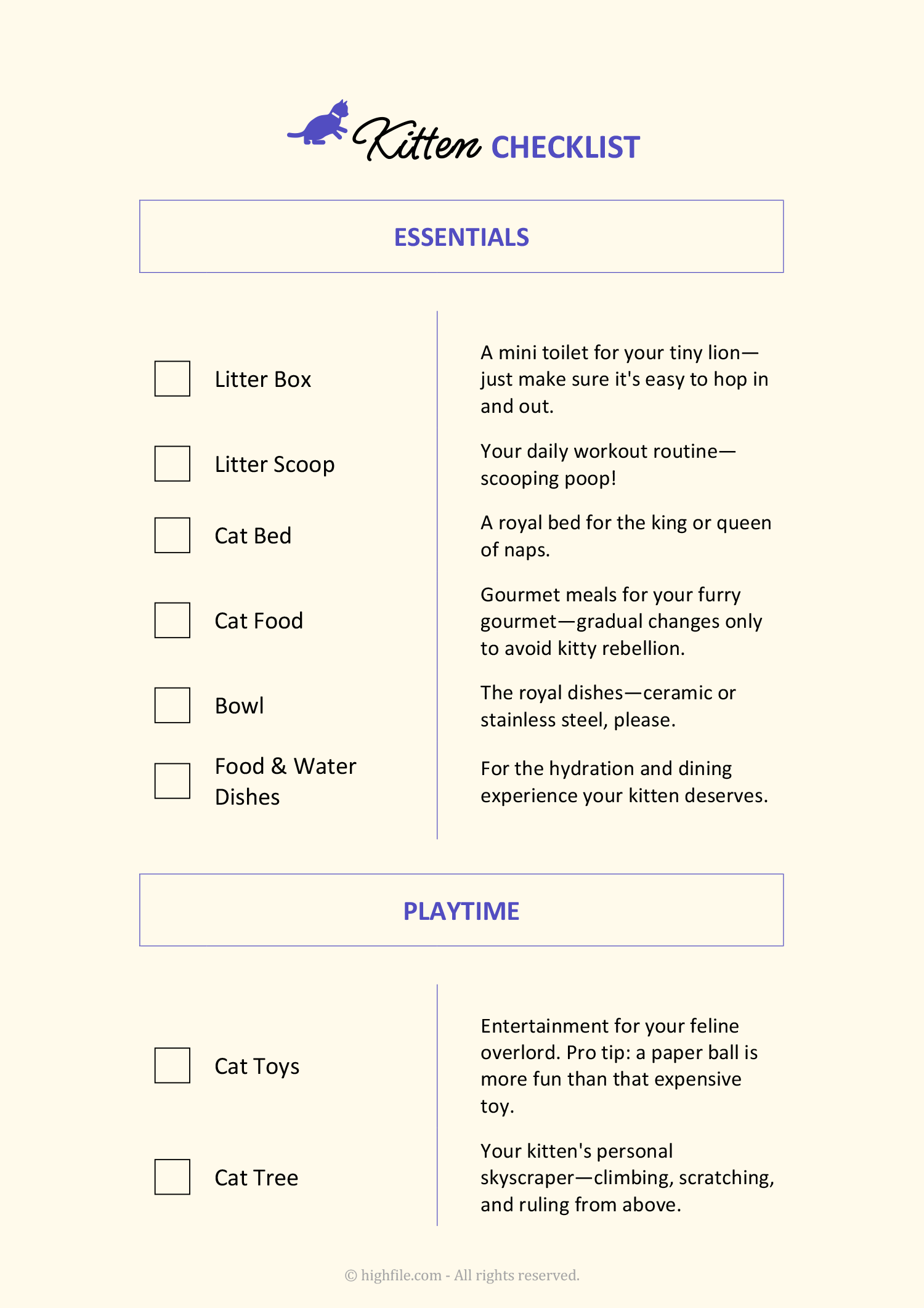


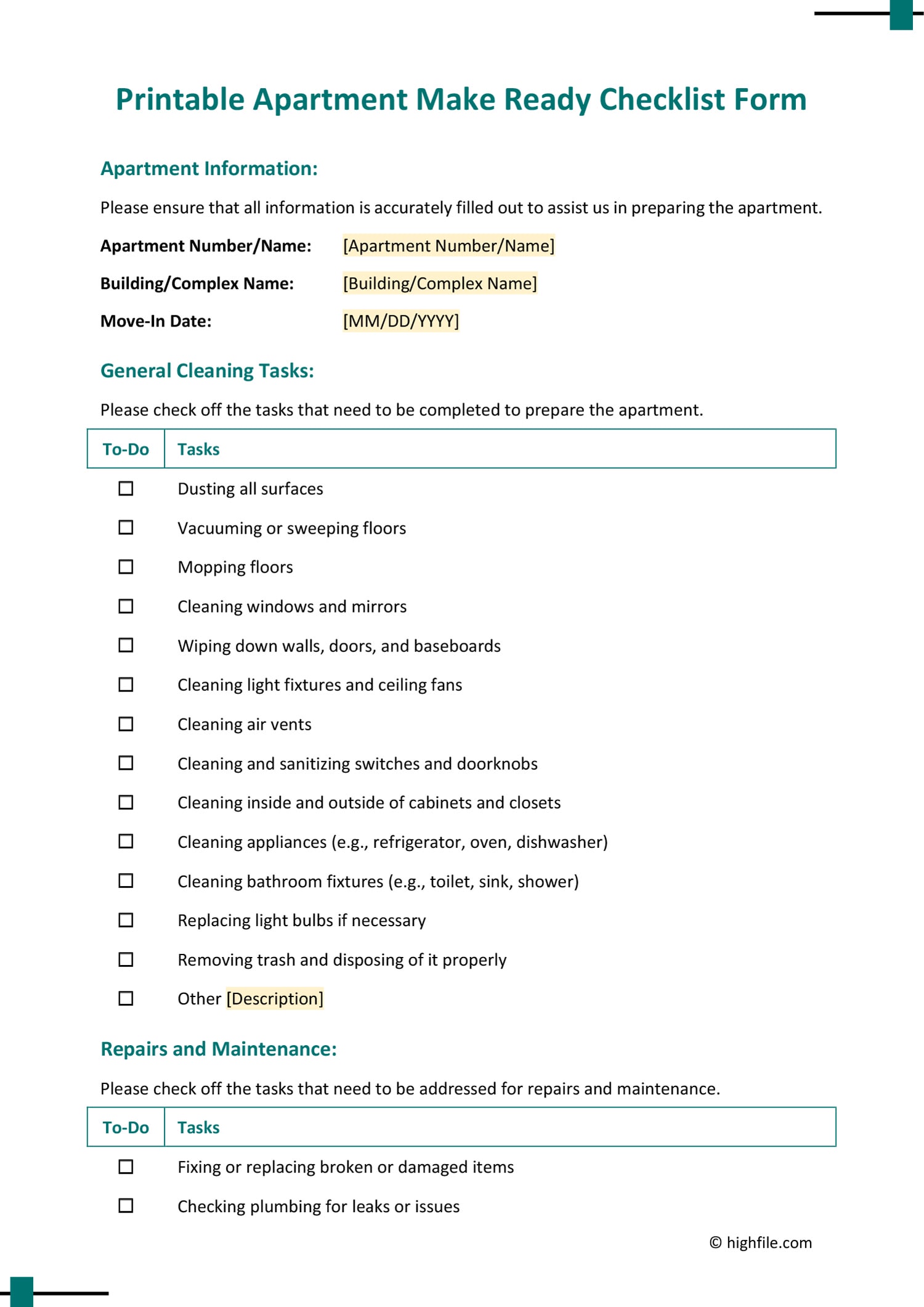
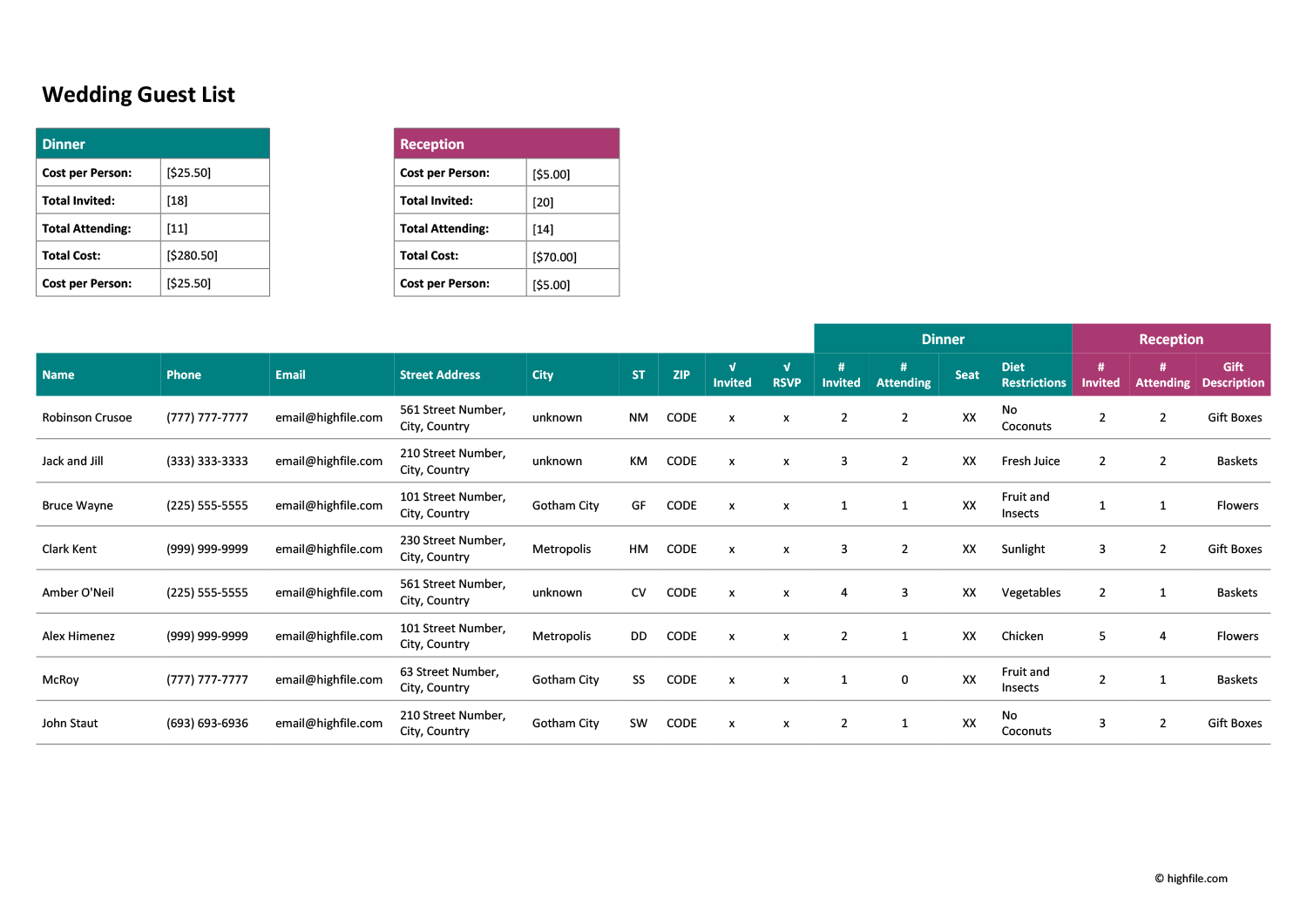


A checklist exists for the jobs you do more than once, where memory alone eventually drops a step. A make-ready inspection, a preventive maintenance round, a packing run before a trip, all go smoother when the steps live on a list you work through rather than recall. The point is not the list itself but what it prevents, the missed item that turns into a callback, a failed inspection, or a forgotten essential at the worst moment.
That is what separates a checklist from a to-do list. A to-do list collects one-off tasks for today and gets thrown away; a checklist is built to be reused, the same verified sequence run again each time the job comes around. These checklist templates cover recurring jobs across home, safety, and shopping, from an apartment make-ready and an electrical-panel maintenance round to a BBQ and a pantry restock, so the list you settle on becomes the one you reach for every time that task repeats.
Worth knowing: Order the items the way you actually move through the job, not by importance. A make-ready checklist that follows you room by room gets completed; one that jumps between floors and categories leaves you doubling back and skipping items.
How these checklists are built
The collection covers recurring jobs across home, safety, and shopping.
Item-by-item lists for a walkthrough, such as an apartment make-ready or an electrical-panel maintenance round, where each point has to be verified before the job signs off.
Pre-use checks like a bike safety run, grouping the points that have to pass before something is used so none of them gets skipped.
A grocery or pantry-staples list that records what to restock, so a shopping run covers everything in one trip rather than two.
Lists for an occasion such as a BBQ, gathering the food, equipment, and tasks in one place so nothing is remembered only after the guests arrive.
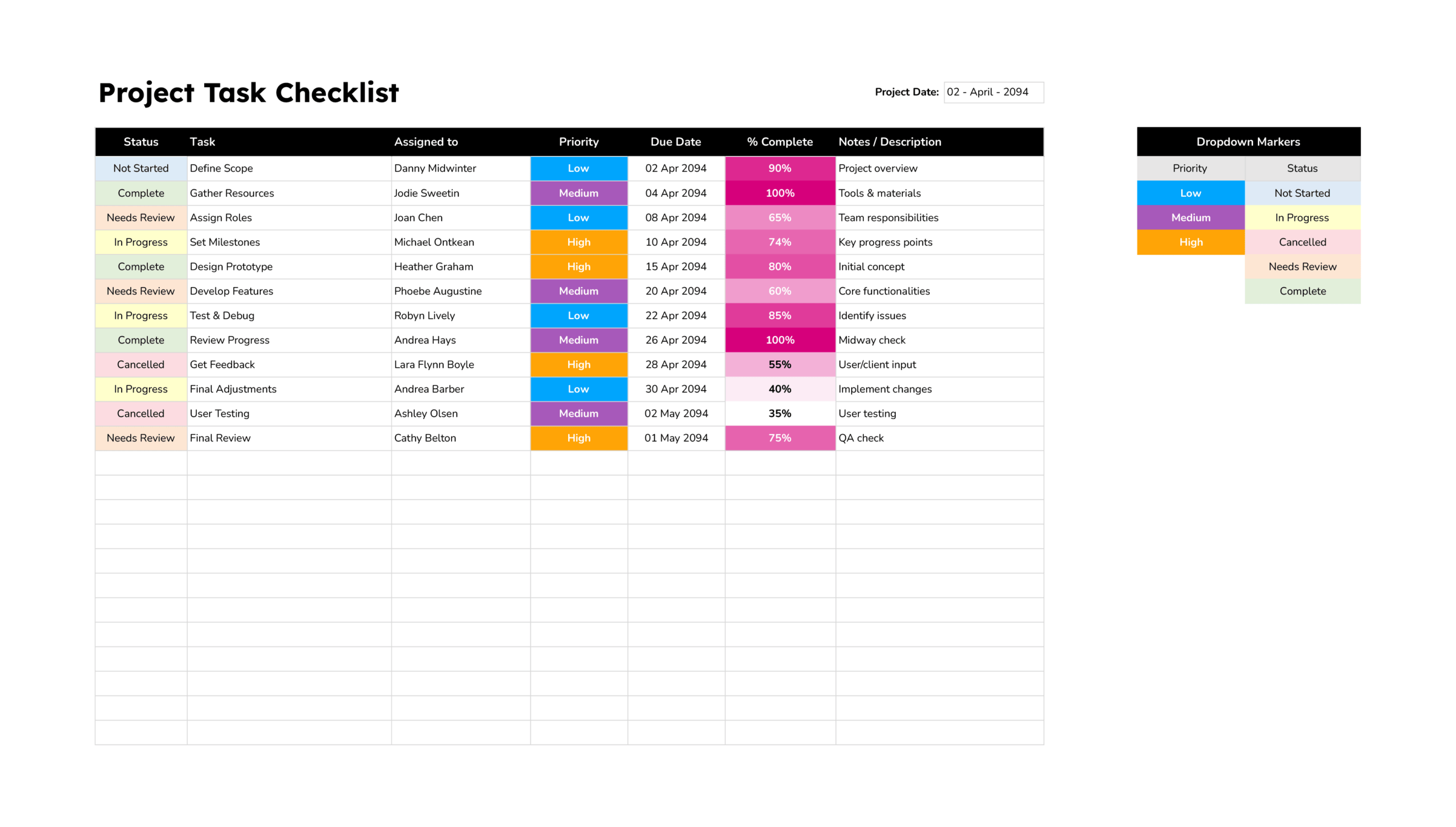
A box beside each item to mark as you complete it, so a glance shows what is done and what is still outstanding.
Items sorted into stages or categories, so a long list reads as a few manageable groups rather than one daunting column.
Building a checklist you will reuse
From a blank list to one you run every time the job comes around.
Choose the checklist for the recurring task you have in mind, an inspection, a safety check, a restock, so the items already match the work rather than starting from nothing.
Write down each item the job involves, even the ones you think you would never forget. The obvious step skipped under time pressure is exactly what a checklist exists to catch.
Sequence the items to match how you physically move through the task, room by room or stage by stage, so you complete the list in one pass without backtracking.
Break a long checklist into a few labeled groups so it reads as manageable stages. A wall of unbroken items invites skimming, which is how steps get missed.
Use the checklist on a real run and note where it was wrong, a missing item, a step out of order, then fix it. The first use is what turns a draft into a list you trust.
Tip — After a run, add the one thing that went wrong but was not on the list. That is how a checklist quietly closes the gaps that caused last time's mistake.
Keep the corrected version for the next time the job comes around, so each run starts from the verified list rather than memory. The reuse is where the time is saved.
FAQs
What is the difference between a checklist and a to-do list?
A to-do list collects one-off tasks for a single day and is discarded once done. A checklist is built to be reused, the same verified sequence run each time a recurring job comes around. If you will do the task again and want to catch the same missed steps every time, you want a checklist, not a to-do list.
How long should a checklist be?
As long as the job genuinely requires, no longer. Every item should be something that could actually be missed; padding the list with steps no one forgets trains the eye to skim past it. If a checklist runs long, group it into labeled sections so it reads as a few manageable stages rather than one column.
How do I keep a checklist from being ignored?
Order it the way you move through the job and keep it in view as you work, printed or open beside you. A checklist filed away after the first use stops catching anything. The ones that get followed are short enough to trust, ordered to match the task, and corrected after each run.