
Release Form Templates
A release form is how one person grants another permission to do something, use something, or stop holding them responsible for it, in writing rather than on a handshake. What it has to pin down is who is releasing what, and how far that permission reaches. These release form templates set those terms out in order. Pick the kind of release you need and fill in the specifics.
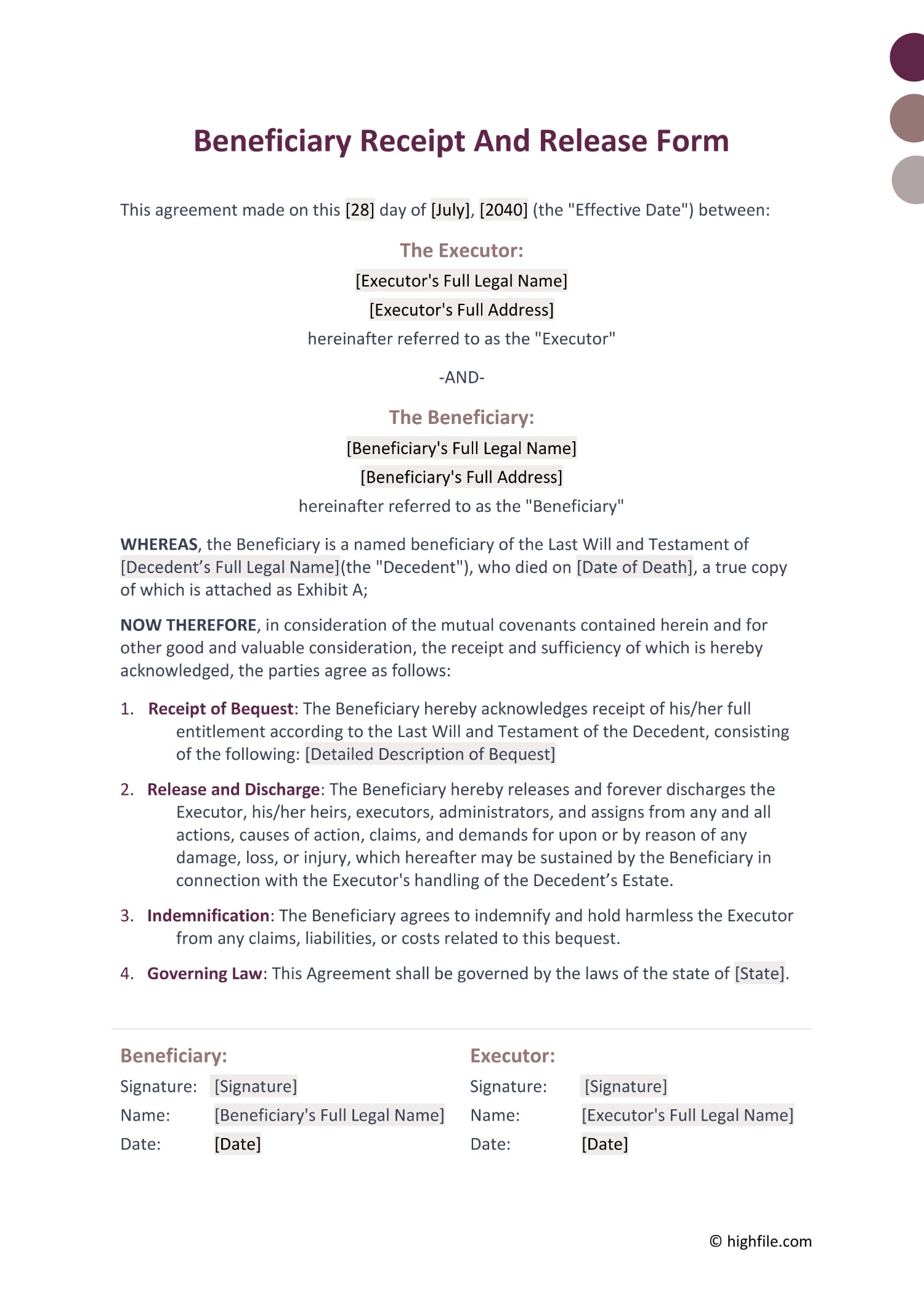



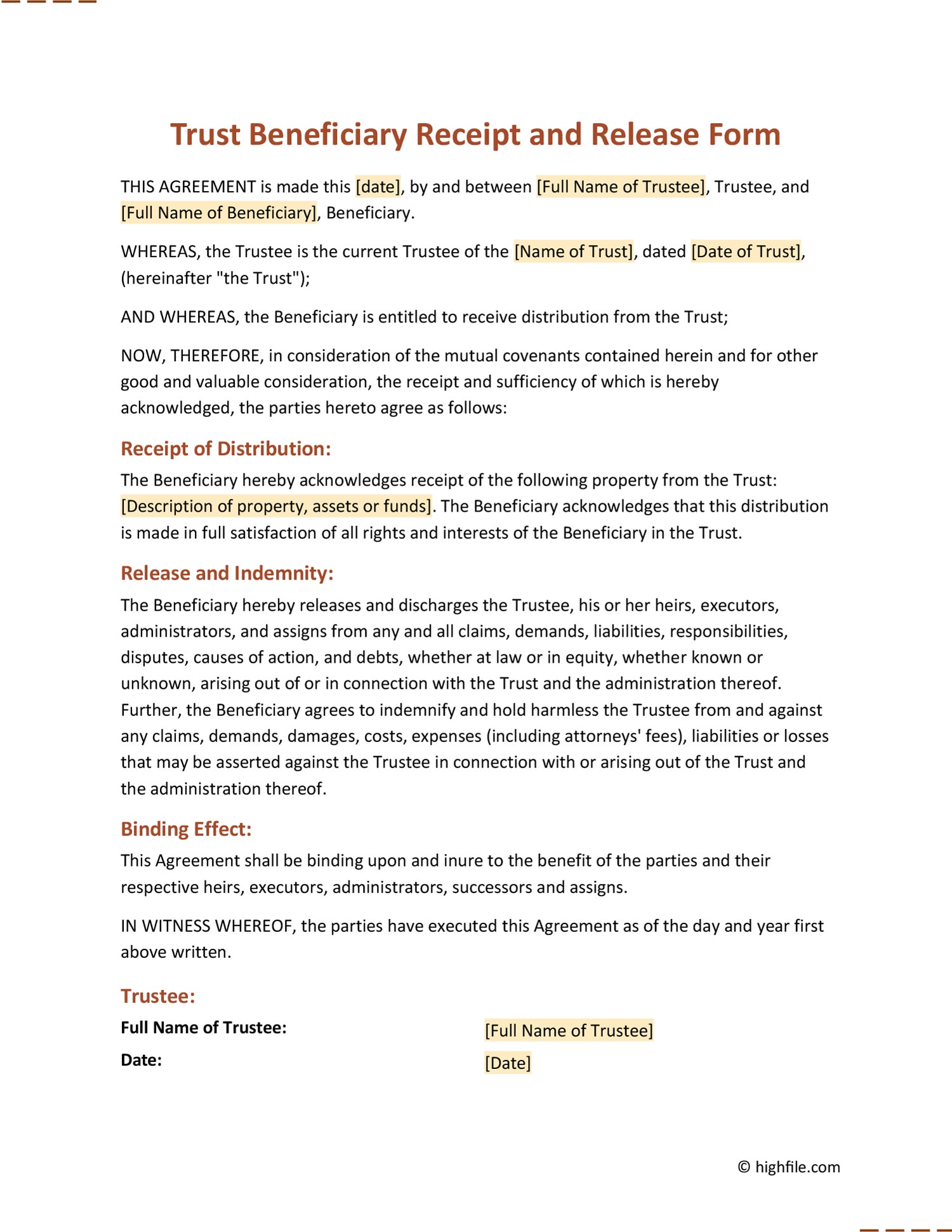

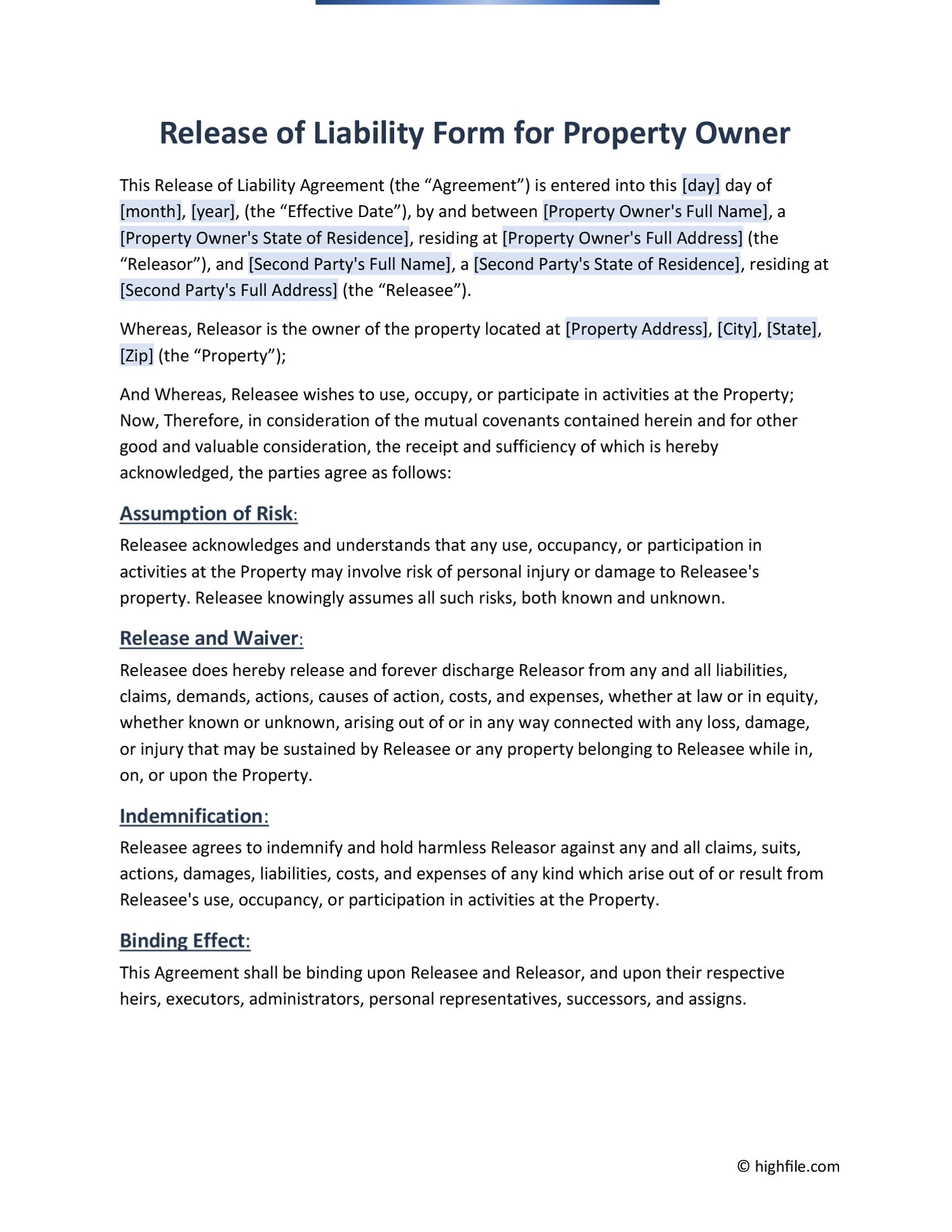


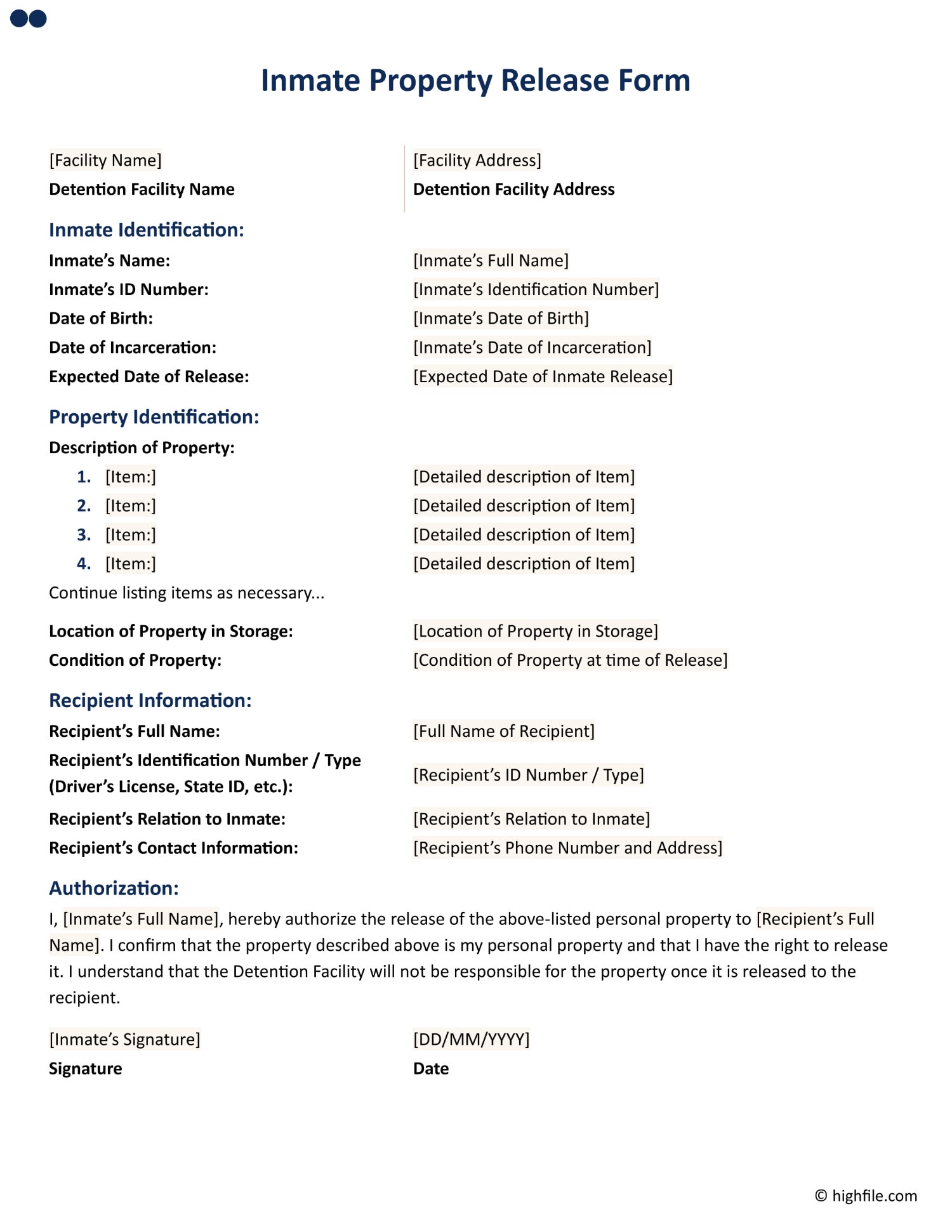

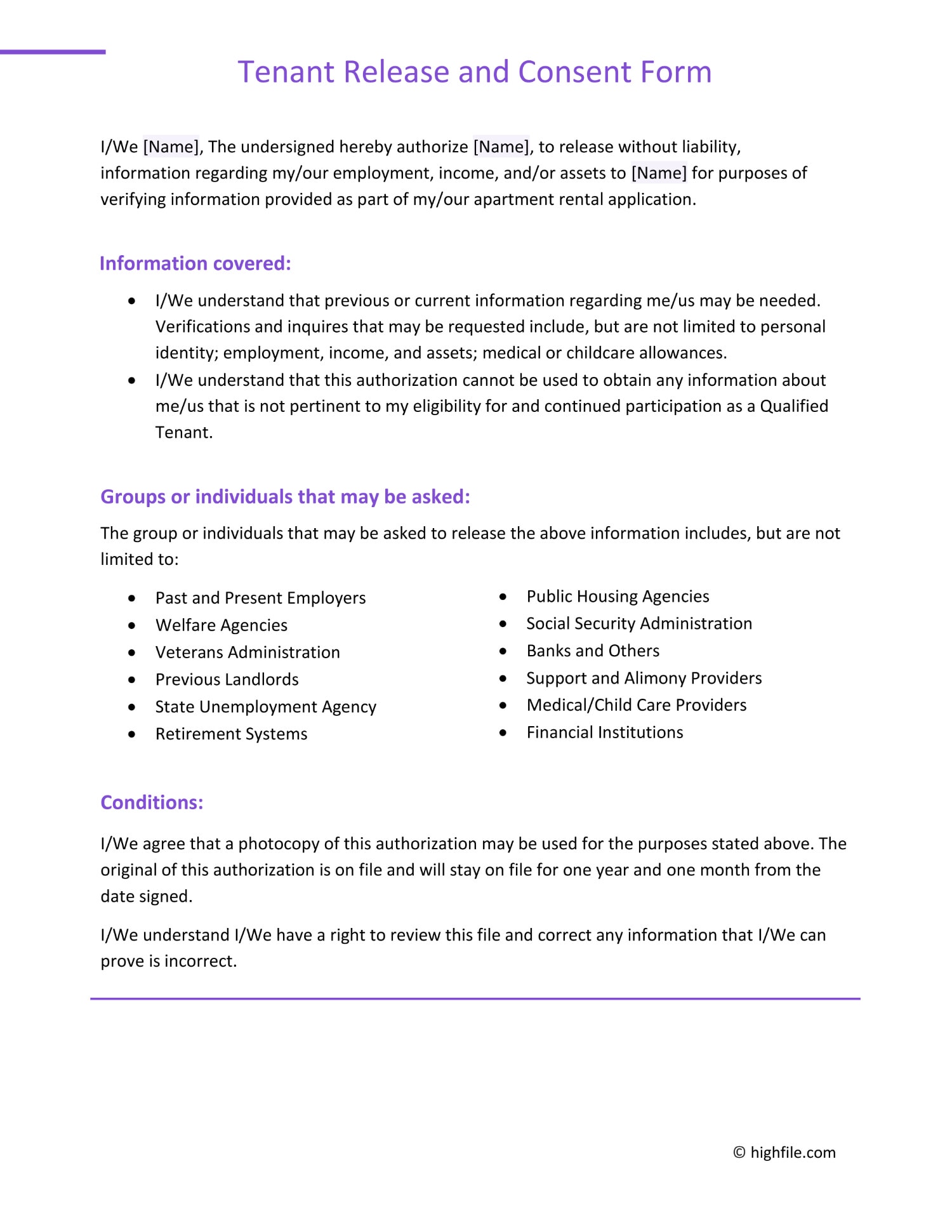

A release form records one party giving another permission, or giving up a claim, in writing. The person granting it is the releasor; the person receiving it is the released party; and between them the form states exactly what is being released or permitted and how widely. That scope is the heart of the document, because a release that does not say what it covers leaves both sides guessing later about what was actually agreed.
These templates cover the common kinds of release, permission to use someone’s image or recording in a media release, the handover of an item in a property release, a tenant authorizing the release of their information, and a beneficiary acknowledging receipt of an inheritance. Each is written around its particular permission, with the parties, the thing being released, and the scope already set out, so you enter the names and specifics. They are a starting point for putting a permission in writing, and the wording should be adapted to your own situation before use.
Important: A release can hold real legal weight, and what makes one enforceable depends on the type and the rules where you are. Treat these templates as a starting point for putting a permission on record in plain terms, not as legal advice or a guarantee that a release will hold, and get advice on anything involving an estate, a liability waiver, or money owed.
What's on a release form
The parts that put a permission or waiver plainly on the record.
The person granting the release or giving up a claim, named in full with contact details. This is whose permission the form records, so identifying them in full is the starting point.
The person or organization receiving the permission, the company in a media release, the recipient of an item, the party a tenant authorizes. Naming them fixes who the release is granted to.
A specific description of what is being permitted or given up, the media in which someone appears, the property changing hands, the information that may be shared. Precision here is what bounds the release.
How far the permission reaches, the formats and channels media may appear in, the purposes information may be used for, what the recipient may do with an item. The stated scope is what keeps it from being read wider than meant.
Any time limit or condition on the permission, and what falls outside it. Where a release is open-ended, the wording says so, so neither side mistakes its reach.
The operative wording in which the releasor grants the permission or discharges a claim. This is the sentence that does the work, and the rest of the form sets it up.
A note on anything given in return, or a line stating none is, such as a media release confirming no payment is made. Recording this settles a question that otherwise surfaces later.
The signature, printed name, and date that fix who granted the release and when. Some forms also include a second signature, an executor or a witness, depending on the release.
Not every release uses every one of these parts. A media release leans on scope and the no-payment line, a property release on the description and condition of the item, and a beneficiary receipt and release on the acknowledgment of what was received. Keep the parts the particular permission calls for.
Completing a release form
Setting out the permission and its scope so both sides know what was agreed.
Enter the releasor granting the permission and the released party receiving it, both in full. Getting these right matters, since the release is granted between exactly these two and no one else.
Set out specifically what is being permitted or given up, the media someone appears in, the item handed over, the information that may be shared. The clearer this is, the less room there is to dispute what the release covered.
Define how far the permission reaches, the channels and formats for media, the purposes for shared information, what a recipient may do with an item. A stated scope is what keeps the release from being read more broadly than intended.
Add a time limit or condition if one applies, or keep the wording that says the permission is open-ended. Either way, the form should make its reach explicit rather than leave it assumed.
State if anything is exchanged in return, or keep the line confirming none is, as on a media release. Settling this on the form avoids a question about payment coming up afterward.
Compare the wording against what your situation needs before relying on it. For anything involving an estate, money owed, or a waiver of liability, treat the template as a draft and get advice, since these hold real weight.
Note — Beneficiary, liability, and estate-related releases can have significant legal effect, so have them reviewed rather than relying on the template alone.
Have the releasor sign and date the form, with any second signature the release calls for, such as an executor or witness. Keep the completed copy as the record of the permission granted.
FAQs
What does a release form actually do?
It records one party granting another permission, or giving up a claim, in writing. The form names who is releasing what, to whom, and how widely, so the permission is documented rather than left to memory. The scope, what it covers and does not, is the part that matters most.
What is the difference between a media release and a property release?
A media release grants permission to use someone’s image, recording, or likeness, and turns on the scope of use and the question of payment. A property release covers an item changing hands, and turns on describing the property and its condition. Different permissions, so each template is built around the terms its own kind needs.
Are these release forms legally binding?
Treat them as a starting point rather than a guaranteed-enforceable instrument. How well a release stands up depends on its type and the rules where you are. Use the template to set the permission out plainly, and for anything carrying real weight, a liability waiver, an estate matter, or money owed, get it reviewed before relying on it.
Can I use a beneficiary receipt and release for an estate?
The template gives you a structure to record a beneficiary acknowledging what they received and releasing the executor, but estate matters have genuine legal consequences and the requirements vary. Treat it as a draft to work from and get advice on how well it fits the estate and meets local rules before it is used.
Who needs to sign a release form?
The releasor granting the permission always signs and dates it. Some releases need a second signature as well, such as an executor on a beneficiary release or a witness where the situation calls for one. The templates include the signature lines each kind typically needs.