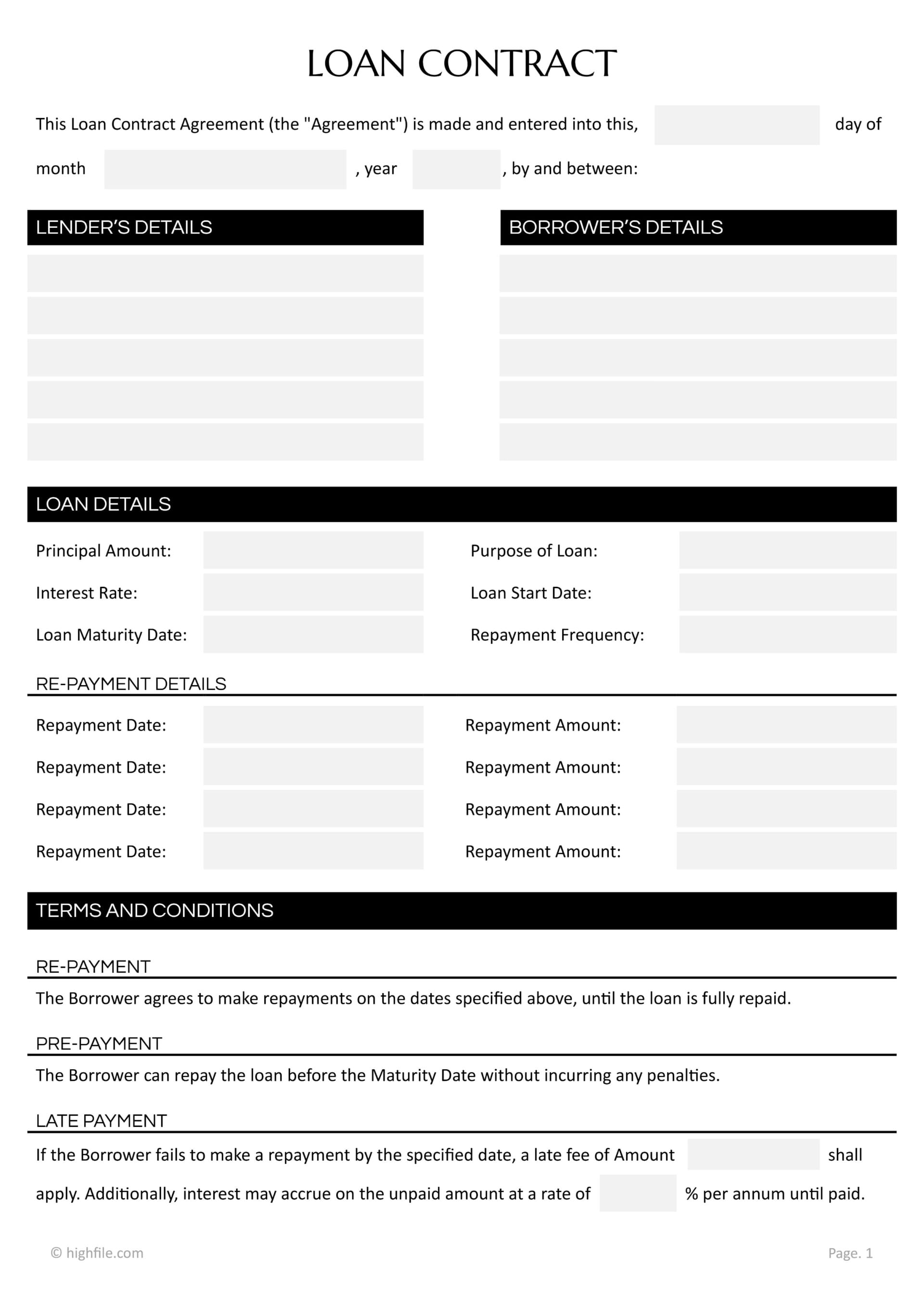




An event contract is a formal agreement between a client and a service provider that sets out how an event will be planned, delivered and completed. It records what has been booked, on which date, at which venue, for what fee and under which conditions the services will be provided. Typical provisions address the scope of services, payment schedule, cancellation and rescheduling rules, responsibilities for set-up and clean-up, and procedures for unexpected issues that may arise before or during the event. Putting these points in writing reduces misunderstandings and gives both parties a single document to refer to throughout the process.
This event contract template is designed for clients, planners, venues, caterers, entertainers and other suppliers who need a written agreement in place before work begins. It includes space to enter details such as the event name, date, location, contact information for each party, services and packages, payment terms and legal conditions. Placeholder text indicates the type of information to add, so the same template can be adapted for different events and service arrangements. Once completed and signed, it functions as a binding agreement between the parties. The template is available in Microsoft Word and Google Docs and can be customized to reflect the specific terms agreed for each event, then exported as a PDF for sending or printing.
Information to Finalize Before Completing the Event Contract
Before filling in this event contract template, confirm the main details of the event, including the date, venue, expected number of attendees, and the schedule for set-up and clean-up. Clarify the exact services being booked and whether additional staff, equipment, or extended hours may be needed.
Next, settle the pricing approach. Decide whether the service will be billed as a fixed package, by the hour, or with additional charges for travel, premium equipment, or extra time. Having these details in place ensures the payment terms section is completed accurately.
If the event involves outdoor arrangements, multiple vendors, client-supplied materials, or venue-specific rules, make note of these elements so they can be reflected in the service, cancellation, and liability clauses.
How To Use This Event Contract Template
Begin by entering the agreement date and the full registered names of both parties. The date indicates when the contract becomes effective, and the names identify the parties who are legally bound by the agreement. Once these initial details are entered, proceed to the sections addressing the event terms.
Event Details
This section specifies the primary event details. Enter the official event name, the scheduled date, and the total duration. Provide the venue’s full name and address to ensure the event location is accurately defined. State the nature of the event, such as a wedding, corporate function, birthday celebration, or concert, and mention the expected number of attendees. These particulars record the fundamental arrangements agreed upon by both parties.
Services and Responsibilities
Identify the scope of services that the service provider will deliver and the responsibilities that the client agrees to fulfil. The services may include catering, entertainment, photography or any other agreed arrangements relevant to the event. The client’s responsibilities may include providing access to the venue, supplying necessary materials, or meeting any requirements that support the service’s performance. Each party’s commitments are to be defined in this section in accordance with the specific terms agreed for the event.
Payment Terms
Use this section to record the total cost of the services, the deposit payable to confirm the booking, and the due date for payment of the remaining balance. It also covers the cancellation and refund policy, specifying any amounts subject to refund, the conditions under which refunds may be issued, and any charges or deductions applicable in the event of cancellation.
Performance of Services
This clause specifies the quality of work the service provider delivers. The service provider is obligated to perform the services listed in Section 2 with reasonable skill and care, in accordance with the professional standards ordinarily applied to such services. This defines the expected level of performance and serves as a basis for determining that the contractual obligations have been adequately fulfilled.
Changes to Event
This section governs modifications to the agreed event arrangements or related services. Any request to amend any part of the confirmed services should be submitted in writing and delivered to the other party for review. No change will take effect until both parties have provided written consent to the revised terms and any associated costs.
This clause also addresses circumstances beyond the control of either party, such as natural disasters, equipment failure, or venue-related issues. If such events occur, reasonable adjustments can be made to allow the event to proceed in a safe and practical manner.
Liability
Use this section to define the Service Provider’s responsibility for loss or damage arising from the event services. It explains that liability is restricted to matters within the provider’s control and excludes indirect or consequential losses, such as loss of profit or business, unless those losses result from gross negligence or willful misconduct.
In the Insurance section, specify which party, the service provider or the client, is responsible for maintaining event insurance. Indicate the scope of the coverage required, such as property damage, personal injury or event cancellation, to confirm that adequate protection is in place throughout the event period.
Governing Law
This section clarifies the governing law for the contract. The agreement shall be interpreted and enforced in accordance with the laws of the state or jurisdiction where the event is held or where either party conducts business. This provision establishes which laws will apply to any dispute or interpretation arising from the contract.
Dispute Resolution
This section explains how any dispute between the parties will be handled. The parties agree to first attempt to resolve any disagreement through mediation. If mediation does not resolve the issue, the dispute will be decided through binding arbitration under the rules of the American Arbitration Association, and the arbitrator’s decision will be final and enforceable.
Entire Agreement
In this clause, it is agreed that the agreement, along with any attached exhibits, is the complete agreement between the parties and replaces all previous discussions or understandings on the same subject. No other statements or promises are legally binding unless they are included in the agreement, and any changes must be made in writing and signed by both parties.
Amendments
It specifies how changes to the contract should be made. Any amendment or modification to this agreement is valid only if it is in writing and signed by both the client and the service provider. Verbal agreements or informal changes have no legal effect.
Signatures
This section confirms the formal acceptance of the terms. The client, the service provider, and the witness must each sign and enter their full name and the date in the fields provided. Signing confirms that the terms have been read, understood, and agreed to by all parties. Any questions or concerns regarding the terms must be resolved before it constitutes a final agreement.
When to Review or Update an Event Contract
You may need to update the event contract when details change. This includes a new venue, a revised schedule, a different guest count, upgraded services, or added staff. Any modification should be recorded in writing so both sides have a current version of the agreement.
For events booked many months in advance, a brief review closer to the event date is useful. This helps confirm arrival times, access requirements, and final instructions. Keeping the contract updated prevents confusion during planning and on the event day.
FAQs
Include enough information for both parties to understand the exact service being delivered. This usually means writing the type of event, venue address, expected guest count, timeline, set-up and clean-up needs, equipment requirements, and any special instructions. Clear details prevent last-minute misunderstandings on the event day.
Some venues require vendors to carry liability insurance. Even when it’s not required, insurance can protect both sides if equipment is damaged or a guest is injured. If insurance matters for your event, you can add a sentence noting that proof of coverage may be requested before the service date.
Yes. You can adjust the event details and service description for weddings, birthday parties, fundraisers, product launches, conferences, or corporate functions. The layout works for simple bookings or large multi-service arrangements.
Yes. After editing the template, you can export it as a PDF and use an electronic signature service. Both sides should keep a copy of the signed version for reference during the planning period and on the event day.