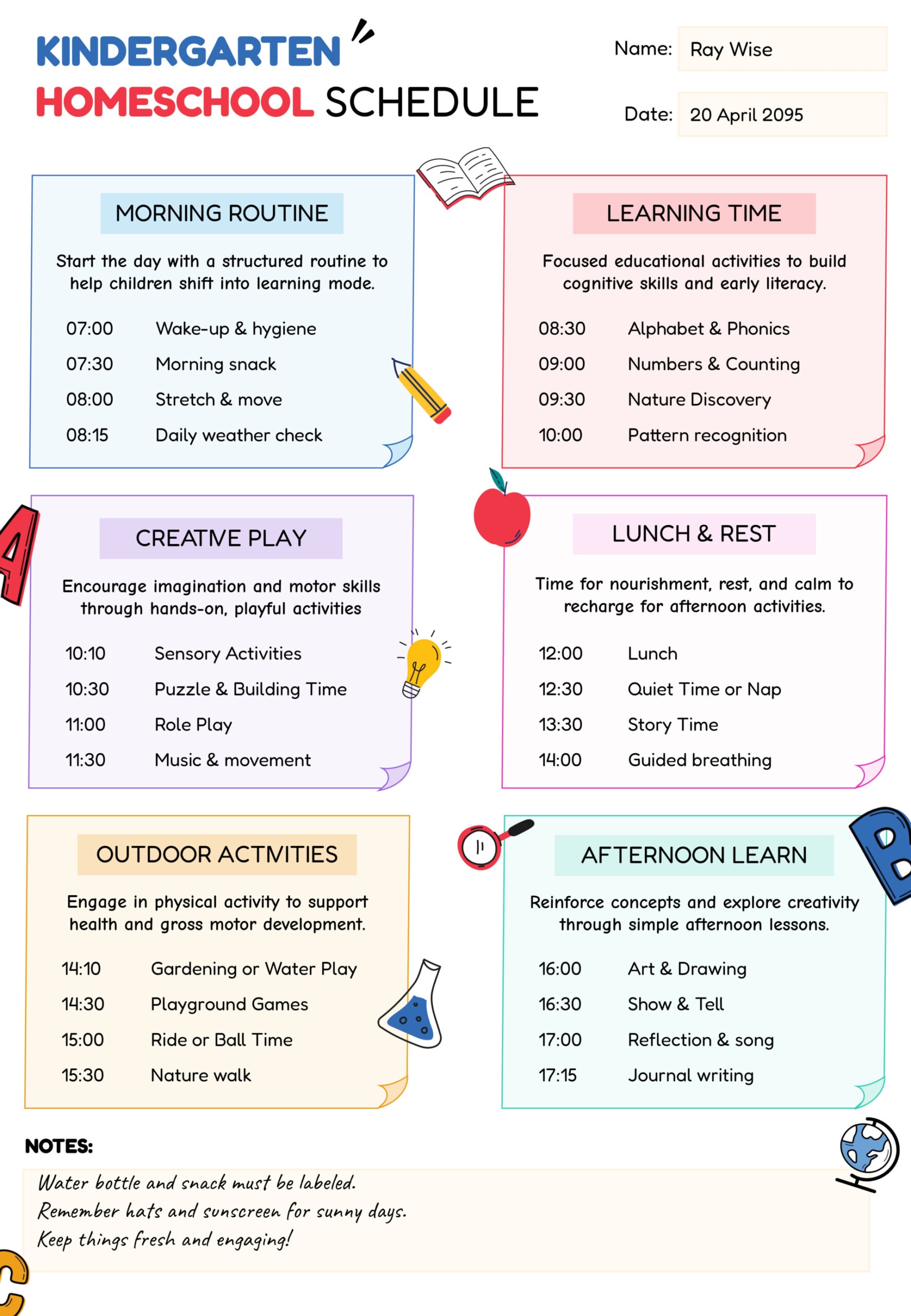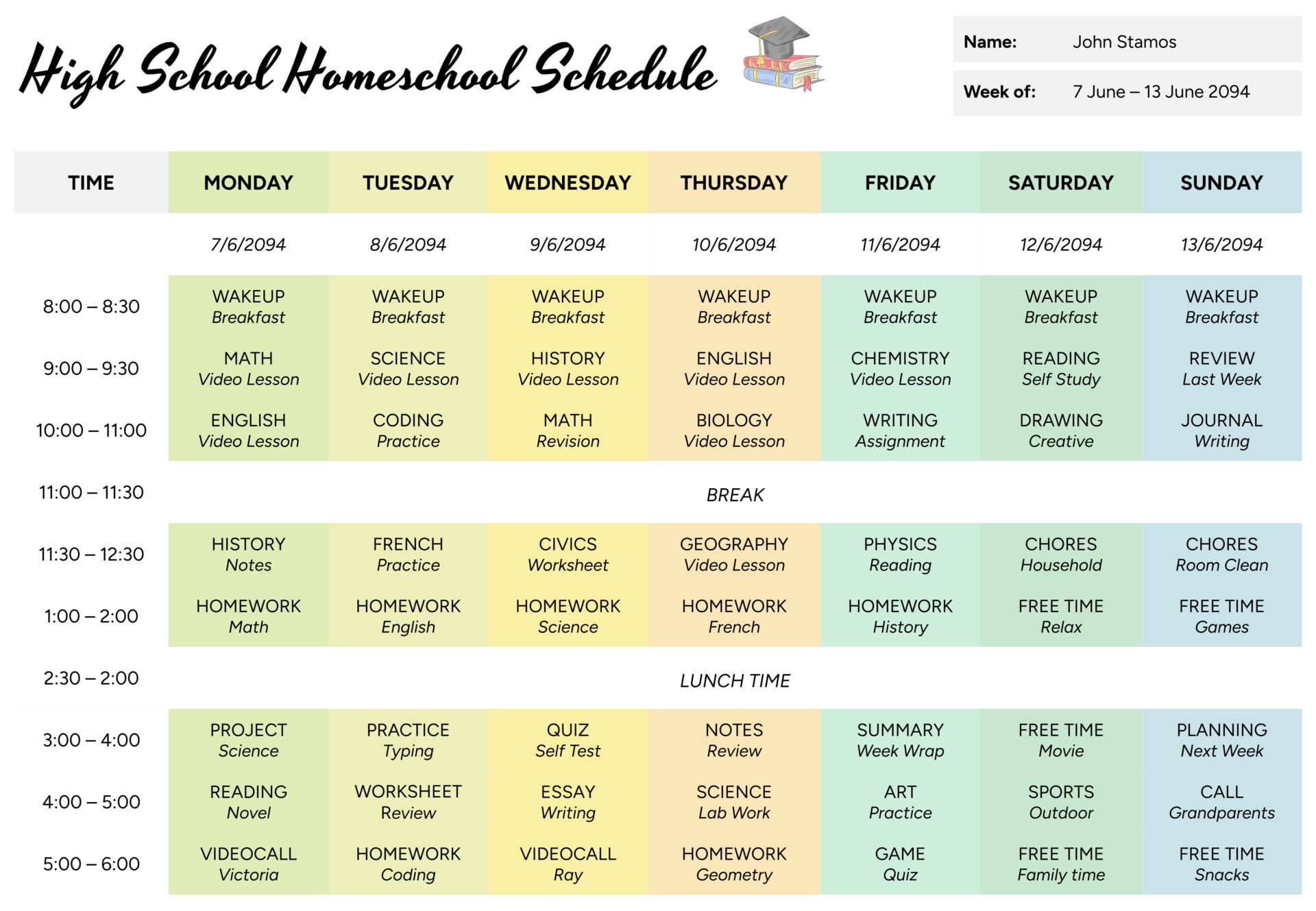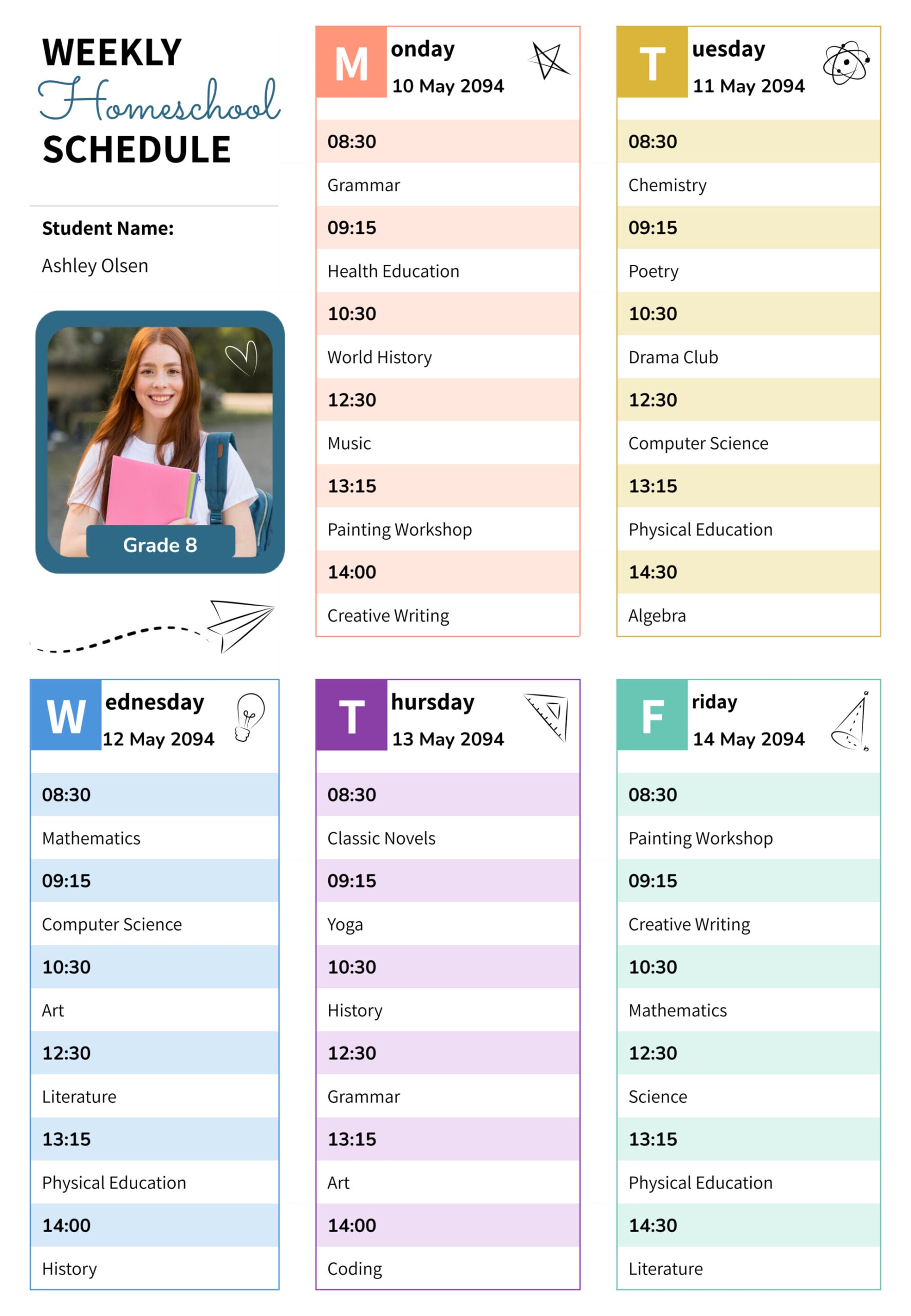



Preschool homeschooling often works best when the day has a predictable rhythm rather than a long list of lessons. A visual daily plan can set expectations, reduce back-and-forth during transitions, and balance early learning with play, movement, and rest.
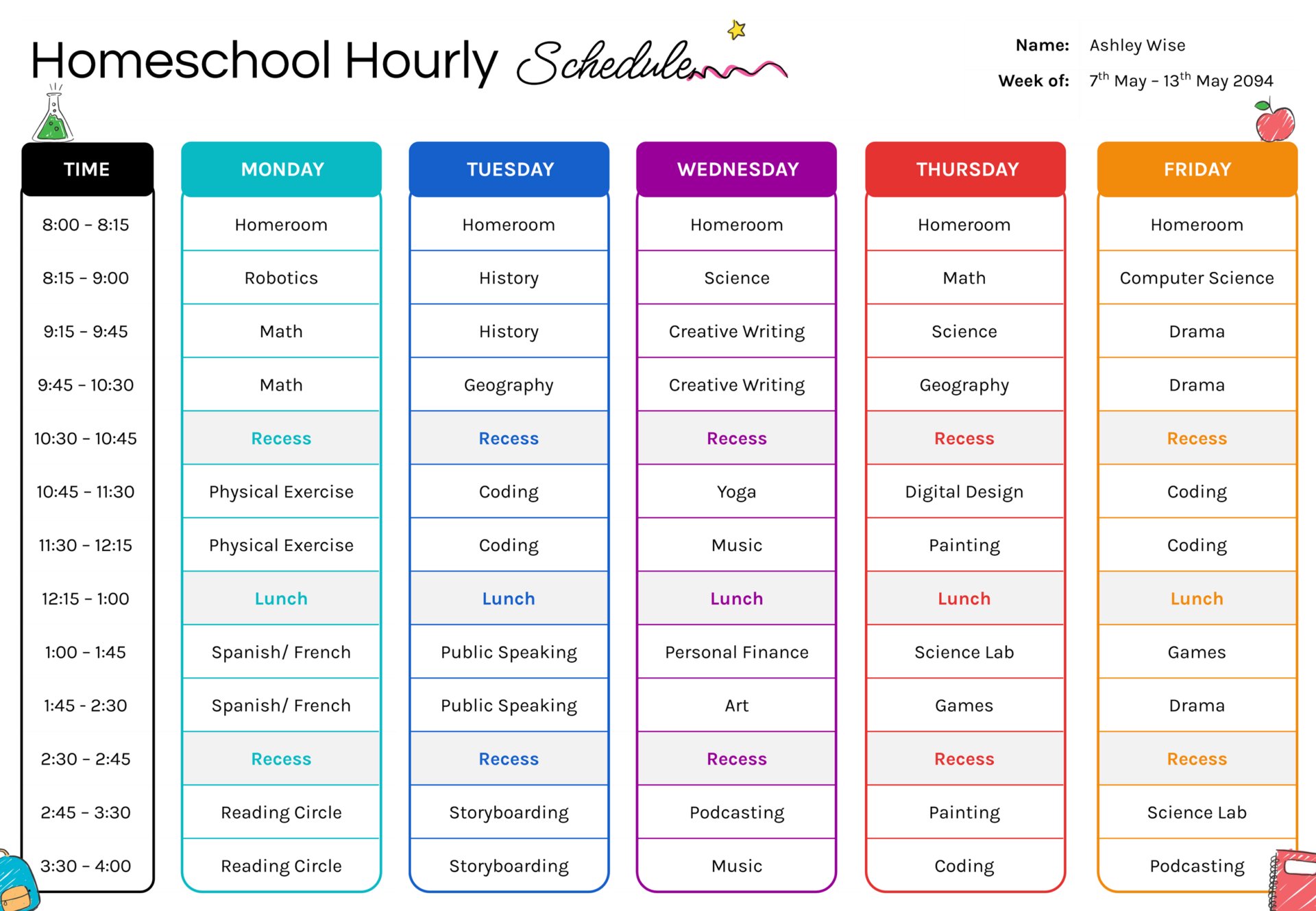
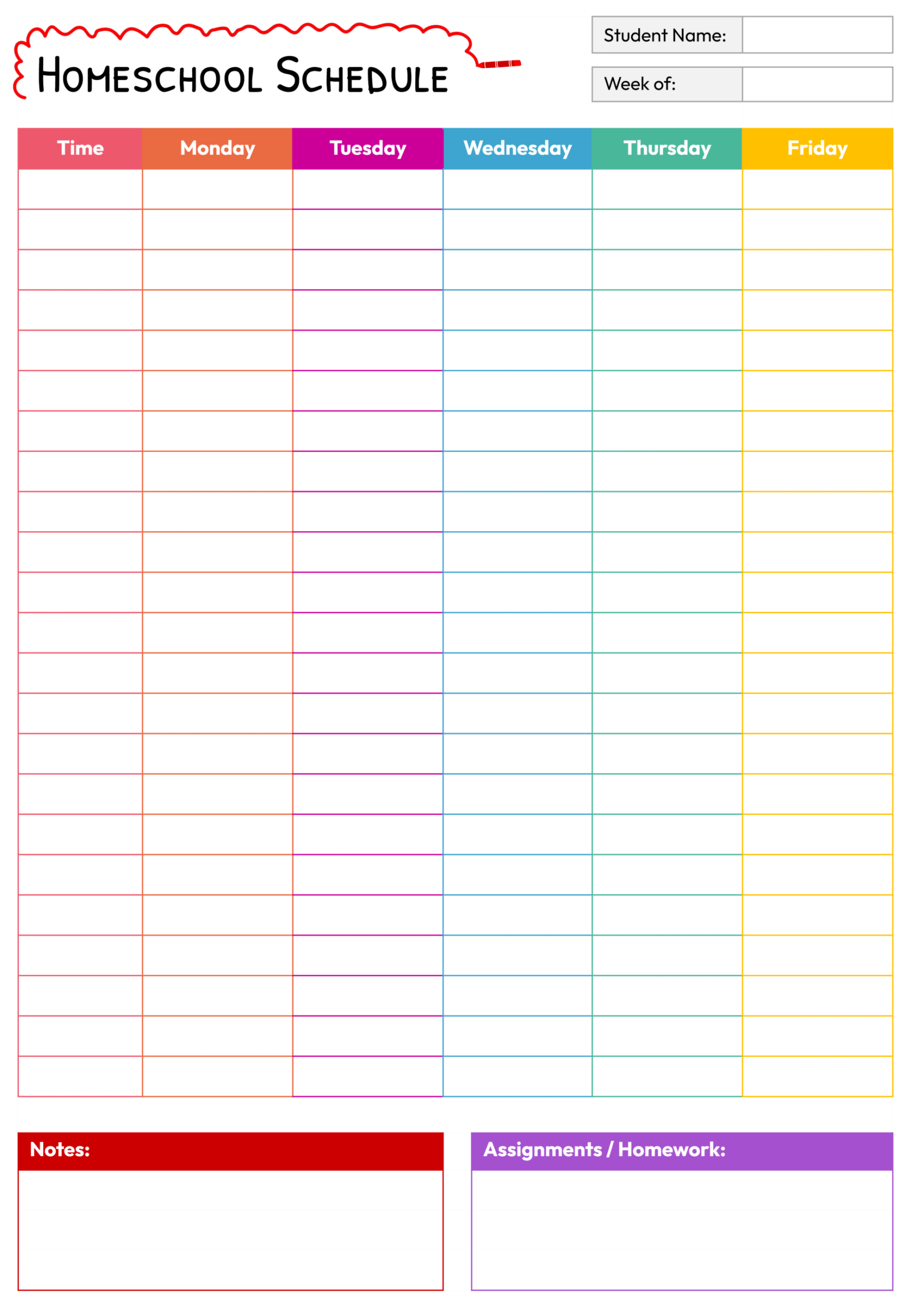
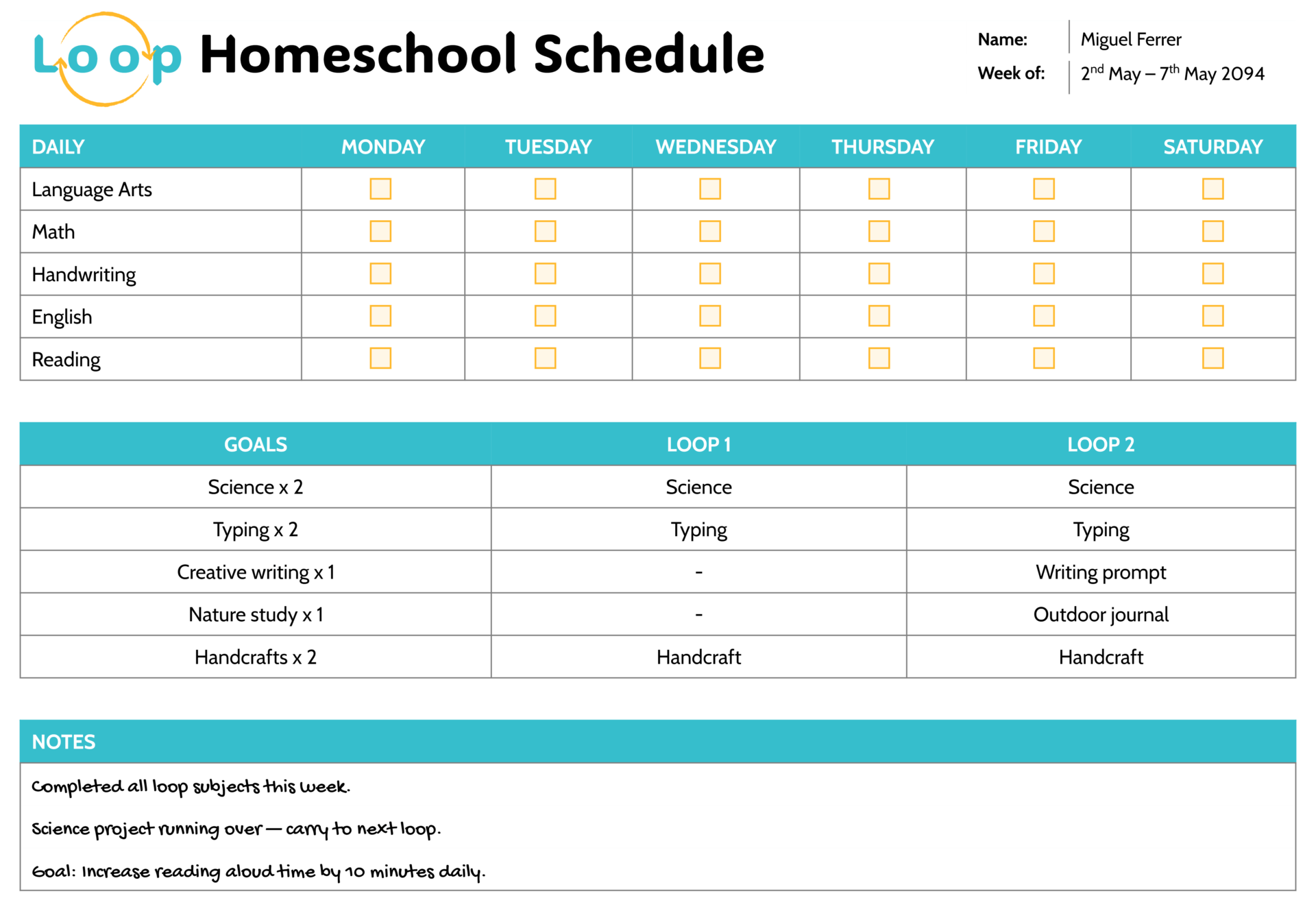
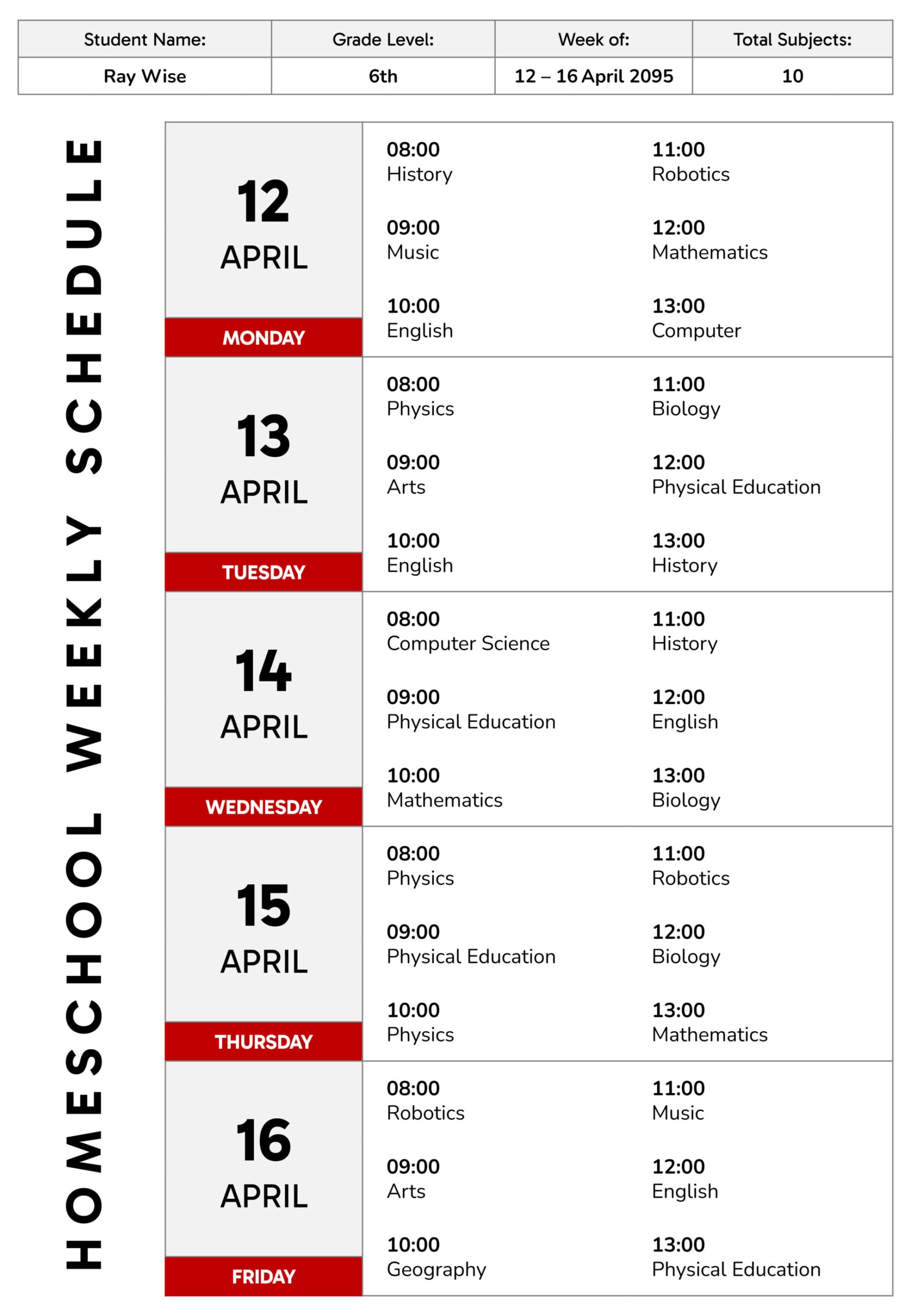
This Preschool Homeschool Schedule Template is designed as a simple daily routine poster you can edit and display. It uses color-coded activity blocks with a short description and a time length for each part of the day. The sample content includes common preschool blocks such as morning warm up, learning time, creative play, nature walk, snack and story break, outdoor free play, movement time, hands-on activities, quiet crafting, wind-down reading, and an evening routine.
What You Can Use It For
You can keep this schedule template as a ready-to-follow routine, or treat it as a starting point and swap blocks based on your child’s needs and your household timing.
- Home learning routine that mixes early skills practice with play-based activities
- Visual routine for your child you can print and place where they can see what comes next
- Caregiver handoff guide for a co-parent, grandparent, sitter, or homeschool co-op day
Editing The Activity Blocks
Begin by reviewing the flow of the day and deciding which blocks match your routine. Then replace each block title, update the short description, and adjust the minutes to match your child’s attention span. If you want a shorter day, remove a few blocks and keep the most important parts. If you want a longer day, add blocks for lunch, nap, quiet time, or screen time with limits.
When writing block descriptions, keep the wording short and action-based. For example, instead of writing a broad goal, write what you will actually do, such as practice letter sounds with a game, read a picture book, build with blocks, or do a short nature walk.
If your child struggles with transitions, add a brief transition block between high-energy and quiet activities, such as a bathroom break, water break, or quick tidy-up.
Adjusting It for Different Preschool Needs
Not every preschooler learns the same way, and your schedule template can reflect that. If your child has a shorter attention span, shorten learning time and repeat it later in the day. If your child enjoys sensory play, replace a block with a sensory bin or water play. If outside time is limited due to weather, swap nature walk and outdoor play for indoor movement games or a simple obstacle course.
If you are following state requirements or a preschool program, use the learning block description to note the focus area for the day, such as letters, numbers, fine motor practice, or social skills. This keeps the schedule template child-friendly while still meeting your planning needs.
Printing and Display Tips
This schedule template is intended to work as a clean visual on a wall, fridge, or learning corner. For printing, keep the text large and avoid long sentences. If you want it to be reusable, place it in a sleeve and mark changes with a dry-erase marker, or print a fresh copy when you update the routine.
FAQs
Start with your child’s current attention span, not the time you wish they could sit. Many preschoolers do better with short learning blocks and longer play blocks. Use the minutes as a guide, then adjust after a few days based on what feels smooth. If a block regularly turns into frustration, shorten it and reintroduce the skill later through play.
Use the same schedule template as the shared household routine, then keep a separate simple note for the older child’s independent work. During shared blocks like snack, outdoor time, story time, and crafts, everyone follows the same flow. During learning time, write a broad label in the schedule template and keep the child-specific task in your notes.
Leave breathing room on purpose. Keep longer play blocks, include movement time, and avoid scheduling every minute. If you want the day to feel lighter, use the schedule template as a sequence of activity types rather than exact timing, and treat the minutes as estimates.