
Weekly Schedule Templates
A week is just long enough to lose track of and just short enough to plan in full, which is why most plans really run on it. Weekly schedule templates lay the seven days out together, so a packed Tuesday and a free Friday are both staring back at you before you agree to anything new. Some of these divide the week by day, some by the hour, some by task, so you can match the shape to the way you already think about your week.
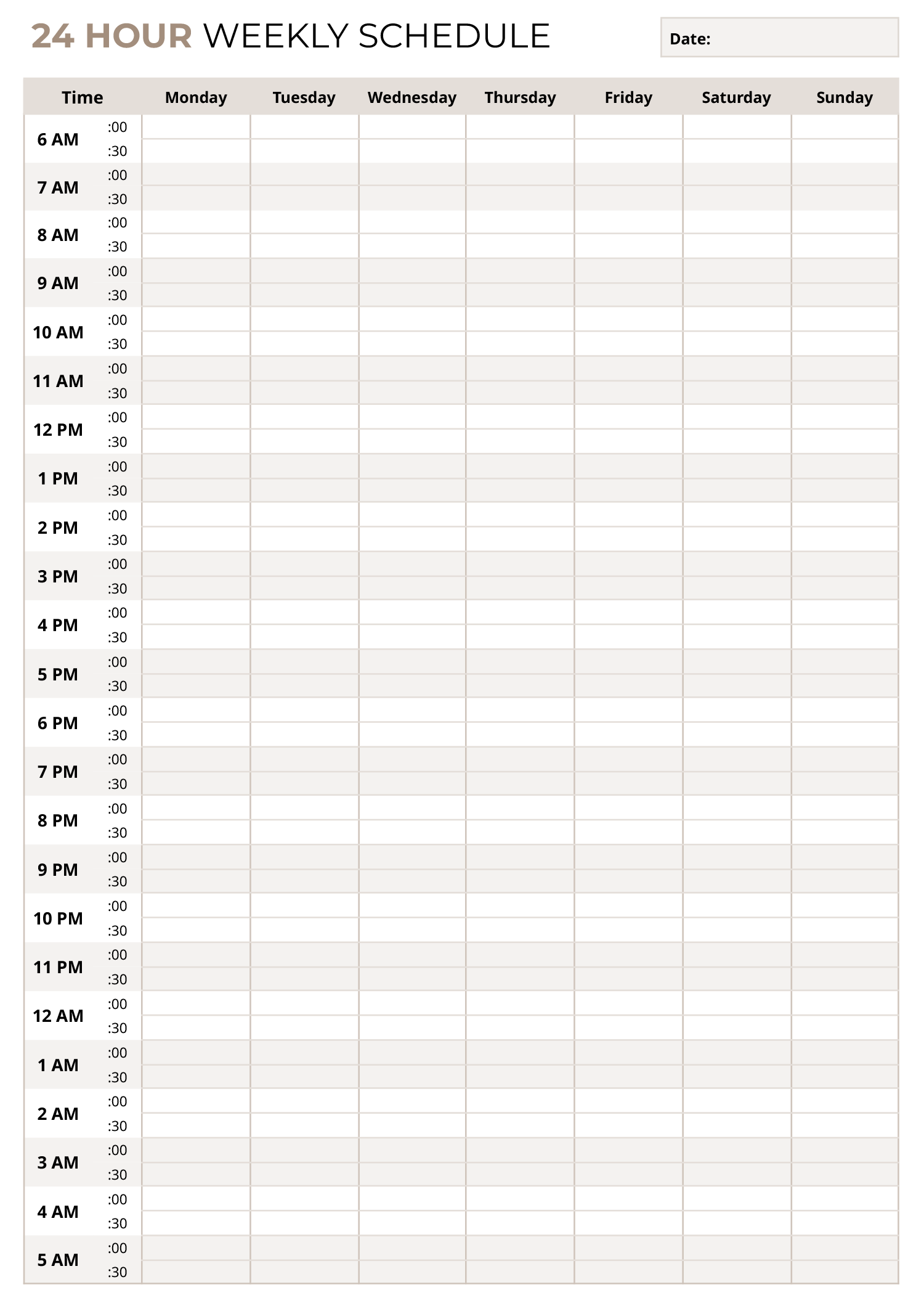





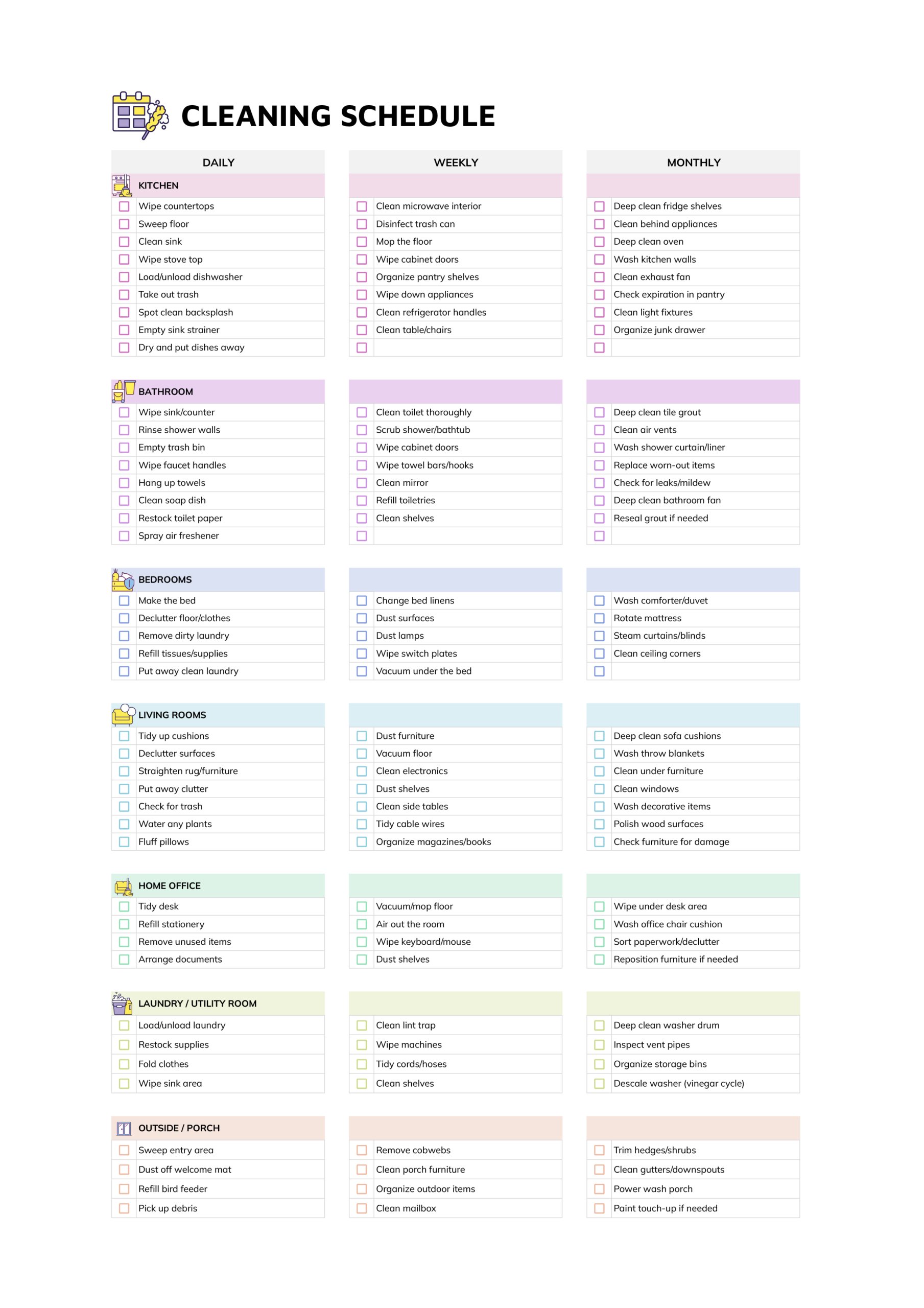
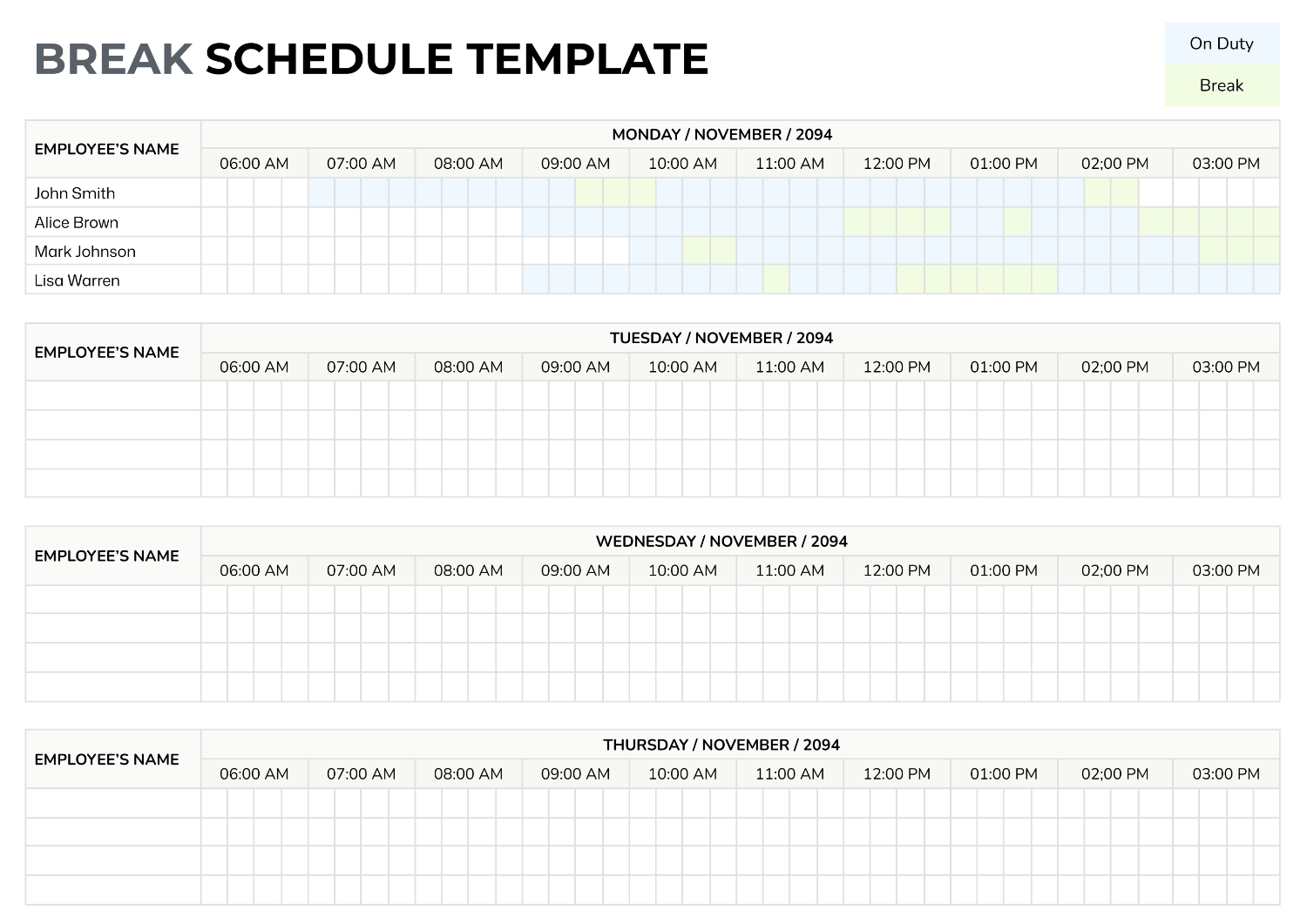


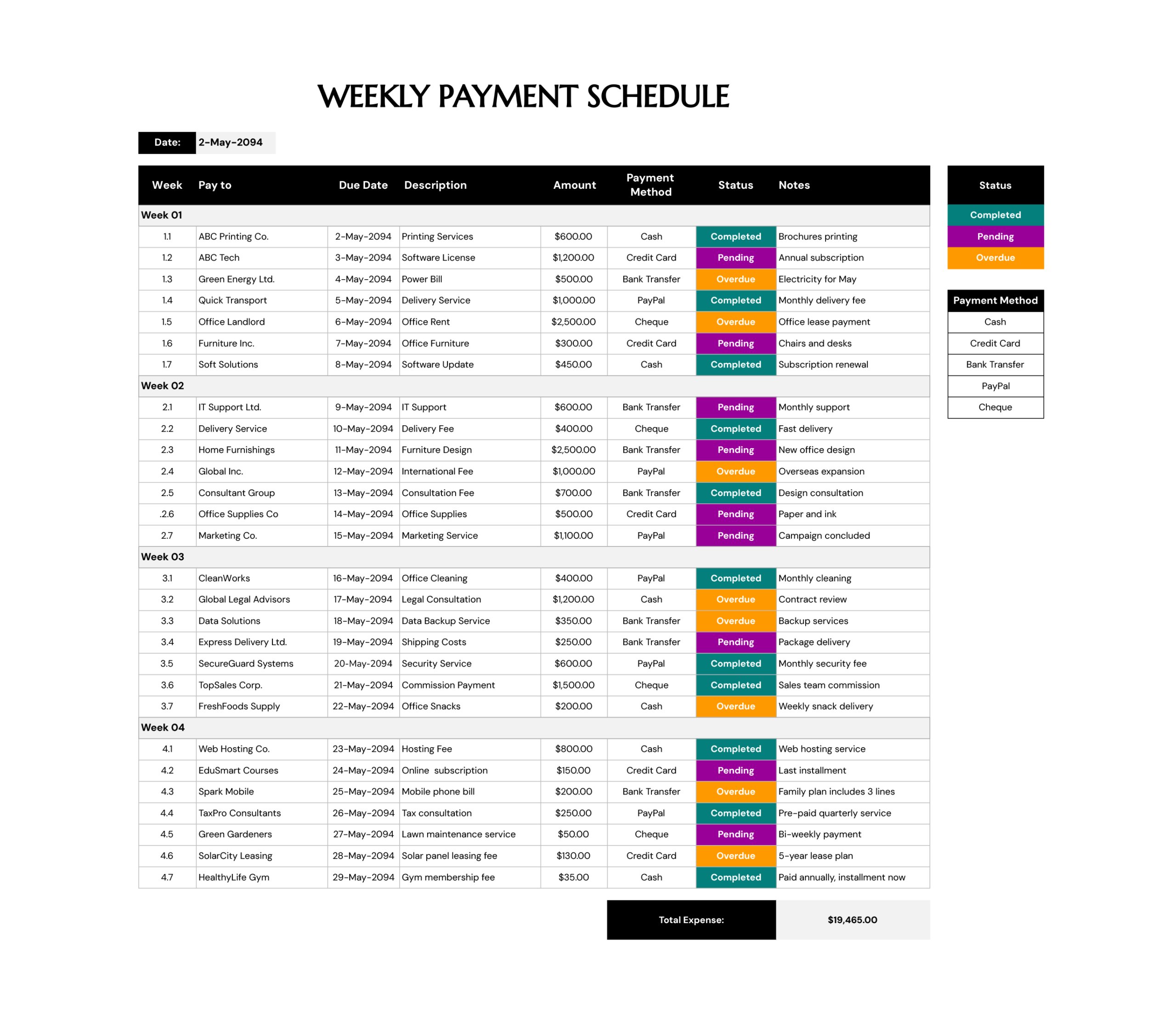


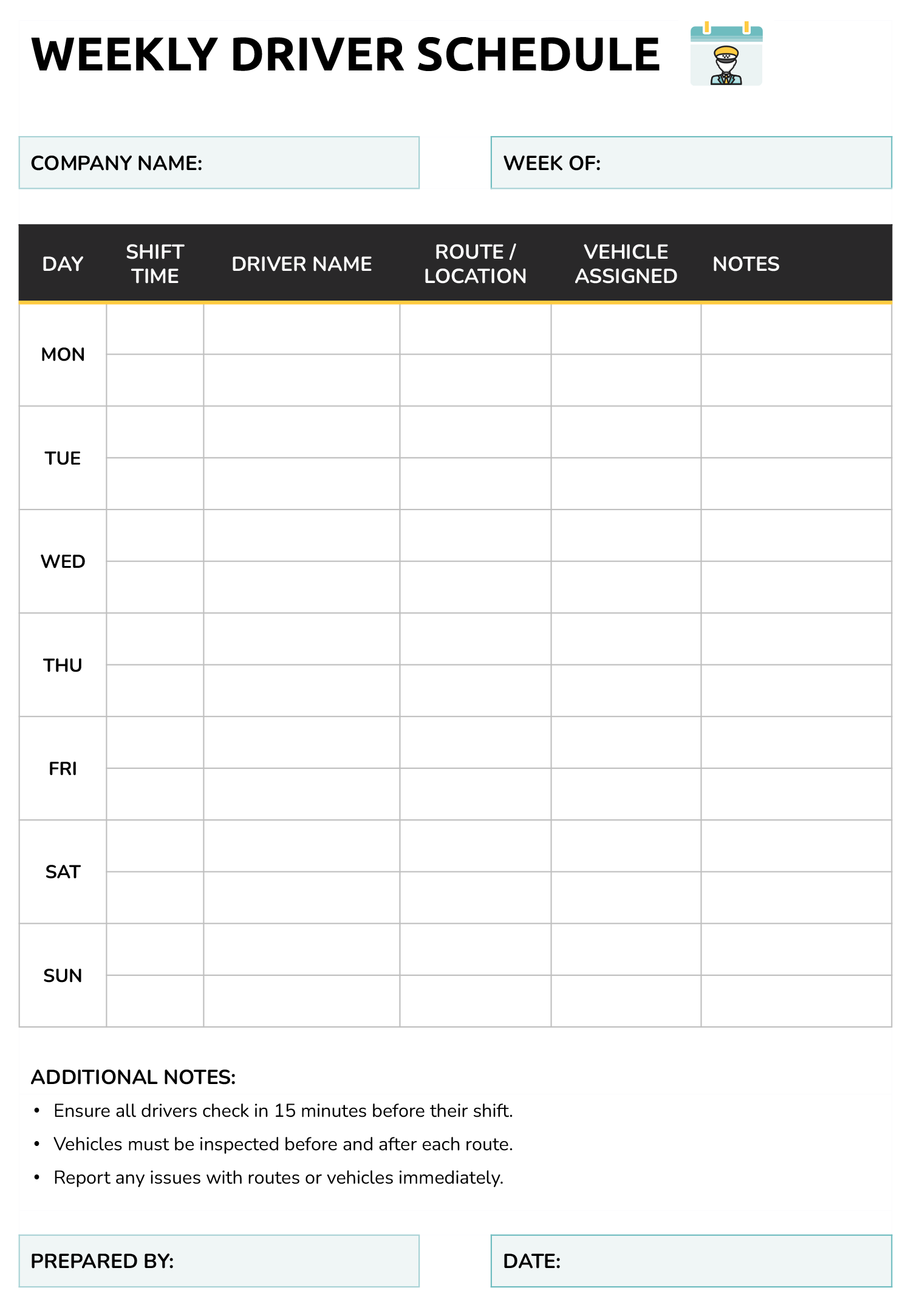




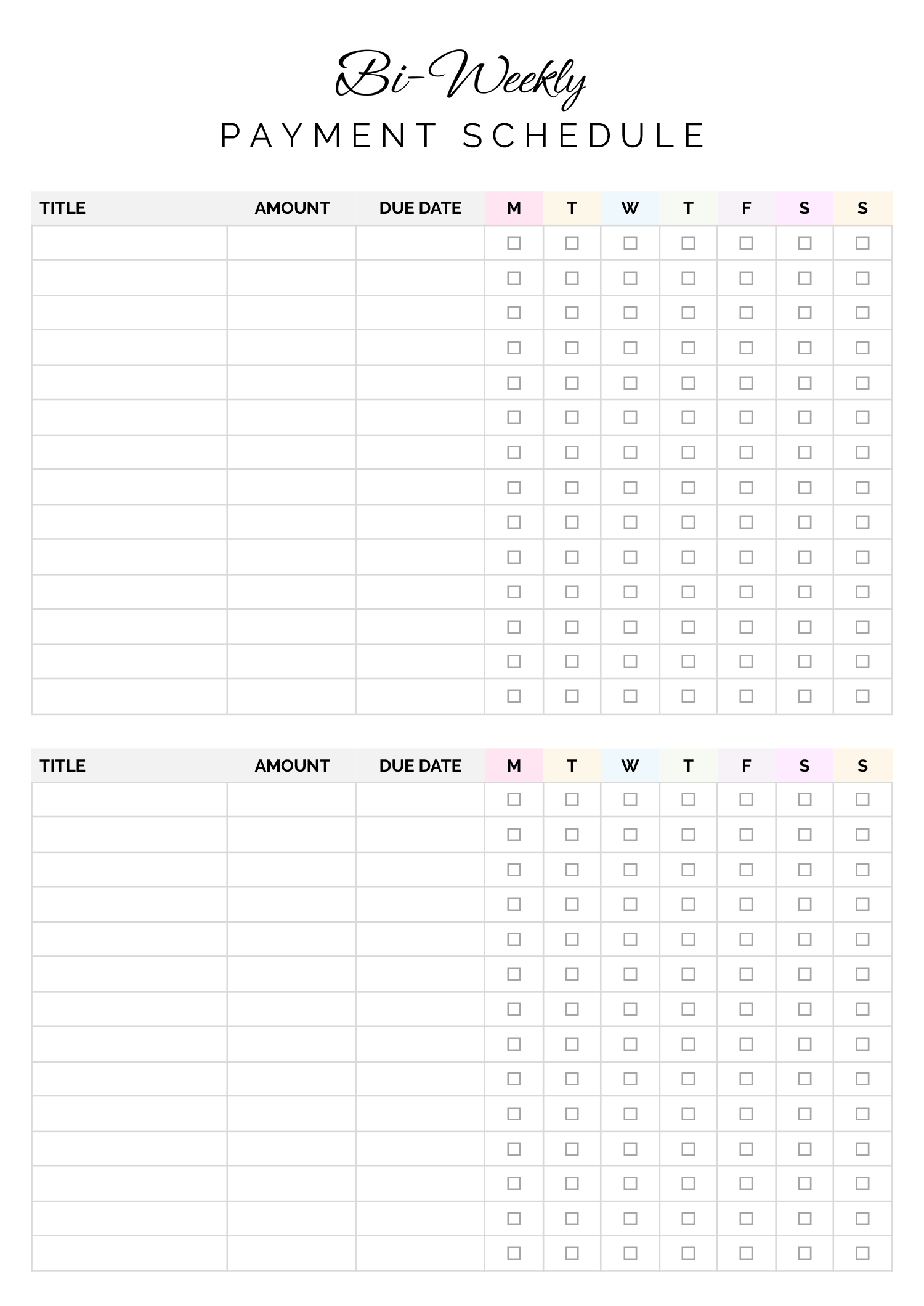


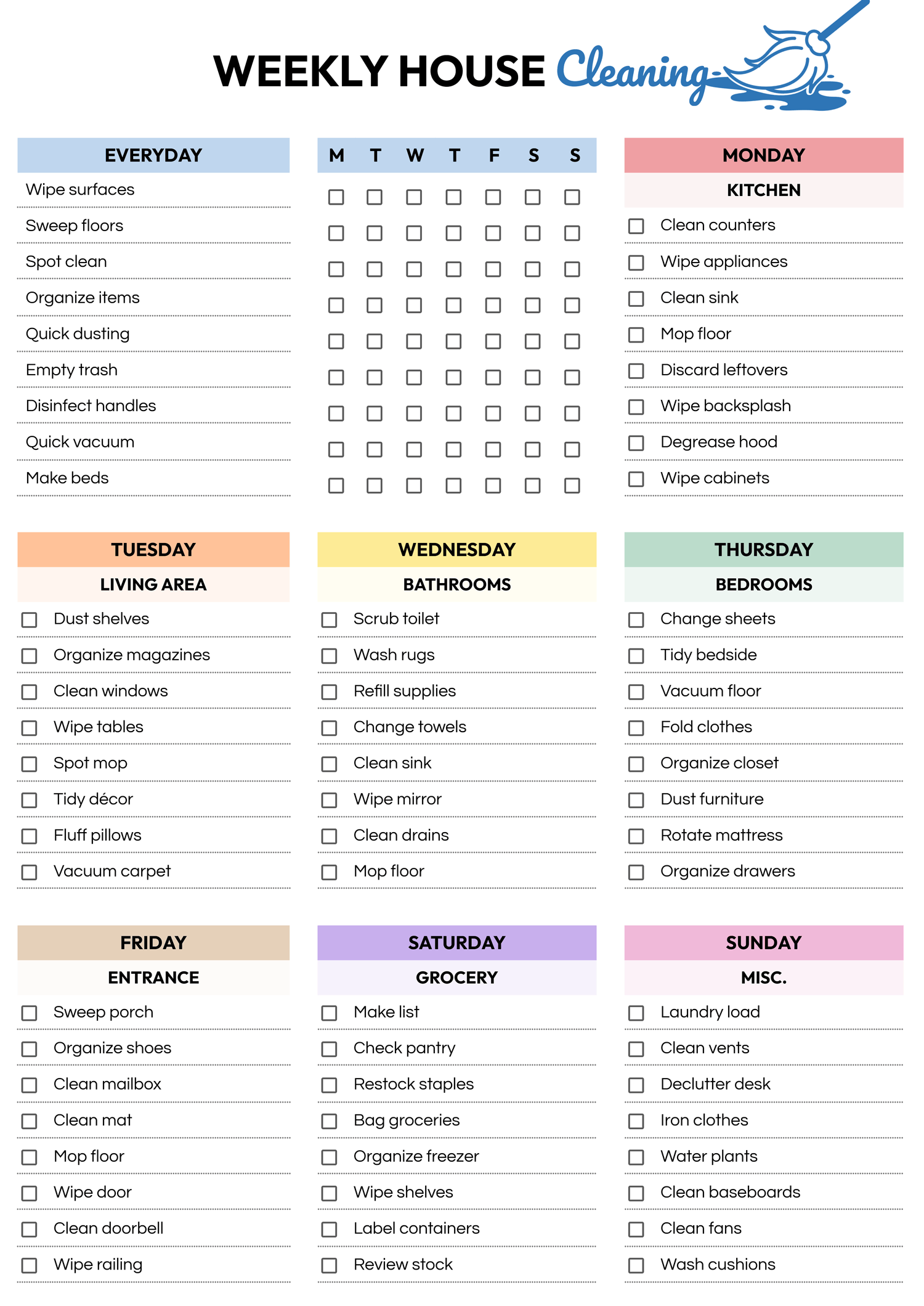


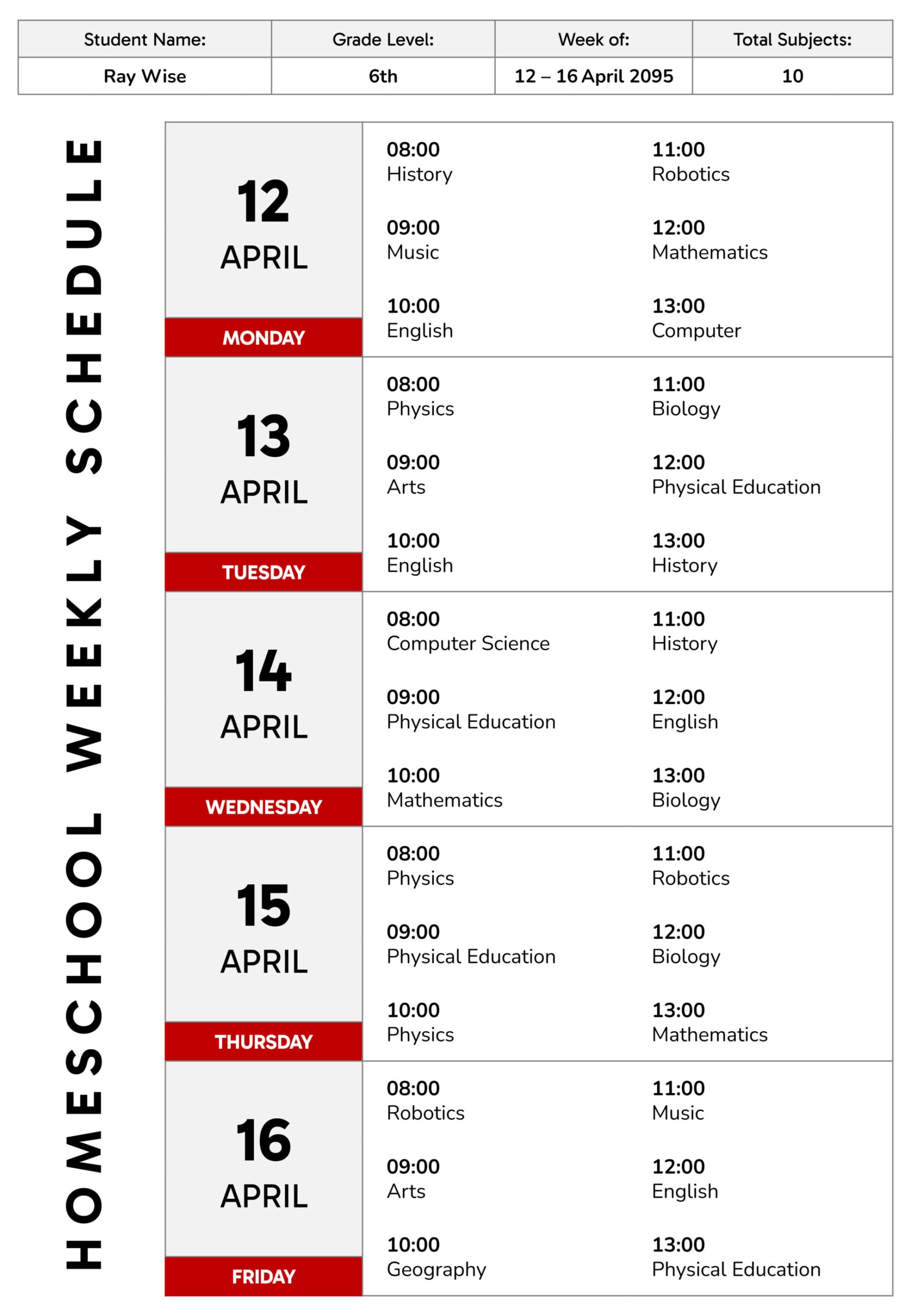
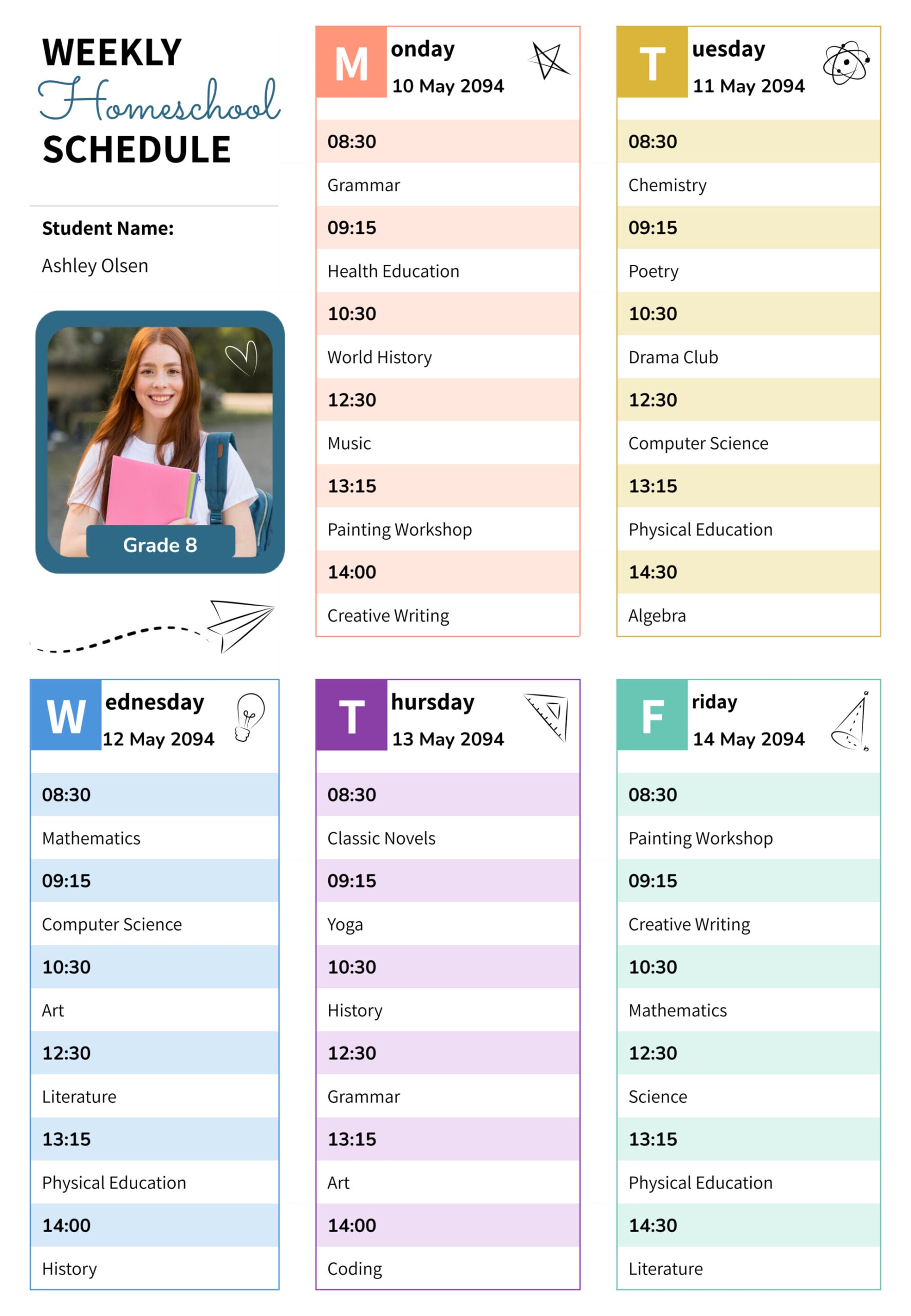


These weekly schedule templates lay all seven days side by side, so a packed Tuesday and a free Friday are both visible before you take anything new on. Commitments sit side by side where the overlaps and the open afternoons are plain to see, which a day-by-day plan hides and a monthly one is too coarse to show.
What a week has to hold differs from one person to the next, so the collection covers the seven days at different levels of detail, from hour-by-hour grids for a tightly booked week to plain day lists for one measured in tasks. You set where the week starts, a Monday for work or a Sunday for the household, drop in the fixed points like classes and shifts first, then fit the flexible items into the gaps they leave. The template keeps the week’s frame; you place the commitments in it.
Ways these templates set out a week
The collection covers the week at different levels of detail.
The seven days set side by side, the backbone every weekly design shares, so the whole span reads left to right across the page.
Time-of-day rows down the side, for a week that needs appointments and classes placed at a set time rather than just listed under a day.
A simpler to-do format for a week measured by what gets done, with room to check items off as the week goes.
A bar that sets a task across the days it covers, for a week where work overlaps rather than fitting neat daily slots.
Labelled sections that group the week by area, like work, study, and fitness, so each part of life keeps its own space.
A choice of where the week begins, Monday for a work week or Sunday for a household one, so the columns match how you count your days.
Filling in your week
From an empty week to one you can pin up and follow.
Match the breakdown to how booked your week is. A week of timed commitments wants hour rows down the side; a week of tasks reads better as a day-by-day list.
Fill in the dates and decide where the week begins, Monday or Sunday, so the columns line up with how you actually count your days.
Drop in the things that cannot move, classes, shifts, standing meetings, before anything flexible. Placing the anchors first shows you the real gaps left for everything else.
Tip — Give a recurring weekly item the same slot every week, so the week becomes familiar at a glance instead of needing a fresh read each time.
Fill the open slots with the tasks and errands that can flex, fitting them to the gaps the fixed points left rather than the other way around.
FAQs
Should the week start on Monday or Sunday?
It depends on what the week is for. Work and study weeks usually read better starting Monday, so the weekend falls together at the end; household and personal weeks often start Sunday. The collection includes both, so you can match the week to how you count it.
How do I handle a week of timed appointments?
Set hour rows down the side, so a class at ten and a meeting at two land in the right place rather than floating under the day. A plain day list works better when the week is about what to do, not exactly when.
Can I plan different parts of my life in one week?
Yes. The layouts with labelled focus areas let work, study, and personal items share a single week while keeping each in its own band, so you see how a busy work stretch leaves less room for training or errands.